Ukraine says its forces used seven unmanned sea drones to sink the Russian corvette Merkury at Benghazi on November 22. A second Russian vessel was also hit, raising concerns about the war's growing reach into the Mediterranean.
Ukraine has confirmed that it sank a Russian Navy corvette in Libya. The vessel, named Merkury, was struck while docked at the Benghazi naval base in eastern Libya on Sunday, November 22.
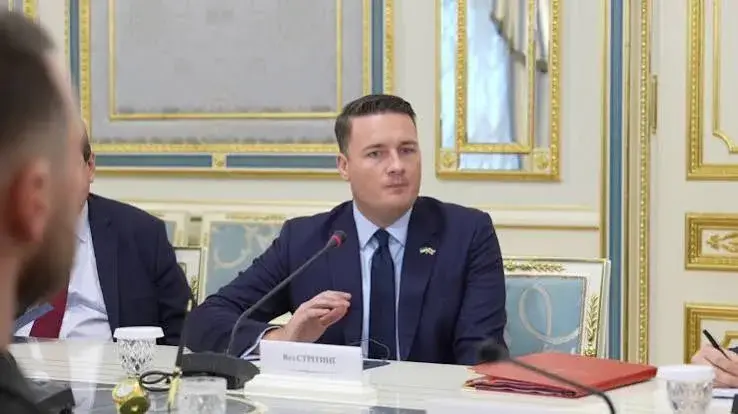
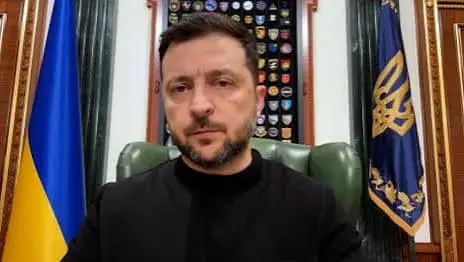
Ukrainian President Volodymyr Zelenskyy announced the operation on Monday. He said Ukrainian forces deployed seven domestically made naval drones.
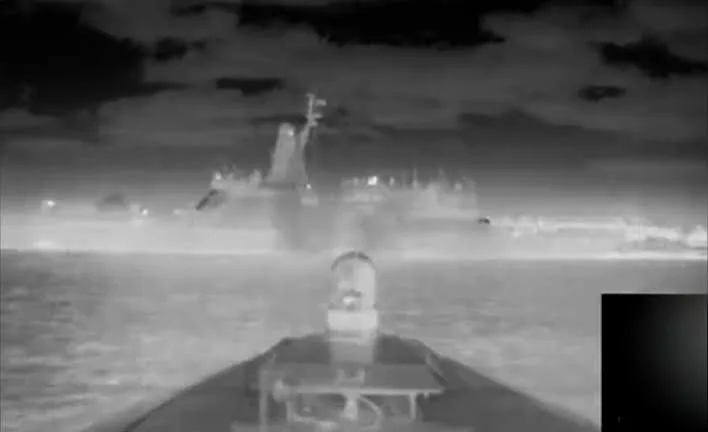
The Security Service of Ukraine (SBU) said the operation was coordinated with Ukraine's defence forces. It described the drones as unmanned boats transported to the area aboard a larger vessel, known as a "mother ship", before being launched.
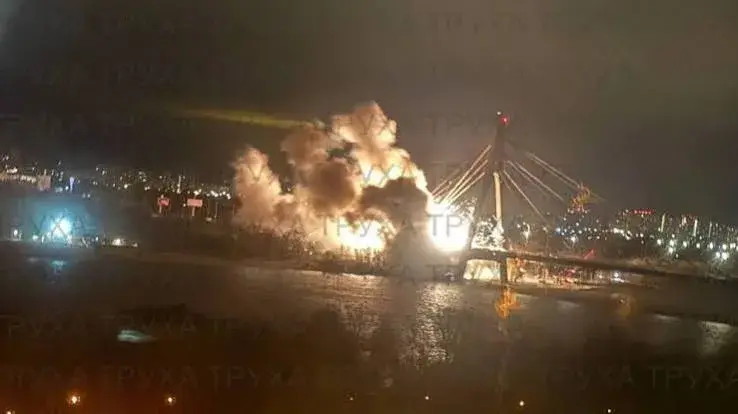
Satellite images showed the Merkury largely capsized, with only part of its bow visible above water. Reuters also verified Ukrainian video footage showing explosions, fire and smoke around the targeted vessels.
The Merkury was commissioned in 2023. Its loss is significant because it was among Russia's newer naval vessels.
Another Russian vessel was struck
The operation also targeted the Russian dry cargo ship MV Angara. Zelenskyy said Russia had used the vessel to transport weapons.
Ukraine released footage that it said showed a sea drone striking the cargo ship. Reuters verified the footage showing fire and smoke around the vessels.
According to Zelenskyy, a Russian Ka-27 military helicopter was also destroyed alongside the corvette. These claims were announced by the Ukrainian president; Russia had not publicly confirmed the reported losses in the initial coverage.
The eastern Libyan authorities said the Merkury had stopped in Benghazi for refuelling and supplies. It was reportedly operating under a cooperation agreement with the eastern administration.
The Associated Press reported that the corvette had been escorting the Angara. It also cited Libyan officials who said at least 10 people, including Libyan and Russian nationals, were wounded.
Libya's divided politics complicate the operation
The attack has drawn attention to Libya's role in the wider Russia-Ukraine confrontation.
Libya remains divided between rival administrations. The internationally recognised Government of National Unity operates from Tripoli in the west.
In the east, an administration led by Prime Minister Osama Hamad is allied with military commander Khalifa Haftar. Haftar's forces maintain close relations with Moscow, which has supplied arms and built influence in the region.
Following the strike, Hamad said his government had asked the United Nations to investigate suspicions that the drones were launched from western Libya. He also called for an investigation into the reported presence of Ukrainian military experts.
The Tripoli-based government separately condemned military operations on Libyan territory. Its Foreign Ministry said neither Russia nor Ukraine had the right to conduct military operations in Libya or its territorial waters.
The statement added that foreign forces would not be permitted to use Libyan ports or infrastructure for military purposes.
Questions remain over the launch and possible retaliation
Ukraine has acknowledged responsibility for the operation, but important details remain unclear.
The SBU said the drones were launched from a mother ship. It did not publicly identify the vessel or explain the precise route used to bring the drones into the Mediterranean.
Eastern Libyan officials cited by Reuters said investigators suspected the drones had been launched from western Libya. That account has not been independently established as the precise launch location.
There are also differing reports about casualties. The Associated Press cited an eastern Libyan official who said at least 10 people were wounded. Other early accounts did not report casualties, making the final toll unclear.
The Russian Defence Ministry had not immediately commented on the sinking in Reuters' report. Libya's eastern administration said it had opened a joint investigation with Russia into the attack.
The operation marks a major geographical expansion of Ukraine's campaign against Russian maritime assets. It also raises concerns that Libya could become more deeply entangled in the conflict.
For now, the immediate questions concern Russia's response, the investigation in eastern Libya and whether further attacks will follow.