
Tunde Onakoya Unveils Lagos International Chess Festival to Attract Global Players
The Nigerian chess advocate plans to bring international competition, art, fashion and Lagos culture together in a new festival scheduled for October 2027.
Nigerian chess advocate Tunde Onakoya has unveiled plans for the Lagos International Chess Festival, an ambitious initiative aimed at bringing players, grandmasters, celebrities and chess enthusiasts from across the world to Lagos for a sporting and cultural gathering in October 2027.
Onakoya announced the festival on Saturday, October 10, during his birthday celebration at the Mikano Motors showroom in Lagos. Rather than focus exclusively on traditional chess tournaments, the proposed event will combine competitive play with creative exhibitions and experiences designed to reflect the character of Nigeria’s commercial capital.
The proposed programme includes a chess and art exhibition, a large-scale tournament for children, matches featuring grandmasters and a celebrity chess competition. Organisers also plan to incorporate fashion and entertainment, while one of the more unusual ideas under consideration is a chess match on a boat, drawing inspiration from Lagos’s waterways and lagoon setting.
The intention is to make chess accessible to people who might never attend a conventional tournament while creating a platform where African players can meet international competitors. If successfully delivered, the festival could give emerging Nigerian talent greater visibility and introduce new audiences to a game often associated with specialist clubs and formal competitions.
Speaking at the unveiling, Onakoya described the announcement as the beginning of a larger idea and acknowledged the uncertainty that comes with launching a new project. He also explained the personal significance of the game, saying chess had helped him find his place in the world and that he wanted to share its potential to bring people together.
The festival’s visual identity reflects that ambition. Its logo combines the Eyo masquerade, a prominent symbol of Lagos heritage, with the rook, one of the principal pieces on a chessboard. The design is intended to connect the international language of chess with the city’s own cultural identity rather than present the event as a tournament detached from its host community.
Onakoya brings an established record of chess advocacy to the project. He founded Chess in Slums Africa, a non-profit initiative that uses the game to create educational opportunities for children in underserved communities. His international profile grew significantly through his endurance chess performances in New York. In April 2025, he and American chess player Shawn Martinez completed a 64-hour chess marathon that was recognised by Guinness World Records.
Representatives of organizations including Mikano, Landmark Africa Group, Lufthansa, Hennessy, The Plug Global Agency and Chess in Slums Africa attended the festival unveiling, indicating interest from business, entertainment and community partners. However, the announcement is still at an early stage: a precise date, a full programme, confirmed international player line-ups and ticketing details have yet to be established in the reports reviewed.
The wider challenge will be turning the vision into a sustainable event that attracts international participation while delivering meaningful opportunities for local players and young people. Lagos already has a strong cultural identity and a large, youthful population, but a successful global festival will require careful organization, partnerships, funding and a programme that offers more than spectacle.
If the plans come together, the Lagos International Chess Festival could help position the city as a destination for international chess and cultural exchange, while extending Onakoya’s work beyond the board. Its significance will ultimately depend not just on the number of visitors it attracts, but on whether it creates lasting connections, expands access to chess and opens more doors for African talent.
More on Sports
Sports
Ugo Ugochukwu Becomes First Nigerian-American FIA Formula 3 Champion
15 Sept 2026
Sports
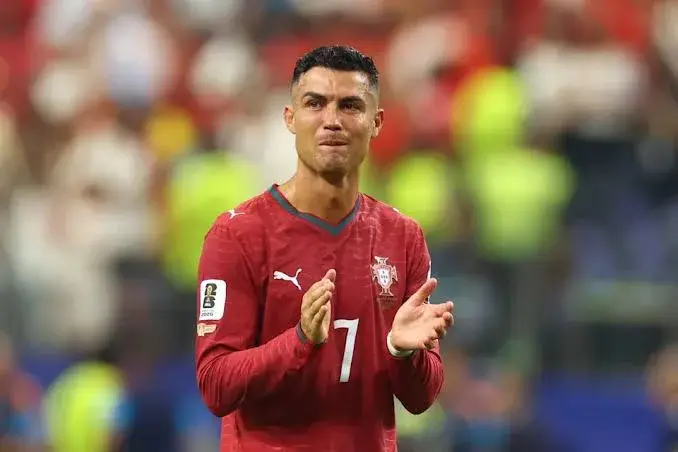
Portugal Football Federation Backs Cristiano Ronaldo to Continue International Career
5 Oct 2026
Sports
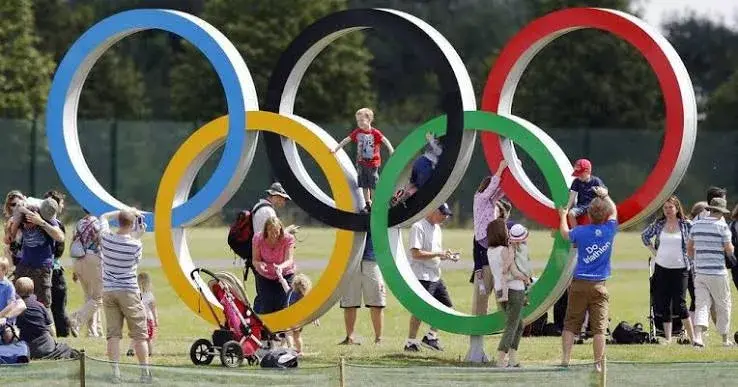
Dakar 2026: Africa Prepares to Host Its First Olympic Games
18 Sept 2026
Sports
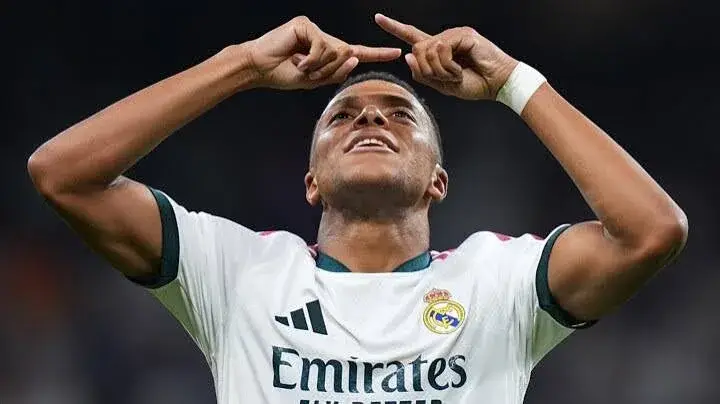
Mbappé Scores Brace as Real Madrid Thrashes Royal Volcano 4–1
14 Sept 2026
Sports
Eliud Kipchoge Wins Melbourne Marathon With Course Record at 41
12 Oct 2026
You may also like
Sports
Portugal Federation Suspends Cristiano Ronaldo Over National Team Camp Walkout
11 Oct 2026
Sports
Joshua-Fury Fight Tickets Sell Out in One Hour as 500,000 Fans Queue Online
10 Oct 2026
Sports
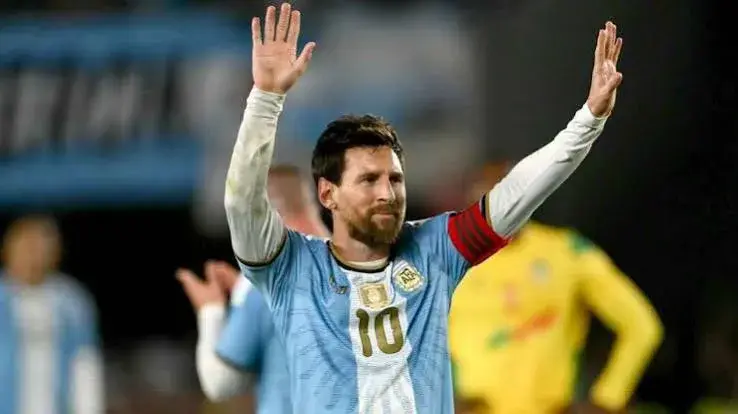
Lionel Messi’s Last Tango: Argentina Icon Scores and Assists Twice in Emotional Farewell
7 Oct 2026
Sports
Shakira’s Madrid Show Becomes Amazon Music’s Most-Watched Female Artist Livestream
6 Oct 2026
Sports
Morocco’s Football Chief Joins PAM Party as PM Speculation Grows
24 Sept 2026
Sports
Manchester United Co-Owner Jim Ratcliffe Criticises UK Economic Direction
21 Sept 2026