Manchester United Co-Owner Jim Ratcliffe Criticises UK Economic Direction
Ratcliffe says Britain is becoming less competitive for business, citing taxation, energy policy and immigration as key concerns.
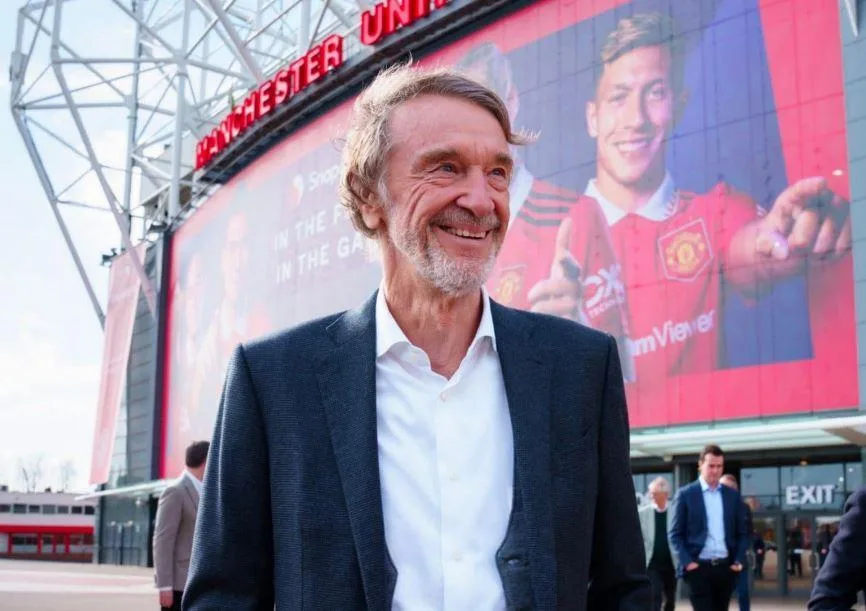
Manchester United co-owner Sir Jim Ratcliffe has said he has lost confidence in the United Kingdom, blaming high taxes, burdensome regulation and immigration policy for what he described as a decline in the country’s attractiveness for investment and business growth.
Speaking to the BBC, Ratcliffe also criticized the government’s energy strategy, arguing that failing to invest further in North Sea oil and gas amounted to “insanity.” He warned that Britain could “run out of gas” if the country experienced a severe cold spell this winter, saying the UK’s limited gas storage capacity had left it dangerously exposed to potential supply shortages.
Ratcliffe said rising tax burdens and policy uncertainty have made it increasingly difficult for companies to invest, expand and create long-term value. The billionaire industrialist argued that Britain risks losing its competitive edge unless policymakers create a more business-friendly environment that encourages industrial investment and productivity.
His comments also touched on immigration, with the INEOS founder arguing that the country needs policies that better support economic productivity and the availability of skilled labour. He maintained that Britain should remain competitive in attracting talent while ensuring its immigration system serves the broader interests of economic growth.
Although widely known to football fans through his stake in Manchester United, Ratcliffe is one of Britain’s most influential industrial entrepreneurs. His chemicals giant, INEOS, operates across manufacturing, energy and engineering, giving his views considerable weight in debates over industrial policy and the UK economy.
His intervention comes as Britain continues grappling with sluggish economic growth, pressure on public finances and ongoing debates over taxation, energy security and immigration. Business leaders have increasingly called for reforms they say would encourage investment, improve productivity and strengthen the country’s global competitiveness.
Ratcliffe’s remarks are likely to resonate beyond the business community, arriving at a time when economic competitiveness has become a central issue in British politics. Supporters of lower taxes argue that reducing the burden on businesses would stimulate investment and job creation, while others contend that maintaining public services requires sustainable tax revenues and careful fiscal management.
His criticism of North Sea policy also adds to an increasingly contentious debate over how the UK should balance climate ambitions with energy security. While environmental groups advocate accelerating the transition to renewable energy, industry leaders have warned that declining domestic oil and gas production could increase reliance on imported energy before alternative infrastructure is fully established.
As the UK weighs its economic future, Ratcliffe’s intervention highlights the growing tension between fiscal policy, investment and competitiveness. Whether policymakers respond with tax reform, regulatory changes or new approaches to energy and skilled migration, the issues he raised are likely to remain central to Britain’s economic agenda in the years ahead.
More on Sports

Sports
NHL Star Alexander Ovechkin Appears in Pro-Putin Campaign Ad for United Russia
16 Sept 2026
Sports
Ugo Ugochukwu Becomes First Nigerian-American FIA Formula 3 Champion
15 Sept 2026

Sports
Messi Set to Become New Owner of Spain’s CD Eldense
9 Sept 2026
Sports
Portugal Federation Suspends Cristiano Ronaldo Over National Team Camp Walkout
11 Oct 2026
Sports
Joshua-Fury Fight Tickets Sell Out in One Hour as 500,000 Fans Queue Online
10 Oct 2026
You may also like
Sports
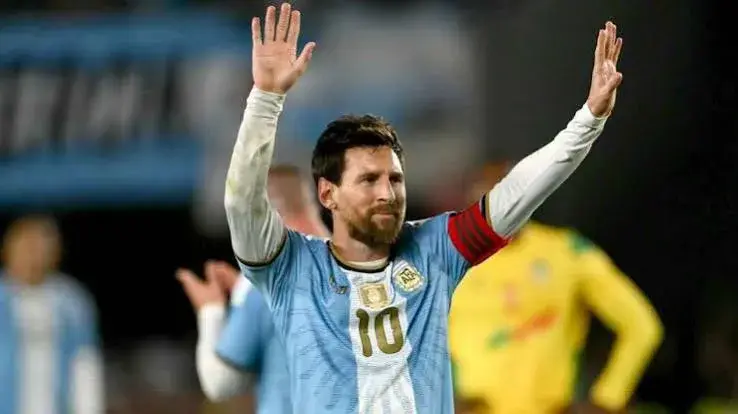
Lionel Messi’s Last Tango: Argentina Icon Scores and Assists Twice in Emotional Farewell
7 Oct 2026

Sports
Shakira’s Madrid Show Becomes Amazon Music’s Most-Watched Female Artist Livestream
6 Oct 2026
Sports
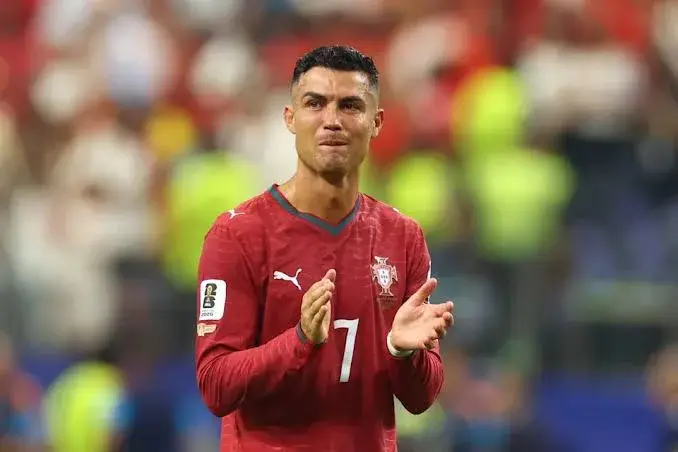
Portugal Football Federation Backs Cristiano Ronaldo to Continue International Career
5 Oct 2026
Sports
Morocco’s Football Chief Joins PAM Party as PM Speculation Grows
24 Sept 2026

Sports
Cardiff Hotels Sell Out as Anthony Joshua vs Tyson Fury Fight Edges Close
19 Sept 2026

Sports
Kylian Mbappé Joins On as Swiss Brand Enters Football Boot Market
18 Sept 2026