
Messi Set to Become New Owner of Spain’s CD Eldense
Lionel Messi has reached an agreement in principle to acquire Spanish second-division club CD Eldense, expanding his growing football ownership portfolio while continuing his playing career with Inter Miami.
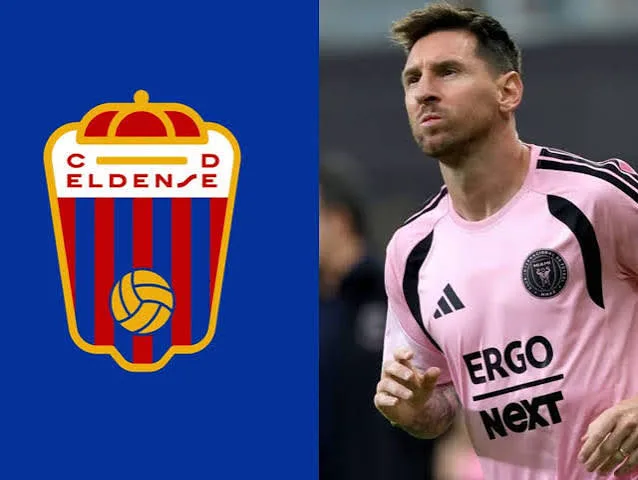
Lionel Messi is set to become the new owner of Spanish football club CD Eldense after reaching an agreement in principle to acquire 100 percent of the club’s shares, marking one of the most significant business moves of his career beyond the pitch.
The proposed takeover will see the 39-year-old Argentine purchase the entire stake held by Colombian investment group TH Soluciones Group S.A.S., the current majority shareholder of the Segunda División side. The transaction is expected to be completed in the coming days, subject to legal formalities and approval by Spain’s Higher Sports Council.
For Messi, the deal represents a deliberate expansion into football ownership rather than a retirement announcement. The Inter Miami forward is expected to continue his playing career while building a portfolio of clubs focused on long-term sporting development, following his earlier acquisition of Spanish lower-division side UE Cornellà.
Founded in 1921, CD Eldense is one of the oldest clubs in Spain’s Valencian Community and has enjoyed a remarkable resurgence after decades outside professional football. The club returned to the Spanish second tier in recent years and has since become an ambitious project under Colombian ownership, although it currently finds itself battling near the relegation zone after a difficult start to the season.
The prospect of Messi’s arrival has generated enormous excitement in the city of Elda, near Valencia. Local officials have welcomed the preliminary agreement, describing it as a transformative opportunity that could elevate the club’s international profile while attracting new commercial and sporting investment.
Unlike wealthy investors who typically enter football through consortiums, reports indicate Messi is pursuing the Eldense acquisition as an individual venture. However, Spain’s strict financial regulations mean ownership will not automatically translate into unlimited spending, with salary cap rules continuing to govern player recruitment and club finances regardless of ownership.
Messi joins a growing list of elite footballers investing in clubs while still active, reflecting a broader shift in how modern athletes are preparing for life after retirement. Figures such as Gerard Piqué, Kylian Mbappé and Vinícius Júnior have all acquired stakes in football clubs across Europe, blurring the traditional line between player and executive.
The takeover also carries symbolic significance for Spanish football. Having built his legendary career at Barcelona, Messi is now positioning himself to shape the country’s football landscape from the boardroom rather than the dressing room. If the acquisition is completed, Eldense will become more than another club in his investment portfolio—it will be a test of whether one of football’s greatest players can translate sporting excellence into sustainable leadership and long-term club building.
More on Sports
Sports
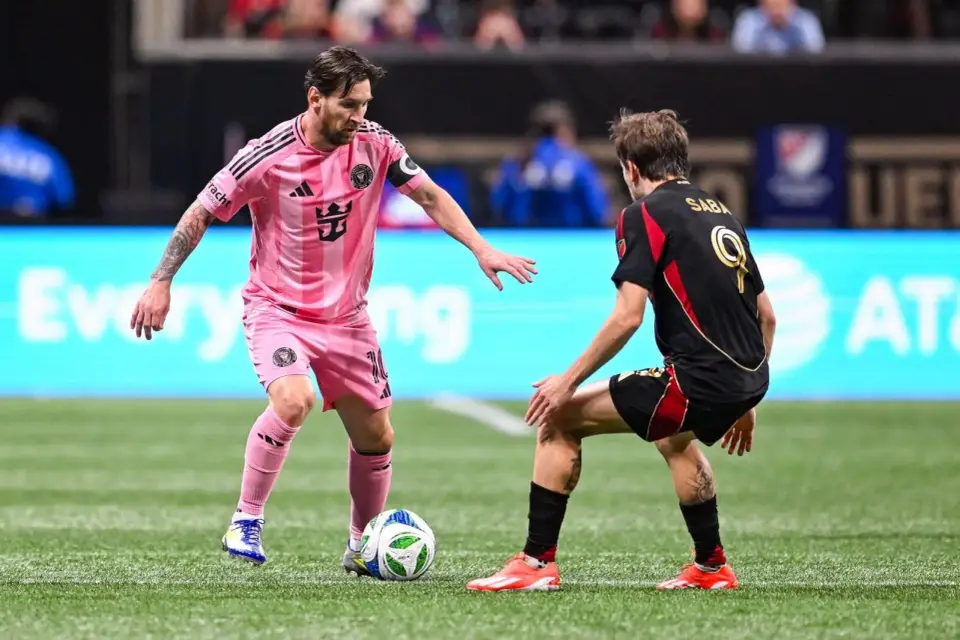
Messi Returns to MLS with Two Assists in Inter Miami’s Dramatic Draw
6 Sept 2026
Sports
Ballon d’Or 2026: Messi and World Cup Hero Yamal Lead Star-Studded Shortlist
10 Sept 2026
Sports
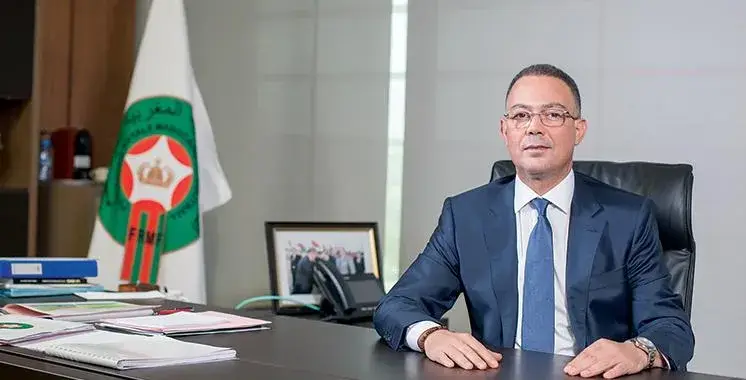
Morocco’s Football Chief Joins PAM Party as PM Speculation Grows
24 Sept 2026
Sports
Chelsea Ownership Battle Ends as Clearlake Buys Out Boehly and Walter
17 Sept 2026
Sports
FIFA Halts Nigeria Football Federation’s Elective Congress
9 Sept 2026
You may also like
Sports
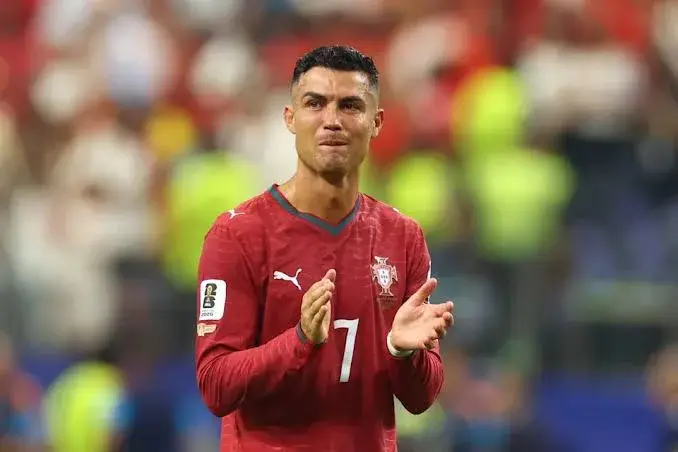
Portugal Football Federation Backs Cristiano Ronaldo to Continue International Career
5 Oct 2026
Sports
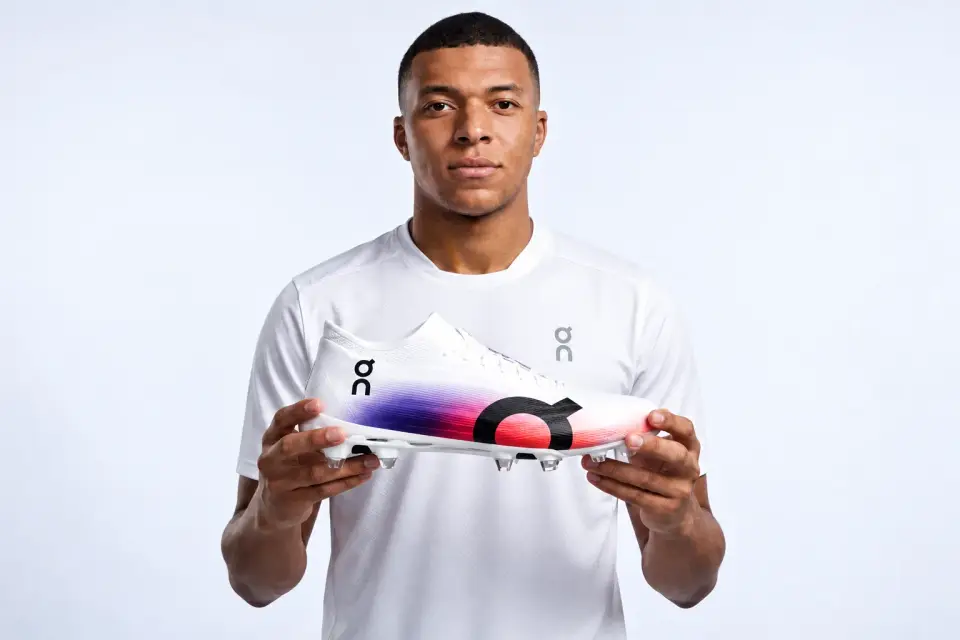
Kylian Mbappé Joins On as Swiss Brand Enters Football Boot Market
18 Sept 2026
Sports
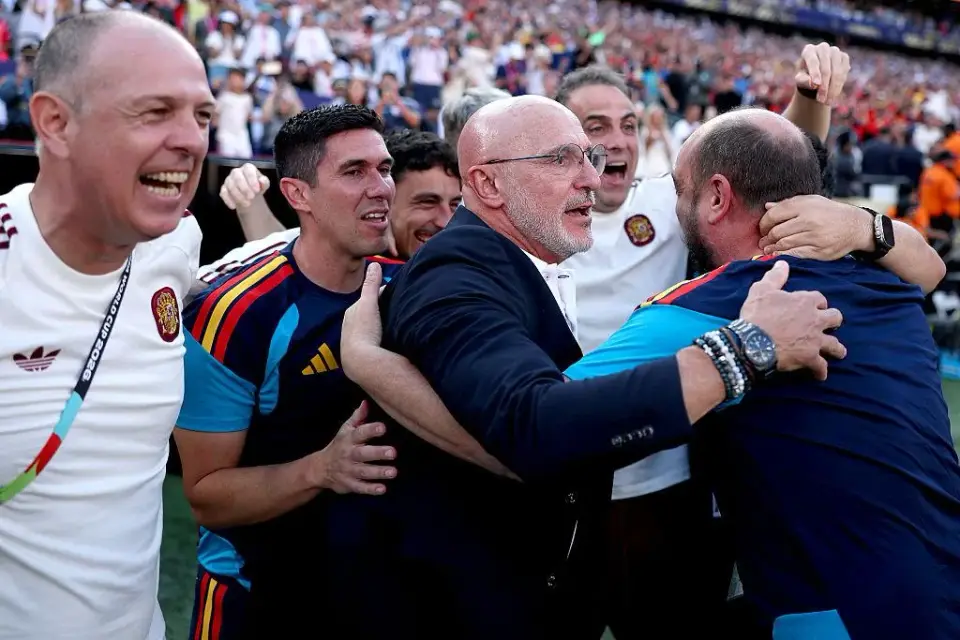
Spain Set to Extend Luis de la Fuente's Contract After World Cup Triumph
15 Sept 2026
Sports
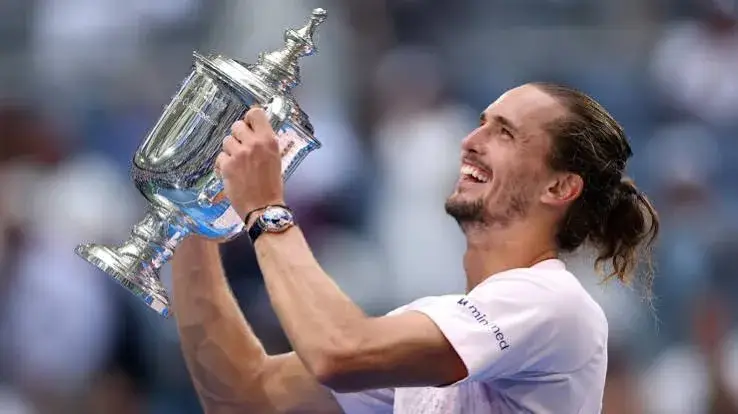
Alexander Zverev Wins First US Open Title After Defeating Ben Shelton in Epic Final
13 Sept 2026

Sports
Chad Opens First FIFA Arena as Nation Targets 23 Community Football Pitches
9 Sept 2026
Sports
Manchester United Co-Owner Jim Ratcliffe Criticises UK Economic Direction
21 Sept 2026