FIFA Halts Nigeria Football Federation’s Elective Congress
FIFA has suspended the Nigeria Football Federation’s September elective congress, throwing the country’s football leadership transition into uncertainty just weeks before delegates were due to vote.
FIFA has suspended the Nigeria Football Federation’s (NFF) scheduled 27 September elective congress, halting the process that was expected to produce a new leadership for Nigerian football and deepening uncertainty over the governance of the country’s most influential sporting institution.
The suspension comes less than a month after NFF President Ibrahim Musa Gusau, General Secretary Mohammed Sanusi and several executive committee members resigned following mounting criticism over the performances of Nigeria’s national teams. The September congress had been widely seen as the beginning of a fresh chapter for the federation after one of its most turbulent periods in recent history.
FIFA has not publicly detailed the full grounds for the suspension, but documents circulating within the election process indicate that the exercise has been placed on hold pending possible actions under the statutes of FIFA, the Confederation of African Football (CAF) and the NFF. The decision effectively freezes the work of the electoral committees that had already been inaugurated to oversee the congress.
The leadership vacuum follows a difficult year for Nigerian football. The Super Eagles failed to qualify for the 2026 FIFA World Cup, while the Super Falcons also missed qualification for the 2027 FIFA Women’s World Cup after a playoff defeat to South Africa, an unprecedented setback for a team that had featured in every previous edition of the tournament. Those disappointments intensified calls for sweeping reforms within the federation and ultimately culminated in the resignation of its top officials.
The elective congress was expected to bring together delegates from state football associations, clubs, referees, coaches and other stakeholders to elect a new president and executive committee. With FIFA’s intervention, however, the timetable for nominations, campaigning and voting has been thrown into question, leaving stakeholders awaiting further guidance from both FIFA and CAF.
FIFA has consistently maintained that member associations must conduct elections in accordance with their statutes and internationally recognized governance standards. While suspensions of electoral processes are uncommon, the world football governing body has previously intervened where disputes over electoral procedures or statutory compliance threatened the integrity of national football administrations.
For Nigerian football, the suspension extends a period of institutional instability at a time when rebuilding public confidence has become as important as rebuilding results on the pitch. Beyond deciding who leads the NFF, the delayed election will shape how the federation approaches governance, youth development, domestic football and preparations for future international competitions, making its eventual resolution one of the most consequential decisions facing the sport in Nigeria.
More on Sports
Sports
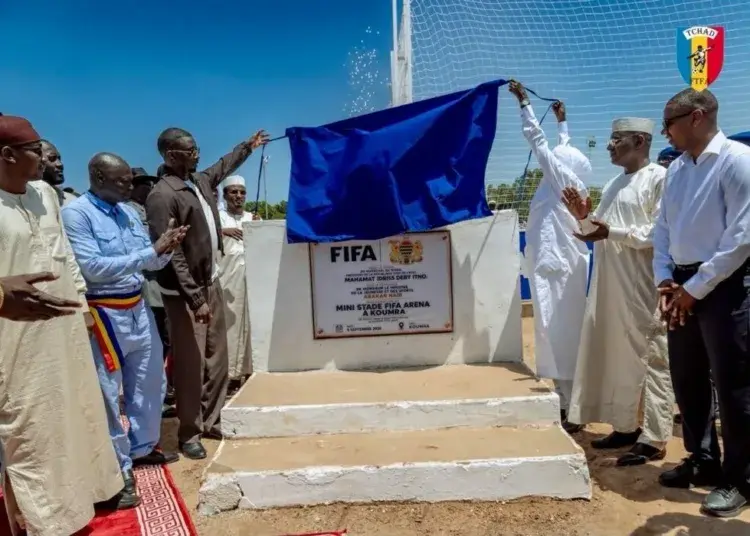
Chad Opens First FIFA Arena as Nation Targets 23 Community Football Pitches
9 Sept 2026
Sports
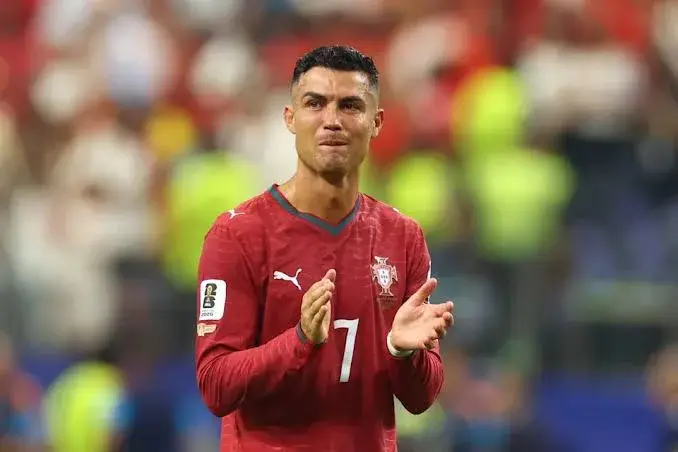
Portugal Football Federation Backs Cristiano Ronaldo to Continue International Career
5 Oct 2026
Sports
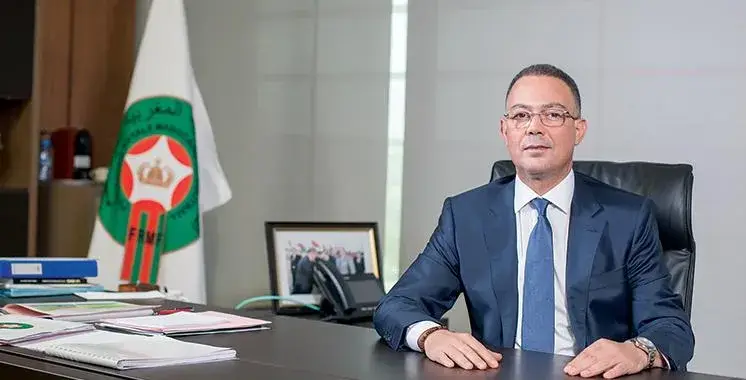
Morocco’s Football Chief Joins PAM Party as PM Speculation Grows
24 Sept 2026
Sports
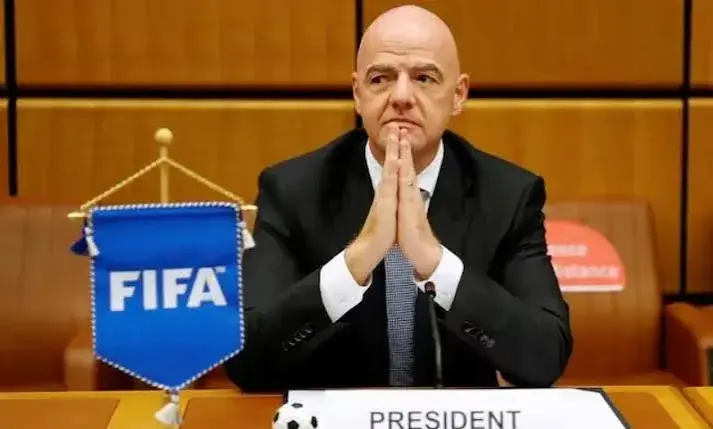
FIFA Council Set to Examine Infantino’s Abandoned $20bn Investment Proposal
17 Sept 2026
Sports
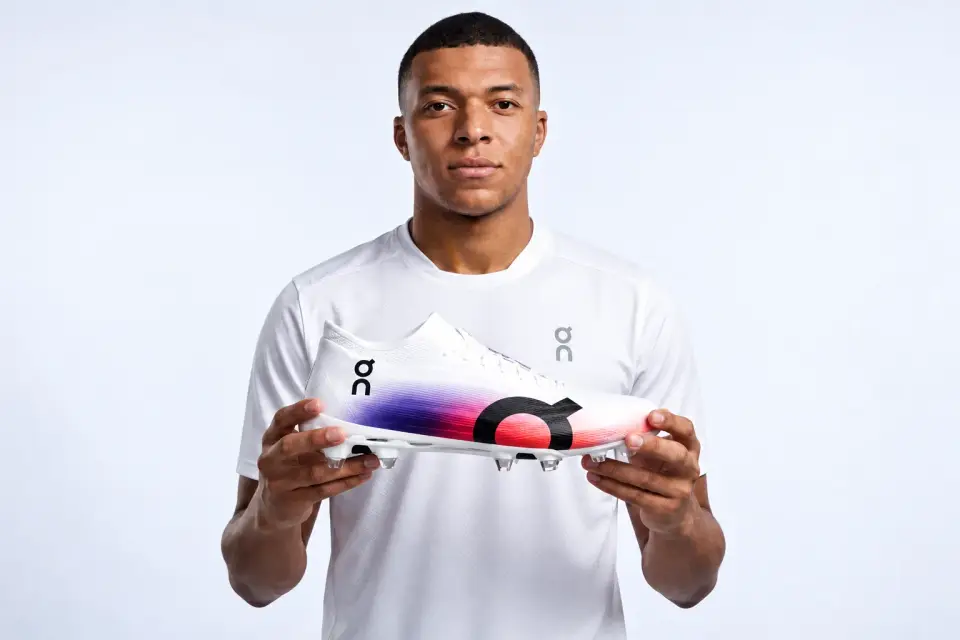
Kylian Mbappé Joins On as Swiss Brand Enters Football Boot Market
18 Sept 2026
You may also like

Sports
Nigeria’s Tobi Amusan Bags $75,000 After Brilliant Budapest Silver
12 Sept 2026
Sports
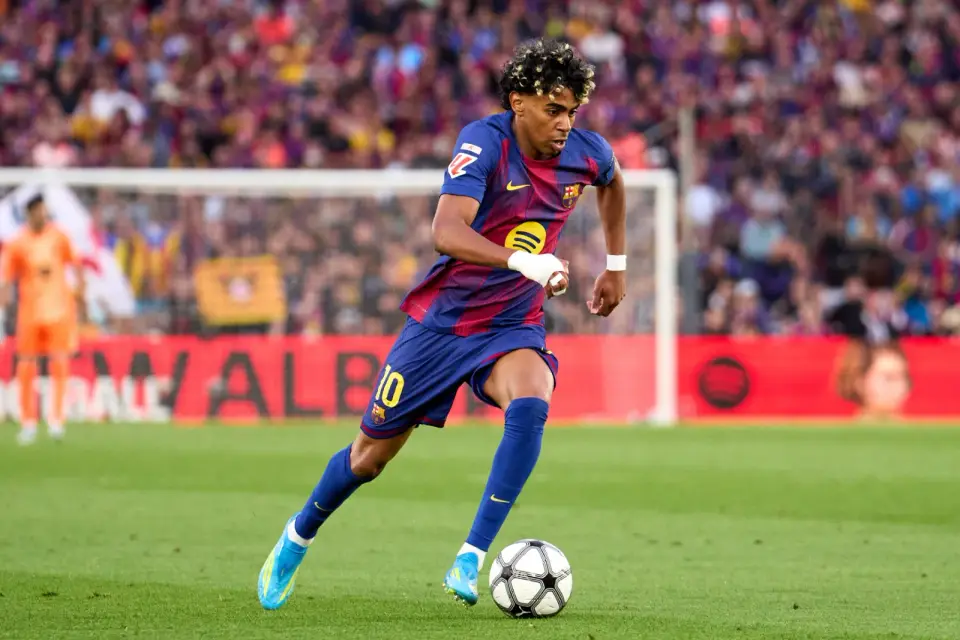
Lamine Yamal Says He Deserves the 2026 Ballon d’Or
14 Sept 2026
Sports
Ballon d’Or 2026: Messi and World Cup Hero Yamal Lead Star-Studded Shortlist
10 Sept 2026
Sports
Messi Set to Become New Owner of Spain’s CD Eldense
9 Sept 2026
Sports
D’Tigress Stumble Against South Korea in FIBA World Cup Opener
5 Sept 2026
Sports
Manchester United Co-Owner Jim Ratcliffe Criticises UK Economic Direction
21 Sept 2026