Tinubu Records: Atiku Rejects FBI’s ‘Danger to Lives’ Argument
Atiku Abubakar has challenged the FBI’s argument for keeping some Tinubu-related records from public view.
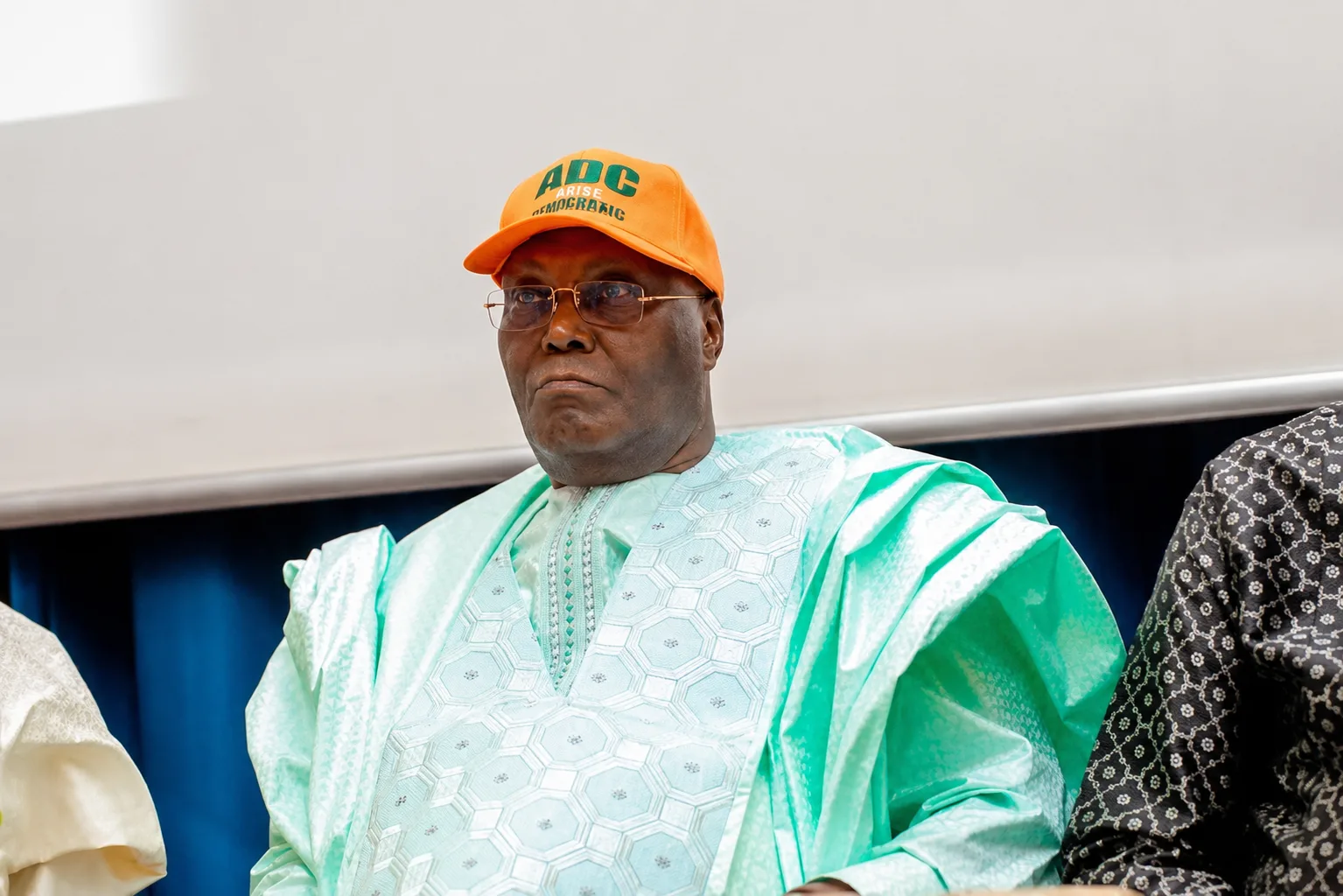
Former Vice President Atiku Abubakar has pushed back against the US Federal Bureau of Investigation’s request to privately explain why some records concerning President Bola Ahmed Tinubu should remain undisclosed, arguing that the agency’s concern about potential danger to individuals cannot be used as a blanket excuse for withholding information that can legally be made public.
Atiku, the African Democratic Congress (ADC) presidential candidate for the 2027 election, made the argument in a statement issued on Saturday by his Senior Special Assistant on Public Communication, Phrank Shaibu. His comments followed a fresh filing by the FBI in a long-running Freedom of Information Act case over records connected to Tinubu.
The FBI asked a federal court in Washington, DC, to allow it to submit additional declarations ex parte and in camera, meaning privately and for the judge’s review, to explain why some of the requested records should remain withheld. The agency said publicly disclosing the full basis for its position could expose law-enforcement techniques and potentially endanger the lives or physical safety of individuals.
Atiku rejected that reasoning, saying the question of whose lives were supposedly at risk should not obscure what he described as the consequences of economic policies under Tinubu. He argued that Nigerians were already facing severe pressures over food, healthcare, household costs and debt.
“Which lives? Nigerians are already dying,” Atiku said, according to his statement. He argued that families that once managed three meals a day were struggling to afford food, while the cost of medicines and other necessities had become increasingly difficult for many households. Those are Atiku’s political claims about the impact of the administration’s policies, rather than findings independently established by the FBI or the US court.
The former vice president also used the dispute to renew his criticism of Tinubu’s decision to remove the petrol subsidy after taking office in May 2023. Atiku said the policy had been implemented without adequate protection for vulnerable Nigerians and reiterated his proposal for a different form of fuel support if elected president.
Under Atiku’s proposal, the subsidy would not return in the form of what he described as the previous open-ended system. His campaign says he favours a targeted, capped and budgeted mechanism tied to domestic production, with independent auditing and safeguards against diversion and arbitrage.
The exchange with the FBI is taking place against the backdrop of a separate legal battle over US records relating to Tinubu. The FOIA case was brought by American transparency activist Aaron Greenspan, who has sought records from US agencies concerning investigations dating to the early 1990s. The requests include Tinubu’s FBI file and interview records from that period.
The records are politically sensitive because they relate to historical allegations involving drugs and money laundering. However, the existence of an investigation or records about a person should not be confused with proof that the person committed a crime. Tinubu has not been criminally charged in the United States in connection with the historical matter, and the current litigation is principally about whether government records should be released under FOIA.
The latest FBI filing also does not amount to a finding against Tinubu. The agency is asking the court to consider privately the reasons behind its proposed withholding of some information. Whether any of the disputed material will eventually become public remains for the court to determine.
The timing nevertheless gives the dispute an unmistakable political dimension. Nigeria has now entered the campaign period ahead of the 2027 presidential election, with Tinubu seeking another term and Atiku positioning himself as one of the leading opposition challengers. Recent reporting has highlighted economic hardship and insecurity as major concerns for voters, even as the Tinubu administration points to improved government revenues, macroeconomic reforms and stronger investor confidence.
For Atiku, the FBI dispute provides another avenue to question the President’s record and demand greater transparency. For the administration and its supporters, however, the underlying FOIA case remains a legal matter involving historical US records rather than evidence of present-day wrongdoing.
The broader significance lies in the collision of two very different questions: what the US government is legally permitted to disclose, and what Nigerian voters believe they have a right to know. As the 2027 election approaches, the Tinubu records controversy is likely to remain politically potent, but the eventual court ruling will turn on evidence, privacy protections and US disclosure law — not on the competing political narratives now surrounding it.
More on Nigeria
Nigeria
Nigerian UN Envoy Rejects Claims of US Restrictions on Tinubu’s UNGA Trip
7 Sept 2026

Nigeria
Wike: If Atiku or Peter Obi wins, I'll be the first politician they come after
3 Sept 2026
Nigeria
Oluremi Tinubu Reaffirms Education as Cornerstone of Renewed Hope Agenda
17 Sept 2026

Nigeria
Soludo Endorses Tinubu for 2027 During First Lady’s Awka Reception
12 Sept 2026
Nigeria
Oluremi Tinubu Honoured in Imo as Oso Di Eme I During Official Visit
10 Sept 2026
You may also like
Nigeria
Tinubu Approves ₦515m Relief for Cross River SPAR Fire Victims
5 Sept 2026
Nigeria
Tinubu Leaves Nigeria to ‘Refuel’ as Presidency Defends Three-Week Europe Break
31 Aug 2026

Nigeria
Abacha’s Son Emerges PDP Flagbearer for Kano Governorship Race
17 Sept 2026

Nigeria
National Assembly Transmits 2026 Constitution Amendment Bill to 36 State Assemblies
17 Sept 2026

Nigeria
British High Commissioner-designate Pete Vowles Arrives in Nigeria
14 Sept 2026
Nigeria
Catholic Bishops Warn Political Leaders Against Manipulating 2027 Elections
14 Sept 2026