
Police Arrest 46 Over Peter Obi Convoy Blockade in Benue
Benue Police have arrested 46 suspects over the blockade of Peter Obi’s convoy, as investigators work to establish who organised the disruption and the roles played by those involved.

MAKURDI, Nigeria — The Benue State Police Command has arrested 46 suspects in connection with the blockade of Peter Obi’s convoy during his recent visit to Benue State, marking the first major breakthrough in an investigation that has become one of Nigeria’s earliest political flashpoints ahead of the 2027 general election.
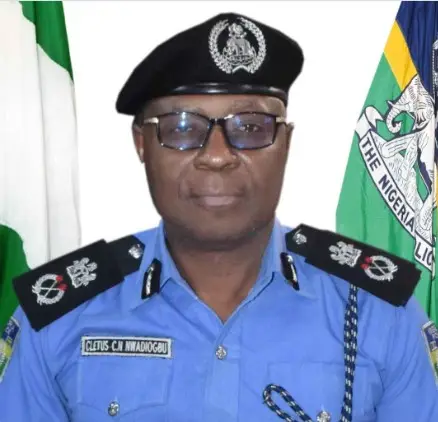
The arrests were announced by the Commissioner of Police, CP Nwadiogbu, during a press conference in Makurdi, where he said investigations are ongoing to determine those responsible for organising the blockade and the specific roles played by each suspect.
According to the police, the operation remains active, with investigators gathering evidence to establish whether additional individuals were involved beyond those already in custody. Authorities have not yet released the identities of the suspects or disclosed the charges they may eventually face.
The incident occurred when Peter Obi, the presidential candidate of the Nigerian Democratic Congress (NDC), travelled from Abuja to Benue on a humanitarian visit to sympathise with families affected by the Yelwata massacre, one of Nigeria’s deadliest recent attacks on civilians. His convoy was stopped along the Gyado Villa axis of Gboko Road by a group of youths, forcing him to abandon the journey before reaching the community.
Following the disruption, Obi alleged that the men who confronted his convoy were hired thugs and described the episode as a disturbing attack on democratic values and humanitarian engagement. That allegation has not been independently verified, and the police have not attributed any political motive to the suspects arrested.
The blockade quickly evolved into a wider political controversy after the Benue State Government denied any involvement. Governor Hyacinth Alia’s administration said it had not been informed of Obi’s visit and rejected suggestions that the youths acted on behalf of the government, insisting that neither state officials nor the administration sponsored the disruption.
The NDC offered a different account. Party officials maintained that Obi’s team had formally notified both the Nigeria Police Force and the Department of State Services (DSS) before the visit, arguing that security personnel had already been deployed to accompany the presidential candidate. The conflicting narratives raised questions about whether the incident resulted from a security lapse, poor coordination or deliberate obstruction.
The police investigation now represents the first official attempt to establish what happened beyond the competing political claims. CP Nwadiogbu said detectives are examining evidence and witness accounts to identify those who planned the blockade and determine the extent of each suspect’s involvement.
The Yelwata massacre had already placed Benue at the centre of Nigeria’s security conversation, prompting nationwide calls for stronger protection of vulnerable communities. The obstruction of Obi’s convoy has since expanded that debate into the political arena, with opposition parties and civil society groups warning that the freedom of political leaders to travel and engage citizens must be protected regardless of party affiliation.
As preparations for the 2027 presidential election gradually intensify, the outcome of the police investigation is likely to carry significance beyond the 46 arrests. Whether the inquiry is seen as thorough, impartial and transparent may become an important test of public confidence in Nigeria’s security institutions and their ability to safeguard democratic participation during an increasingly competitive political season.
More on Security
Security
RAF Base Terror Suspects Identified as British Nationals From London
28 Sept 2026
Security
UK Police Arrest Five Men Near RAF Fairford in Terror Probe
28 Sept 2026
Security
UK Arrests British-Iranian Man Over Suspected RAF Fairford Terror Plot
1 Oct 2026
Security
Five British Men Released on Bail After RAF Fairford Terror Arrests
29 Sept 2026
Security
Police Officer Shot Near Ontario Synagogue as Worshippers Mark Yom Kippur
21 Sept 2026
Partner with Follow Global Trends
Display banners, sponsored stories and founder spotlights.
You may also like
Security
Fresh Benue Attack Leaves Four Dead, Highlighting Nigeria's Security Challenge
4 Aug 2026
Security
Nigeria Police Issue Nationwide Terror Alert Over Churches, Schools and NYSC Camps
15 Sept 2026
Security
Liverpool Park Horror: Detectives Still Unable to Identify Woman Found in Bin Bag
2 Sept 2026
Security
INTERPOL Cracks Down on Black Axe Networks, 58 Arrested in Global Operation
26 Aug 2026
Security
Europe-Bound Groom Excretes 72 Cocaine Wraps at Enugu Airport
28 Sept 2026
Security
INTERPOL, NDLEA Nab Wanted Heroin Kingpin in Benin Republic
9 Sept 2026