
Mirza Fakhrul Wins Bangladesh Presidency in First Contested Vote in 35 Years.
Bangladesh has elected veteran BNP leader Mirza Fakhrul Islam Alamgir as its new president in the country’s first contested presidential vote in 35 years.
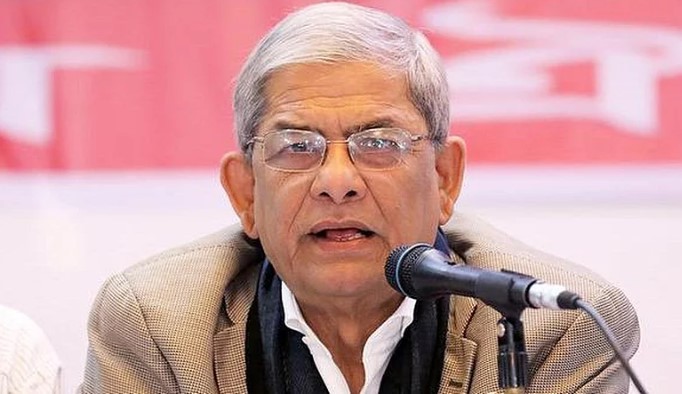
Bangladesh has elected veteran Bangladesh Nationalist Party (BNP) politician Mirza Fakhrul Islam Alamgir as its 23rd president, completing a major political transition following the return of the BNP to power earlier this year.
Alamgir, 78, won 255 votes in Thursday’s parliamentary election, defeating retired army officer and Liberal Democratic Party leader Oli Ahmed, who received 88 votes. All 343 ballots cast were declared valid, according to Bangladesh’s Election Commission.
The election was notable not because the result was particularly uncertain, but because Bangladesh had not held a contested presidential election for 35 years. Since the restoration of parliamentary democracy, presidential contests had routinely ended with a single candidate being elected without a competitive vote.
Alamgir's victory was widely expected because the BNP commands a two-thirds majority in parliament following its February election victory. The opposing candidate, Oli Ahmed, was backed by an 11-party alliance led by Jamaat-e-Islami. Of the 349 lawmakers eligible to vote, 343 participated.
The new president takes office at a particularly important moment in Bangladesh's political history. The country has been reshaped by the fall of former Prime Minister Sheikh Hasina's Awami League government in 2024, a period of interim rule under Muhammad Yunus and the BNP's return to government in February 2026 under Prime Minister Tarique Rahman.
Alamgir has spent decades at the centre of the BNP's political struggle. He served as the party's secretary-general and became one of its most prominent public figures during the years when the BNP was in opposition to Hasina's government. His move from senior party politician to head of state therefore represents a significant change in political status.
The presidency itself is largely ceremonial under Bangladesh's parliamentary system. Executive authority rests principally with the prime minister and cabinet, meaning Alamgir will not replace Tarique Rahman as the country's political executive. The president does, however, serve as head of state and commander-in-chief of the armed forces, giving the office particular importance during periods of political uncertainty.
Alamgir's election followed the resignation of former President Mohammed Shahabuddin, who stepped down last month on health grounds before completing his five-year term. Shahabuddin had been elected unopposed in 2023 as a nominee of Hasina's Awami League and remained president through the upheaval that removed her from office.
The new president was formally sworn into office on Friday at Bangabhaban in Dhaka. Acting Speaker Kayser Kamal administered the oath during a ceremony attended by Prime Minister Tarique Rahman, Chief Justice Zubayer Rahman Chowdhury, former interim government chief adviser Muhammad Yunus, opposition figures and members of the diplomatic community.
The change at the presidential palace comes as the new BNP administration faces the larger task of stabilizing a country that has experienced intense political disruption in recent years. Relations between Bangladesh's new government and neighboring India are also under pressure, particularly over Dhaka's demand for the extradition of Sheikh Hasina, who remains in India.
For Alamgir, the immediate challenge will be to give the presidency institutional credibility while operating within a system where the prime minister holds most executive power. His long history as a senior BNP figure will inevitably make questions about political neutrality and the separation between party and state part of the discussion surrounding his tenure.
His election is nevertheless an important marker in Bangladesh's post-Hasina political transition. A veteran opposition politician has moved into the country's highest ceremonial office after an election that, for the first time in decades, offered parliamentarians a genuine choice. Whether that change translates into stronger democratic institutions will depend less on the symbolism of the vote than on how the country's new political leadership handles opposition, institutions and the difficult task of rebuilding public trust.
More on Asia

Asia
Chinese Militia Boat Spotted Off Taiwan’s East Coast for First Time
8 Oct 2026
Asia
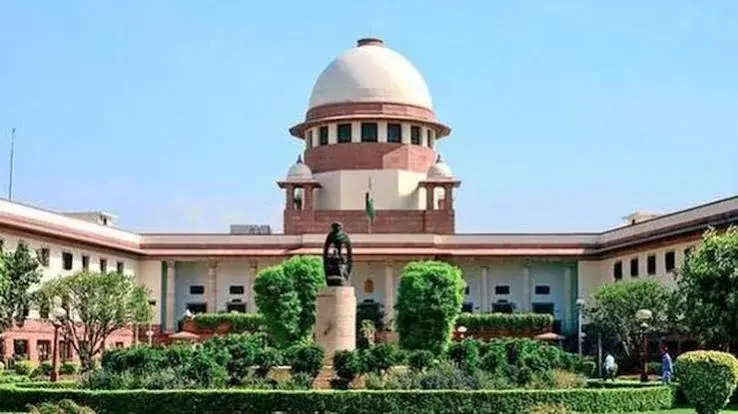
India Keeps Judicial First Approach for Foreign Investment Claims
26 Sept 2026
Asia
Indonesia Receives First Aircraft Carrier as Prabowo Accelerates Military Modernisation
19 Sept 2026
Asia
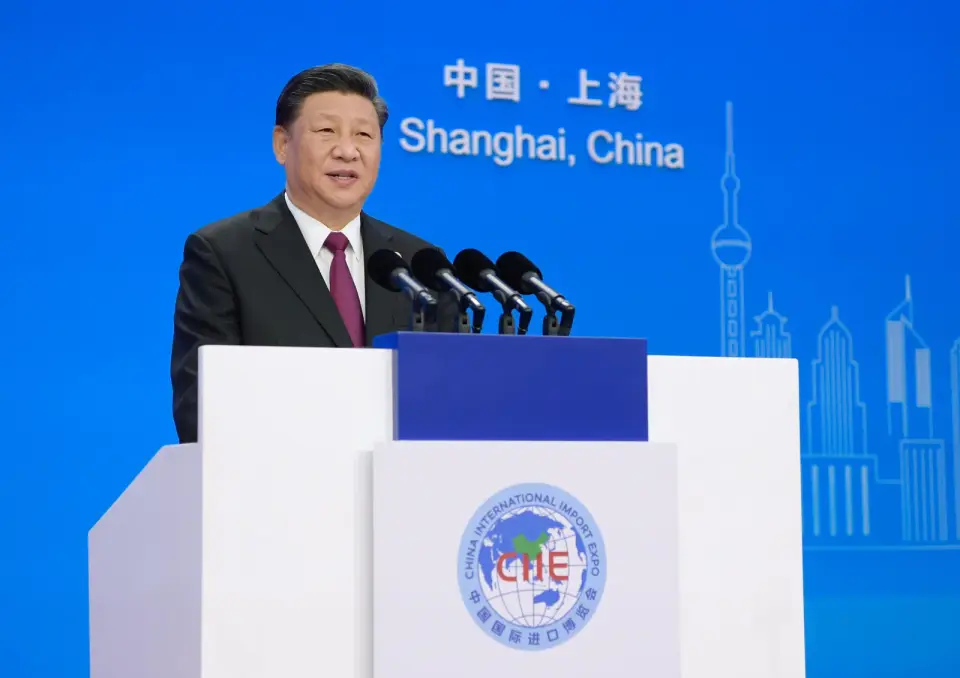
Xi Jinping to Lead Top Chinese Business Delegation on US Visit
20 Sept 2026

Asia
China Opens 134-km Pinglu Canal to Boost ASEAN Trade Connectivity
17 Sept 2026
You may also like
Asia
China Raises Pressure on US with Sanctions and Drone Curbs Ahead of Xi Visit
5 Aug 2026
Asia
In Pakistan, Solar Panels Are Becoming the New Wedding Dowry
1 Oct 2026
Asia
Singapore Bus Passengers Face S$500 Fines for Loud Music, Feet on Seats
23 Sept 2026
Asia
Three Students Die in Philippine School Shooting, Including 16-Year-Old Gunman
18 Sept 2026

Asia
Seventh Baby, Millions of Views: Japan’s Viral Mother Rekindles Birth Rate Debate
8 Sept 2026

Asia
Vietnam’s Pham Thu Huong Overtakes Oprah, Taylor Swift in Billionaire Wealth
8 Sept 2026