
India Keeps Judicial First Approach for Foreign Investment Claims
India has reaffirmed that foreign investors must first pursue disputes through its domestic courts, signalling continuity in its approach to investment protection and judicial sovereignty.
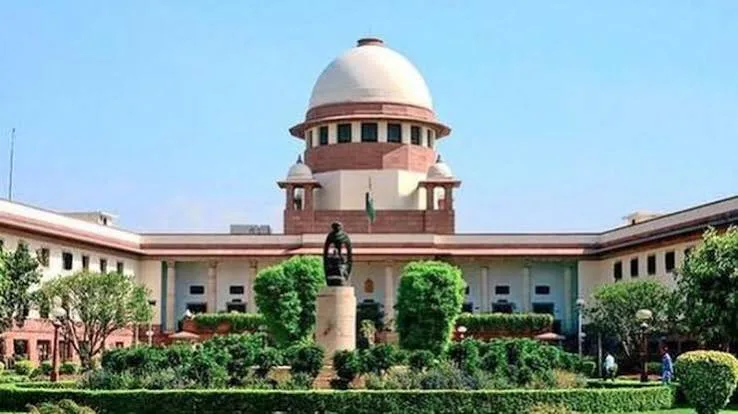
India has decided to retain its long-standing requirement that foreign investors resolve investment disputes through the country’s domestic courts before pursuing international arbitration, reinforcing a policy that has become central to its investment treaty framework. The move provides greater clarity for international investors while underscoring New Delhi’s commitment to keeping sovereign investment disputes anchored in its judicial system.
The decision emerged as part of India’s ongoing review of its bilateral investment treaty (BIT) model, which governs how foreign investments are protected and how disputes between investors and the Indian state are handled. Officials have maintained that the local litigation requirement is intended to strengthen confidence in India’s legal institutions rather than restrict investor rights.
Under the current framework, foreign investors are generally expected to seek remedies in Indian courts for a specified period before initiating international arbitration. The provision was introduced after India overhauled its investment treaty regime following a series of costly arbitration claims brought by overseas investors, prompting the government to redesign its dispute-resolution model in favour of greater judicial oversight.
For international businesses, the policy means that disputes involving government actions, regulatory measures or investment protections are less likely to move directly to global arbitration tribunals. Instead, companies will typically need to exhaust or substantially pursue domestic legal remedies before accessing international mechanisms, depending on the provisions of the applicable treaty.
The decision has generated mixed reactions within the investment community. Supporters argue that it reinforces the authority of India’s judiciary and discourages premature arbitration, while some foreign investors and legal practitioners contend that mandatory domestic litigation can increase the time and complexity involved in resolving commercial disputes.
India’s investment treaty policy has evolved significantly over the past decade. In 2016, the government adopted a revised Model Bilateral Investment Treaty after facing numerous international claims, introducing tighter definitions of investment, stronger safeguards for the state’s regulatory powers and the requirement that investors first seek relief through Indian courts. Since then, New Delhi has sought to negotiate new treaties based largely on that model while terminating or renegotiating several older agreements.
The latest decision is expected to influence ongoing negotiations with countries seeking expanded trade and investment partnerships with India. As one of the world’s fastest-growing major economies, India continues to attract significant foreign direct investment across manufacturing, technology, renewable energy and infrastructure, making the legal framework governing investor protection increasingly important.
While the policy may not immediately alter existing commercial activity, it sends a clear message about India’s preferred balance between attracting foreign capital and preserving judicial sovereignty. As governments worldwide reconsider how investment treaties should protect both investors and public policy, India’s approach is likely to remain an influential model in the evolving landscape of international investment law.
More on Asia

Asia
Chinese Militia Boat Spotted Off Taiwan’s East Coast for First Time
8 Oct 2026
Asia
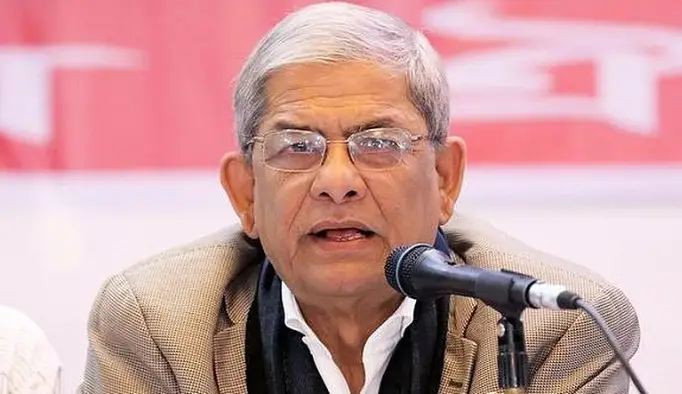
Mirza Fakhrul Wins Bangladesh Presidency in First Contested Vote in 35 Years.
21 Aug 2026
Asia
Indonesia Receives First Aircraft Carrier as Prabowo Accelerates Military Modernisation
19 Sept 2026

Asia
China Opens 134-km Pinglu Canal to Boost ASEAN Trade Connectivity
17 Sept 2026

Asia
South Korea Opens PR Shortcut for Foreigners Who Already Master Korean
19 Aug 2026
Partner with Follow Global Trends
Display banners, sponsored stories and founder spotlights.
You may also like
Asia
Measles Outbreak Kills More Than 1,100 in Bangladesh, Mostly Children
18 Oct 2026
Asia
Pakistan School Roof Collapse Kills 34 Children and Teacher
15 Oct 2026

Asia
Malaysia Closes Schools Across Six States as Toxic Haze Spreads From Indonesia
9 Oct 2026
Asia
In Pakistan, Solar Panels Are Becoming the New Wedding Dowry
1 Oct 2026
Asia
Singapore Bus Passengers Face S$500 Fines for Loud Music, Feet on Seats
23 Sept 2026
Asia
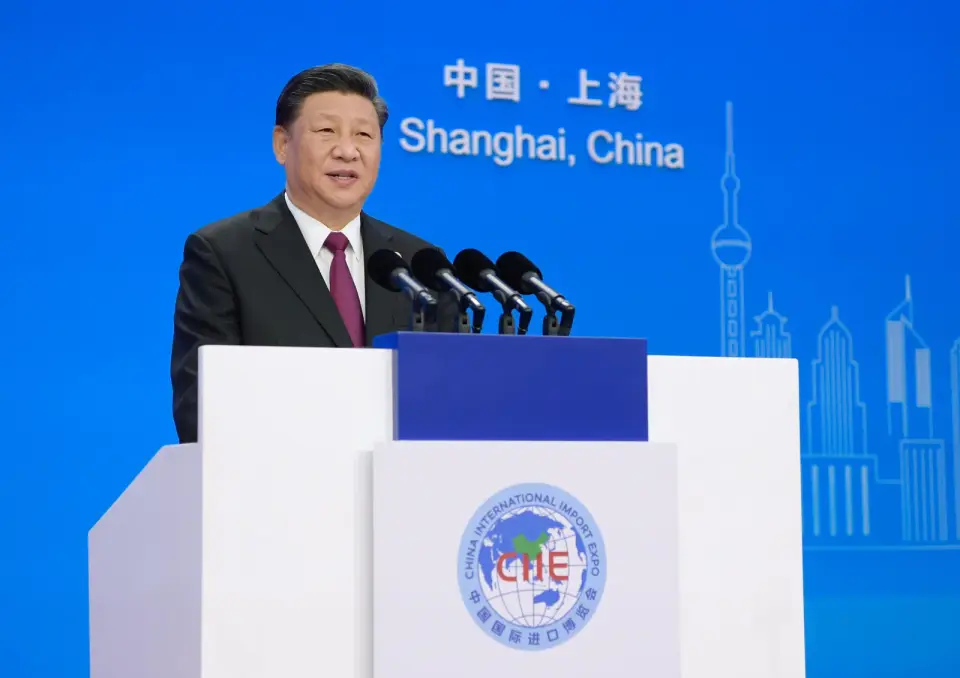
Xi Jinping to Lead Top Chinese Business Delegation on US Visit
20 Sept 2026