A historic opposition rally in New Delhi drew tens of thousands of citizens into the heart of the national capital on Sunday. Carrying national banners and party placards, marchers moved from central avenues toward the historic grounds of Ramlila Maidan to voice frustration with recent changes to the electoral system.
The mass demonstration united parliamentary leaders from across a broad multi-party coalition. Speakers warned that democracy faces severe threats when public confidence in voting lists breaks down.
Organisers declared that the opposition rally in New Delhi was necessary to spotlight voter deletions that they say unfairly weaken electoral competition ahead of future legislative contests.
The Dispute Over Purged Voter Rolls
At the centre of the unrest is an administrative process known as the Special Intensive Revision. Opposition parties claim that the auditing campaign stripped more than one hundred and thirty million registered voters from official rolls without proper prior notice.
Protest leaders allege that the voter list deletions disproportionately removed minority citizens and communities that traditionally support challenger candidates. They argue that deleting names under the guise of list cleaning amounts to unconstitutional voter suppression.
Addressing the assembled crowd, senior opposition figures demanded the resignation of the Chief Election Commissioner. They promised to pursue formal legal action and parliamentary inquiries over alleged administrative misconduct.
Official Rebuttals and Government Stance
The Election Commission has firmly rejected all accusations of political bias or manipulation. Election authorities stated that the roll revision is a regular administrative update designed to remove duplicate entries, deceased persons, and relocated individuals.
Officials stressed that eligible voters whose names were mistakenly removed retain the right to apply for reinstatement through standard registration windows.
Spokespersons for the ruling administration dismissed the street march, accusing opposition organisers of manufacturing controversies and eroding trust in public institutions. Government officials argued that normal civic procedures should be resolved through established legal channels rather than disruptive street protests.
High Security and Future Legal Battles
Security personnel deployed hundreds of riot police, physical barriers, and water cannon vehicles along major parade routes to prevent clashes. Although the march disrupted city traffic for several hours, the demonstration proceeded without major physical violence.
The powerful show of strength indicates that electoral transparency will remain a defining battleground for Indian politics leading into upcoming regional and national contests.
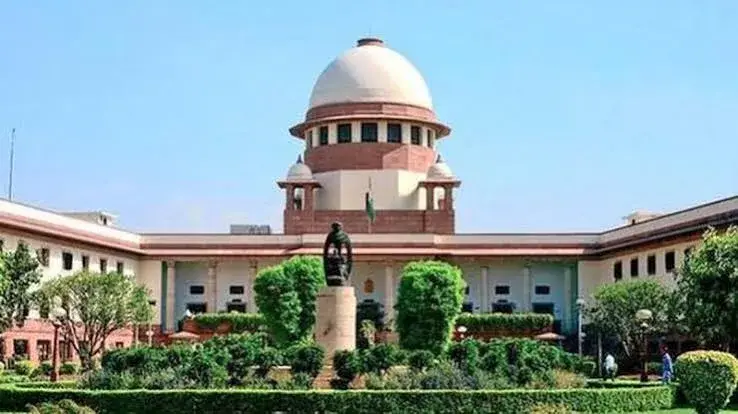
Opposition strategists confirmed plans to petition the Supreme Court and organise regional civic rallies in other major state capitals over the coming weeks.