Kenya Backs Africa’s Next Super Model 2026 in Fresh Push for Fashion Tourism
Kenya has endorsed Africa’s Next Super Model 2026, linking the fashion event to tourism, cultural diplomacy and creative-industry growth.
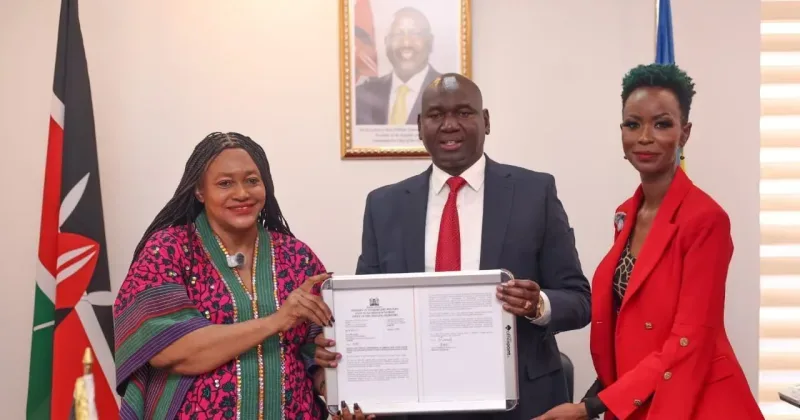
Kenya has officially endorsed Africa’s Next Super Model 2026, giving the continental modelling competition a government-backed boost as Nairobi prepares to host its grand finale in November.
The endorsement was conveyed by Julius Bitok, Principal Secretary in Kenya’s State Department for Tourism, who described the competition as a platform capable of supporting tourism promotion, destination marketing, cultural diplomacy and the expansion of Kenya’s creative economy.
The 2026 edition is being organized by Nigerian fashion entrepreneur and model scout Joan Okorodudu, founder of Africa’s Next Super Model and managing director of ISIS Models. The Nairobi grand finale is scheduled for November 2, while a casting session is planned for Nairobi on August 29.
For the Kenyan government, the attraction goes beyond the runway. Bitok said the event fits into the country’s wider strategy of using the creative economy to generate employment, empower young people, encourage innovation and strengthen tourism. He also identified fashion tourism as an emerging niche capable of complementing Kenya’s established tourism offerings.
The competition has previously demonstrated how modelling can connect talent development with international exposure. At the 2024 edition in Nairobi, Chol Tot Nyang, who grew up in Kenya’s Kakuma refugee camp, won the title and a $5,000 prize. The event brought together contestants from Kenya, Nigeria and Rwanda, with international modelling agencies present to scout emerging talent.
That history gives this year’s event a stronger regional dimension. Africa’s Next Super Model has been positioned not simply as a beauty competition, but as a talent-discovery platform designed to connect African models with international agencies, designers and commercial opportunities. Okorodudu has previously stressed the career-development aspect of the competition and its links to international modelling markets.
Kenya’s involvement also fits an established government strategy of diversifying the country’s tourism offer. Its tourism policy has identified cultural, sports, shopping, adventure and other niche forms of tourism as opportunities for attracting visitors and generating employment, while emphasising partnerships with local and international stakeholders.
The fashion industry offers another route into that strategy. A major international fashion event can bring models, designers, photographers, media organisations, investors and audiences into the host city, creating activity across hospitality, transport, retail and entertainment. The Kenyan government said Africa’s Next Super Model could help position the country as a destination for tourism and investment while showcasing African culture through fashion.
For Nairobi, hosting the finale also reinforces the city's growing role as a meeting point for African creative industries. Kenya has previously hosted major international and regional events across tourism, sports and culture, using them to increase global visibility and stimulate visitor spending. Its tourism authorities have consistently promoted events as part of a broader destination-marketing strategy.
The opportunity for the models themselves is equally important. Africa has produced an expanding pool of internationally recognised fashion talent, but aspiring models often face limited access to professional agencies, training, international networks and major fashion markets. Competitions that connect emerging talent directly with established industry players can help narrow that gap, provided the opportunities continue beyond the competition itself.
There is also a cultural dimension to Kenya’s endorsement. Fashion provides a way of presenting African identity to international audiences without reducing the continent to traditional tourism imagery. Designers and models can communicate contemporary African aesthetics, fabrics, stories and identities while participating in a global commercial industry.
The real test will come after the cameras leave Nairobi. A successful event can generate attention, but sustained value will depend on whether participating models secure meaningful international opportunities, whether Kenyan businesses benefit from the influx of visitors and whether the creative partnerships created around the competition continue after the finale.
Kenya’s endorsement is therefore significant because it places fashion inside the country’s wider tourism and economic-development conversation. Africa’s Next Super Model 2026 gives Nairobi an opportunity to market itself not only as a safari and business destination, but also as a home for African creative talent. If that connection between fashion, tourism and opportunity is sustained, the runway could become another avenue through which Africa tells its own story, and turns cultural visibility into economic value.