Dubai’s annual inflation rate accelerated to 5.5% in October 2026, up from 5.0% in September.
The increase returned consumer price growth to its peak August level. On a monthly basis, consumer prices rose 1.1%, reversing a 0.05% dip recorded in September.
Official data from the Dubai Data and Statistics Establishment shows that rising living expenses were driven primarily by higher automotive fuel prices and accelerating grocery bills.
Fuel Hikes Push Transport Costs to Four-Year Milestone
Transportation emerged as the single largest contributor to the city's inflation jump.
Transport costs climbed 19.3% year-on-year in October, rising sharply from a 14.7% annual increase in September. Over the month alone, mobility expenses jumped 6.3%.
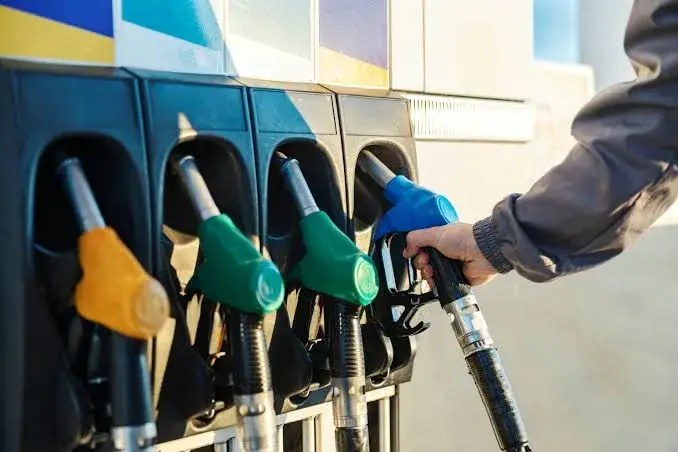
The spike followed October's domestic fuel price adjustments. Super 98 petrol reached Dh4.40 per litre, representing a 58.8% increase compared to the same period last year. Within the consumer price index basket, fuel and lubricants recorded the steepest annual rise at 53.2%.
This surge reshuffled Dubai's cost-of-living dynamics. Transport added 2.3 percentage points to headline inflation, overtaking housing's 2.2 percentage point contribution. It marks the first time since October 2022 that transportation has surpassed rent and utilities as the primary driver of headline inflation.
Grocery Inflation Reaches Steepest Pace Since 2010
Household budgets faced additional pressure at supermarket checkout counters across the emirate.
Food and beverage prices rose 9.1% year-on-year in October, up from 8.0% in September. That pace represents the steepest annual rise in Dubai food costs since at least January 2010.
By comparison, food inflation stood at just 0.9% at the start of 2026. Essential staples, imported packaged goods, and fresh produce have experienced steady increases, with monthly food costs advancing another 1.0% in October.
Analysts note that local retail and dining businesses are increasingly passing higher shipping, logistics, and wholesale expenses directly to consumers as consumer demand remains resilient.
Moderating Housing Costs Provide Modest Cushion
While transport and groceries became costlier, Dubai's largest expenditure category showed signs of gradual cooling.
Housing, water, electricity, and gas costs rose 5.8% year-on-year in October. That pace reflects a steady deceleration from 6.2% in September and 7.4% in January 2026.
Because housing makes up the largest individual weighting in the consumer basket, the slowdown helped prevent a steeper rise in the overall headline figure.
In the hospitality sector, short-term accommodation and hotel rates jumped 66.1% month-on-month as Dubai's peak winter tourism season began. Despite the monthly seasonal rebound, accommodation prices remained 11.7% lower than in October 2025.
Economic Outlook and Price Pressures for 2027
Economic forecasters anticipate inflation will hover near current levels before moderating in the new year.
Domestic petrol rates experienced modest relief in November, with Super 98 dipping to Dh4.15 per litre. However, research analysts at Emirates NBD expect annual transport inflation to stay elevated through the remainder of the quarter.
Softening global crude oil prices could help ease import costs and transport expenses heading into early 2027, provided international commodity benchmarks hold their lower range.
Headline inflation across Dubai is projected to remain broadly stable through November and December before cooling gradually in 2027 as regional supply chains adjust and baseline price comparisons reset.