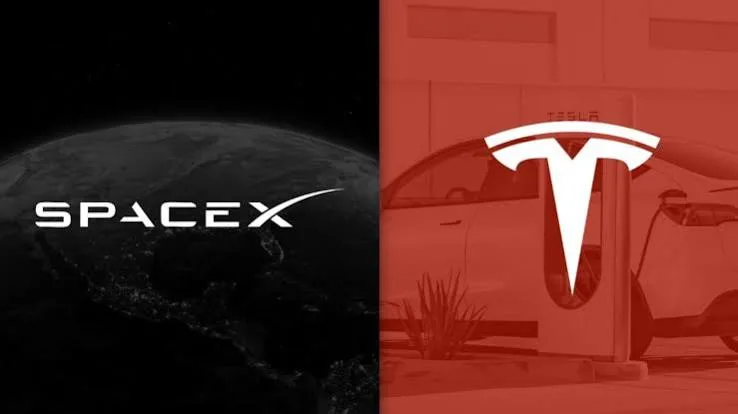
Merger negotiations between Elon Musk’s two flagship corporations, SpaceX and Tesla Inc., have gathered rapid momentum. Independent board committees and financial advisers are working through an aggressive schedule that could yield a formal deal announcement as soon as December.
If finalized, the transaction would represent the largest corporate combination in business history. A unified company would command an estimated enterprise valuation between $3.4 trillion and $3.5 trillion, bringing aerospace logistics, satellite connectivity, electric mobility, and robotics under one corporate umbrella.
Special Committees and the Push for a December Pact
Negotiations moved from initial feasibility reviews into active structural bargaining following discussions launched in October. Both companies established special committees composed exclusively of independent directors to review valuation models and transaction structures.
Musk recused himself from direct committee deliberations due to his dual position as chief executive and major shareholder of both firms. Advisers are targeting an announcement window before the close of 2026, though sources note the schedule could extend into early 2027 if governance terms require further scrutiny.
The fast-tracked timeline reflects Musk’s preference for rapid corporate maneuvers, but advisers continue to caution that no binding agreement has been executed.
Historic Valuation and Proposed Deal Structure
The scale of the proposed merger dwarfs all previous acquisitions in corporate history. SpaceX holds a public market valuation near $1.99 trillion following its mid-year stock offering, while Tesla trades near a market capitalization of $1.5 trillion.
Current discussions point toward a structure where SpaceX absorbs Tesla through an equity exchange. Negotiating teams are focusing heavily on the share-conversion ratio to determine how much equity Tesla stockholders would receive in the combined aerospace and automotive powerhouse.
Supporters argue the union would accelerate deep-technology integration, aligning Tesla’s artificial intelligence and humanoid robotics programs with SpaceX’s Starlink orbital communications and heavy rocket infrastructure.
Regulatory Obstacles and Cross-Border Complexities
Antitrust specialists and national security analysts expect the proposal to trigger intense regulatory examination from international watchdogs. A primary hurdle involves Tesla’s extensive manufacturing footprint and supply-chain exposure in mainland China.
By contrast, SpaceX operates as a critical defense contractor for the United States government, maintaining classified contracts with the Department of Defense, intelligence agencies, and NASA. Blending proprietary aerospace defense platforms with commercial Chinese automotive facilities will attract close review by foreign investment oversight bodies.
Competition authorities in North America and Europe are also expected to examine the concentration of satellite internet, ground robotics, and autonomous transport assets under single management.
Shareholder Thresholds and Governance Safeguards
Beyond regulatory approvals, the merger faces an exceptionally high threshold among public investors. Musk has publicly stated that ratifying the deal will require backing from at least 50 percent of all outstanding Tesla shares, rather than a simple majority of cast ballots.
Institutional investors have expressed concerns regarding potential share dilution and executive attention. Independent board members must demonstrate that the merger provides clear, tangible value to automotive shareholders and does not subordinate vehicle manufacturing to long-term interplanetary exploration.
Legal advisers are currently drafting governance rules to ensure equitable board representation for both shareholder groups before terms are submitted for formal voting.