Nigeria Rejoins J.P. Morgan Global Bond Index After 11-Year Absence
Nigeria is returning to the J.P. Morgan Government Bond Index after an 11-year absence, marking a major milestone in the country’s effort to restore investor confidence and attract foreign capital.
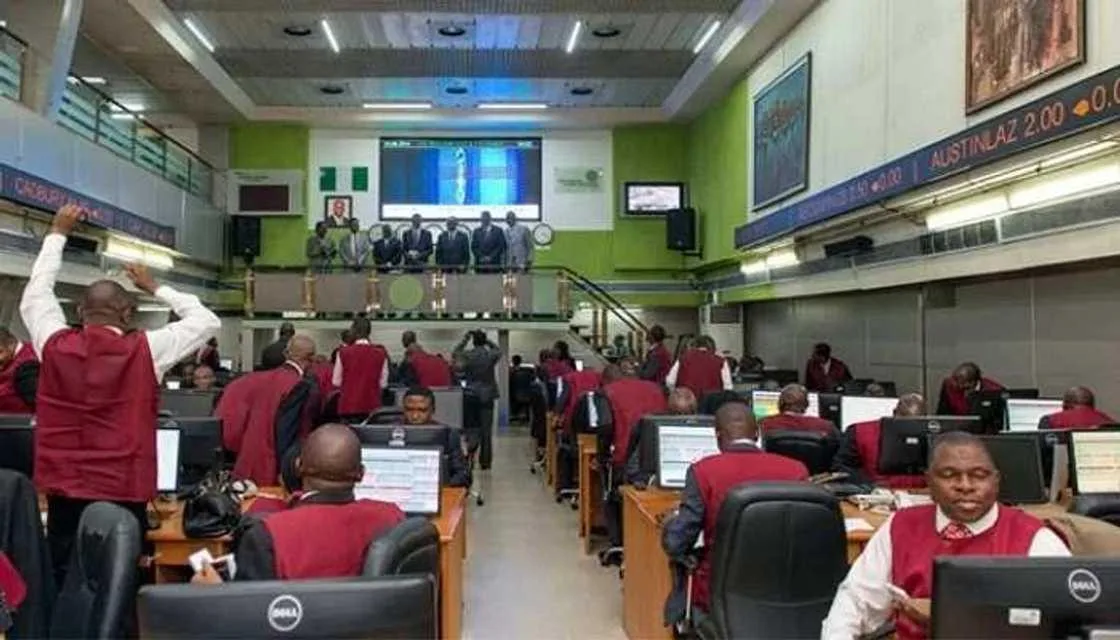
ABUJA — Nigeria has secured a significant vote of confidence from global financial markets after J.P. Morgan confirmed the country’s re-entry into its widely followed Government Bond Index (GBI-EM), ending an exclusion that began in 2015.
The decision is expected to increase Nigeria’s visibility among international portfolio investors, many of whom track the benchmark when allocating funds to emerging market government debt. Analysts say inclusion could support stronger foreign capital inflows, deepen liquidity in the domestic bond market and help reduce the government’s borrowing costs over time.
Nigeria was removed from the index more than a decade ago after concerns over foreign exchange liquidity, capital controls and the difficulty investors faced in repatriating funds. Since then, successive administrations have pursued reforms aimed at restoring market confidence, but the return to the benchmark has been widely interpreted as recognition of recent improvements in foreign exchange policy and broader macroeconomic management.
The development comes as President Bola Tinubu’s administration continues implementing economic reforms under its Renewed Hope agenda, including exchange rate liberalization, efforts to strengthen public finances and measures intended to improve Nigeria’s investment climate. Government officials have repeatedly argued that restoring confidence in the financial system is essential to attracting long-term investment and stabilizing the economy.
Market participants say the immediate impact may be gradual rather than dramatic. Global bond index inclusion typically leads to phased inflows as asset managers rebalance their portfolios, meaning demand for Nigerian sovereign bonds could build steadily in the months ahead rather than arriving all at once. Even so, the symbolic importance of the decision is considerable, as it signals renewed acceptance of Nigeria within one of the world’s most influential emerging-market debt benchmarks.
For investors, the move also broadens exposure to Africa’s largest economy at a time when emerging market assets are attracting renewed interest amid shifting global interest rate expectations. Stronger participation by foreign institutional investors could enhance price discovery in Nigeria’s bond market and expand financing options for both government and the wider economy.
Nigeria’s return to the J.P. Morgan index represents more than a technical market adjustment. After 11 years on the sidelines, it marks a crucial step in rebuilding international investor trust and reinforces the country’s ambition to re-establish itself as a competitive destination for global capital in an increasingly interconnected financial landscape.

Business Economy
MTN Crosses 100 Million Subscribers as Nigeria's Telecoms Base Hits 195 Million
11 Sept 2026
Business Economy
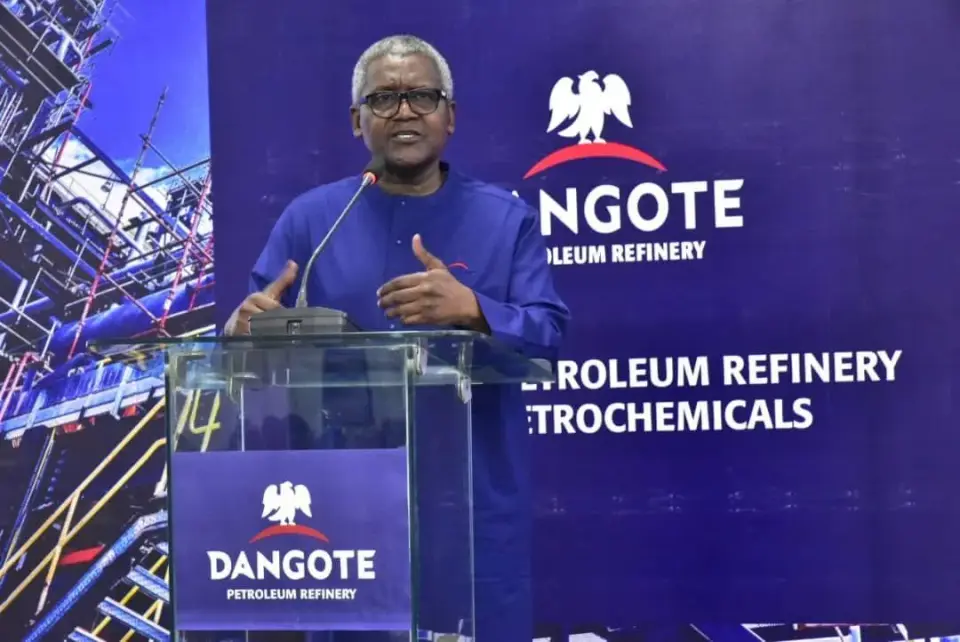
Dangote Refinery IPO Opens Today: How Africa’s Biggest Share Sale Works
14 Sept 2026
Business Economy
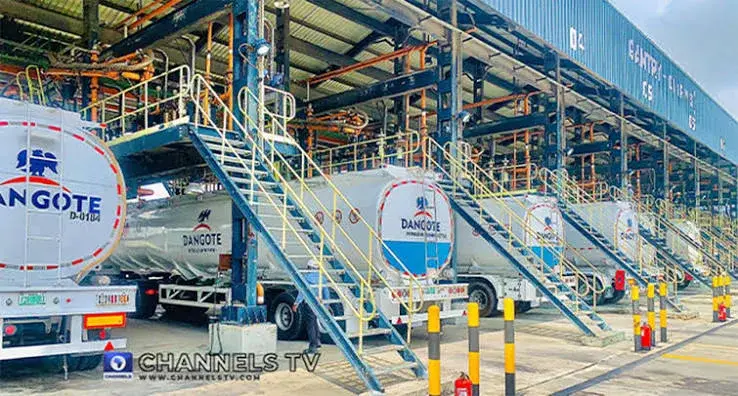
Dangote Refinery IPO Targets Long-Term Investors With Bold ₦10,000 Forecast
13 Sept 2026

Business Economy
Rising Gasoline Prices Push US Inflation Higher in August
12 Sept 2026
Business Economy
UBA Foundation Opens 2026 Essay Competition, Raises Prize Pool to ₦41 Million
12 Sept 2026
You may also like

Business Economy
Dangote IPO: Remita Opens Digital Path for Millions of Nigerian Investors
11 Sept 2026

Business Economy
Saviynt Appoints Heus as VP of Sales for Middle East, Africa
10 Sept 2026

Sports
Lamine Yamal Says He Deserves the 2026 Ballon d’Or
14 Sept 2026

Africa
Multi-Car Crash Kills 21 in South Africa’s Western Cape
14 Sept 2026

Politics
Scotland, Wales and Northern Ireland Leaders Declare Their Future Lies in the European Union
14 Sept 2026

Transport Aviation
Emirates Signs Seven Tourism Partnerships at Arabian Travel Market 2026
14 Sept 2026