
Dubai Airports Faced 111 Threat Alerts, 17 Missile Strikes During War, Says CEO
Dubai Airports faced 111 threat alerts and 17 missile strikes during this year’s regional conflict, yet avoided fatalities and has begun a strong recovery in passenger traffic, its chief executive says.

Dubai Airports navigated one of the most challenging periods in its history during the recent Middle East conflict, responding to 111 threat alerts and 17 missile strikes while maintaining operations at one of the world's busiest international aviation hubs.
The disclosure came from Dubai Airports Chief Executive Officer Paul Griffiths, who described the conflict as an unprecedented test of the airport's resilience, crisis management systems and operational continuity. Despite the scale of the threat, Griffiths said the airport recorded no fatalities and only a limited number of injuries, most of which occurred as people rushed to seek shelter during alerts. All those injured have since recovered.
The revelation offers a rare glimpse into the security pressures faced by Gulf aviation infrastructure during months of heightened regional tensions. The conflict, which disrupted air routes across the Middle East and raised concerns about the safety of commercial aviation, forced airports and airlines to constantly adjust operations amid evolving security risks.
Griffiths said Dubai International Airport was among the facilities targeted during the hostilities, with missile and drone threats requiring rapid coordination between airport authorities, aviation regulators, security agencies and the UAE government. He credited the country's air defence systems and crisis communication framework for helping keep passengers and airport personnel safe throughout the period.
The conflict had a noticeable impact on passenger traffic. Dubai Airports handled 31.5 million passengers in the first half of 2026, significantly lower than the corresponding period a year earlier as airlines suspended routes and travellers reconsidered journeys through the region. Several international carriers temporarily reduced or halted services to the Gulf amid security concerns.
However, airport authorities say the recovery has been faster than many expected. Passenger volumes, which fell sharply during the height of the conflict, have steadily rebounded in recent months. Griffiths said traffic climbed from around 2.5 million passengers in March to 6.3 million by July, reflecting renewed confidence among airlines and travellers. Dubai Airports now expects to handle roughly 70 million passengers by the end of 2026, with longer-term ambitions of returning to and surpassing pre-conflict levels.
Dubai's aviation sector occupies a strategic position linking Europe, Asia and Africa, making stability in the Gulf critical not only for the UAE but for global air travel. The airport has consistently ranked among the world's busiest for international passenger traffic and serves as a major hub for Emirates and numerous international carriers.
Industry analysts note that the conflict exposed both the vulnerabilities and strengths of modern aviation networks. While missile threats and airspace restrictions disrupted schedules and reduced passenger numbers, Dubai's ability to continue operating through repeated alerts demonstrated the importance of crisis preparedness and infrastructure resilience in a region that remains central to global connectivity.
For the wider aviation industry, Dubai's experience may become a case study in managing major security disruptions. At a time when geopolitical tensions increasingly intersect with international transport, the airport's ability to maintain operations under direct threat underscores how critical resilience, coordination and public confidence have become to the future of global aviation.

Transport Aviation
Dubai Renames Onpassive Metro Station as Garmin in 10-Year Deal
7 Sept 2026
Transport Aviation
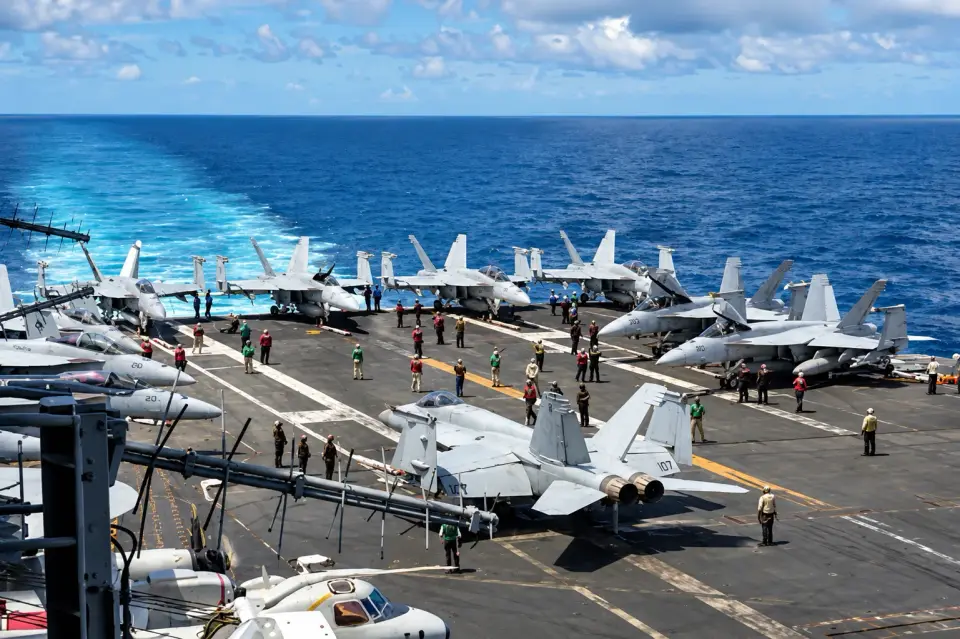
Two Navy Aviators Eject During USS Eisenhower Landing, Four Injured
29 Sept 2026
Transport Aviation
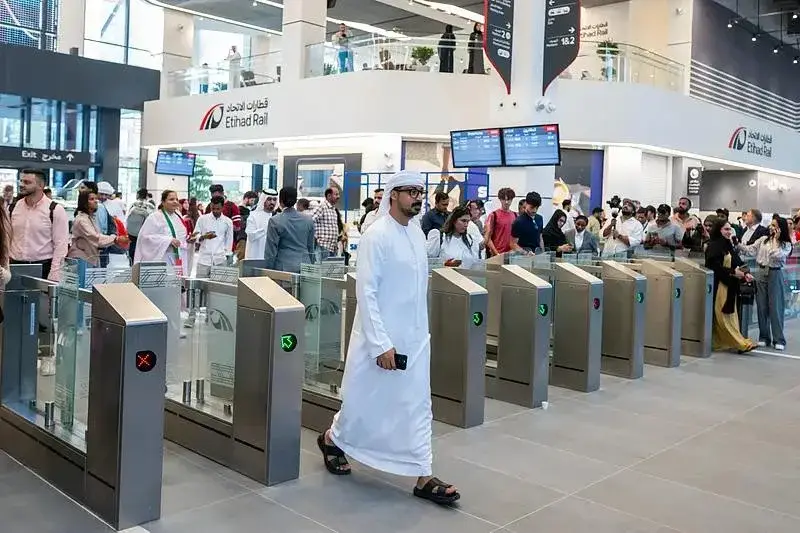
UAE Opens Bookings for Historic Dubai–Abu Dhabi Etihad Rail Service
23 Sept 2026

Transport Aviation
RwandAir Hit with ₦15 Million NCAA Penalty Over Passenger’s Damaged Bag
13 Sept 2026

Transport Aviation
Dubai, Abu Dhabi Brace for Cheaper Flights as Wizz Air Resumes Operations
10 Sept 2026
You may also like
Transport Aviation
Dubai Airport Launches 12-Second Mobile Immigration Service
7 Sept 2026

Transport Aviation
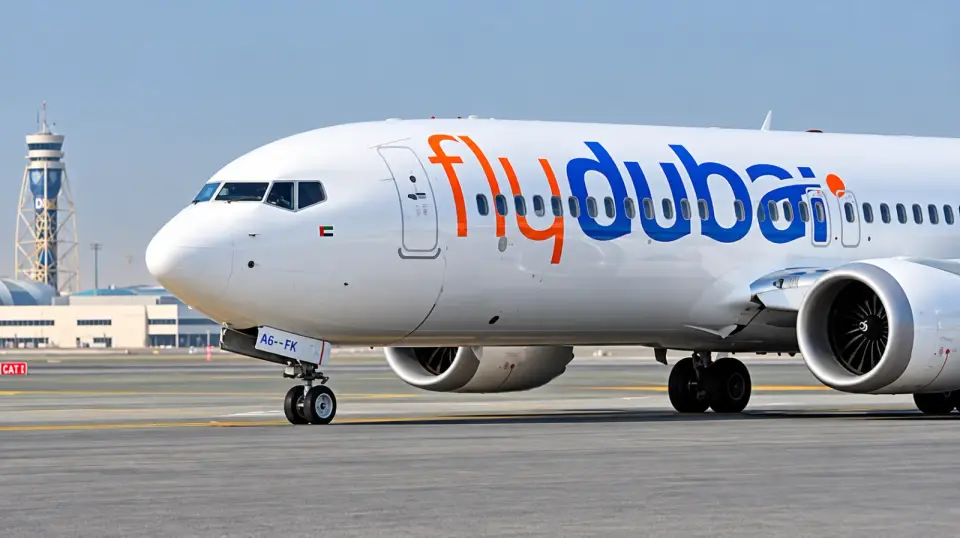
Indian Flydubai Pilot Says He Fought to Save 174 Passengers
2 Oct 2026
Transport Aviation
Israel-Bound Flydubai Flight Diverts to Saudi Arabia After Mid-Air Cockpit Altercation
30 Sept 2026

Transport Aviation
Enugu Air Goes International With Non-Stop Enugu–Douala Flights
21 Sept 2026

Transport Aviation
Abuja Rail Network to Connect Kaduna, Zaria, Kano, Daura and Katsina
16 Sept 2026
Transport Aviation
News Helicopter Crashes in Los Angeles Commercial Area, Killing At Least Three
16 Sept 2026