
Dubai Airport Launches 12-Second Mobile Immigration Service
Dubai has unveiled a mobile immigration service that allows eligible passengers to clear passport control in as little as 12 seconds using biometric technology.
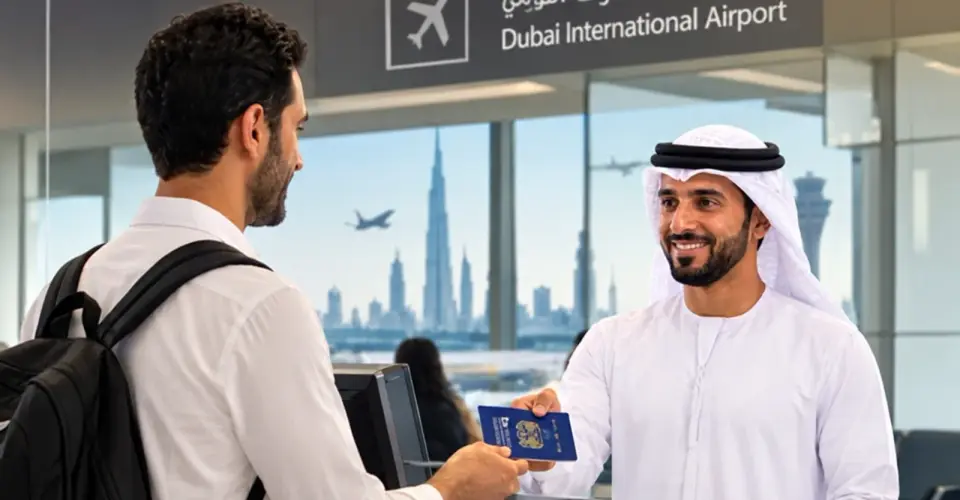
Dubai has launched a new mobile immigration service at its international airport, enabling eligible travellers to complete passport control in as little as 12 seconds without stopping at a traditional immigration counter.
The service, introduced by Dubai’s General Directorate of Identity and Foreigners Affairs (GDRFA) in partnership with airport authorities, is designed to speed up arrivals by combining biometric facial recognition with a mobile, officer-assisted clearance system. Rather than directing passengers to fixed immigration booths, trained officers equipped with smart mobile devices can verify identities while travellers continue moving through designated arrival areas.
Officials say the initiative is part of Dubai’s broader ambition to create one of the world’s fastest and most seamless airport experiences. The new system complements the emirate’s existing Smart Gates, which already use biometric verification for many residents and registered visitors, but extends flexibility by allowing immigration processing beyond stationary checkpoints.
According to the GDRFA, the technology relies on encrypted biometric matching linked to official travel records, allowing identity verification to be completed within seconds while maintaining security standards. Authorities stressed that the rollout will initially apply to eligible categories of travellers, with wider expansion expected as the programme develops.
Dubai International Airport remains one of the busiest global aviation hubs, handling tens of millions of passengers annually. As international travel continues to rebound, reducing congestion at immigration has become a major priority for airports competing on passenger experience, particularly during peak holiday and business travel periods.
The latest innovation follows a series of digital border initiatives introduced across the UAE, including biometric boarding, contactless check-in and AI-assisted passenger processing. Together, they reflect a wider strategy of integrating advanced identity technology into every stage of the travel journey while reducing waiting times for legitimate travellers.
Beyond convenience, the 12-second immigration service signals how border control is evolving from static inspection desks to intelligent, mobile verification. If successfully expanded, Dubai’s model could influence how major international airports balance tighter security with faster passenger movement in the next generation of global air travel.
Transport Aviation
Dubai Airport Launches Five-Minute International Driving Licence Service
14 Sept 2026
Transport Aviation
Dubai International Retains Global Aviation Crown With 8.68m September Seats
31 Aug 2026
Transport Aviation
UAE Opens Bookings for Historic Dubai–Abu Dhabi Etihad Rail Service
23 Sept 2026

Transport Aviation
Dubai Airports Faced 111 Threat Alerts, 17 Missile Strikes During War, Says CEO
11 Sept 2026

Transport Aviation
Dubai, Abu Dhabi Brace for Cheaper Flights as Wizz Air Resumes Operations
10 Sept 2026
You may also like

Transport Aviation
Dubai Renames Onpassive Metro Station as Garmin in 10-Year Deal
7 Sept 2026

Transport Aviation
Five Killed in Amazon Cargo Plane Crash at Miami Airport
7 Sept 2026

Transport Aviation
21 Air Cargo Jet Crashes After Runway Overrun in Miami, Killing Five
9 Sept 2026

Transport Aviation
Emirates Unveils World’s First Electric Premium Economy Seat with Full-Height Privacy Screen
4 Sept 2026

Transport Aviation
Etihad Rail Crosses 100,000 Tickets as UAE Embraces Intercity Train Travel
31 Aug 2026

Transport Aviation
Two Navy Aviators Eject During USS Eisenhower Landing, Four Injured
29 Sept 2026