
African Journalists Seek Deeper China Media Cooperation as AI Reshapes Newsrooms
African media professionals are calling for deeper China-Africa newsroom cooperation as AI and digital platforms reshape journalism.
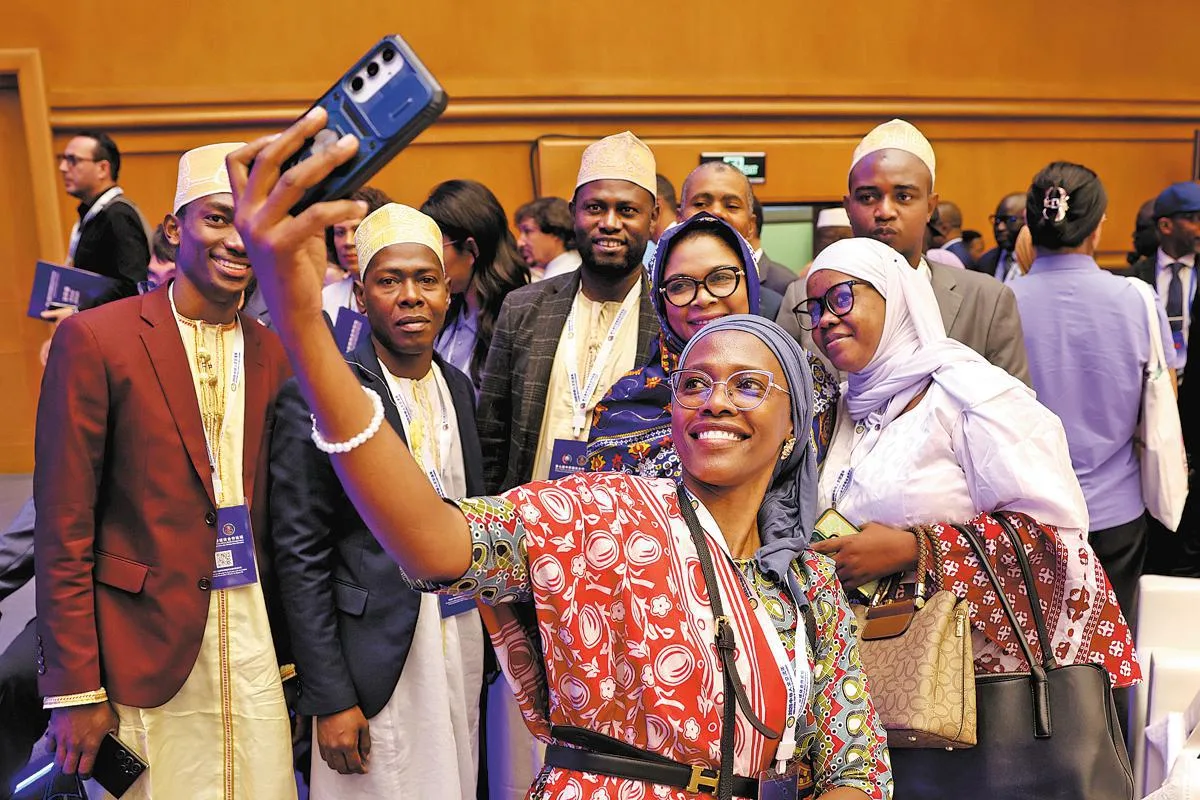
African media professionals are calling for a more practical and balanced form of cooperation with Chinese counterparts, arguing that stronger newsroom exchanges, joint production and technology partnerships could help both sides tell more nuanced stories about China-Africa relations.
The call came during the 7th China-Africa Media Cooperation Forum, held in Beijing, where about 400 representatives from China and 45 African countries gathered to discuss the future of broadcasting, digital media and audiovisual cooperation. The meeting was held against the backdrop of 70 years of China-Africa diplomatic relations and the 2026 China-Africa Year of People-to-People Exchanges.
For African participants, the argument was not simply for more media exchanges, but for cooperation that gives African journalists a stronger role in producing and shaping stories about the continent.
Nigerian journalist Michael Onjewu said stronger media collaboration could help audiences better understand what is happening in the China-Africa relationship and reduce the influence of negative stereotypes. His comments reflected a wider call at the forum for African and Chinese media organizations to move towards more two-way storytelling rather than relying primarily on one side to frame the narrative.
That emphasis was also reflected in the forum's discussions around joint production. Participants called for greater cooperation in content creation, translation and distribution, including new formats such as short-form video and micro-dramas. The forum's joint declaration also called for expanded exchanges among journalists, broadcasters and young media professionals.
Technology was another major part of the conversation. Artificial intelligence is rapidly changing how newsrooms research, write, edit, translate and distribute content, and African media professionals at the forum said access to affordable AI tools could create new opportunities for smaller news organizations.
Zimbabwean political commentator Derek Goto pointed to the accessibility of AI models such as DeepSeek as an example of how lower-cost technology could help African newsrooms with research and scripting. But the enthusiasm came with an important qualification: AI can make journalism faster, but it does not remove the need for human judgement, verification and editorial responsibility.
Ugandan journalist Raziah Athman said AI raises questions about credibility, governance and the future role of journalists, arguing that technology should not replace the human element of journalism. Her position reflects one of the central tensions facing newsrooms globally: how to use AI to improve productivity without allowing speed and automation to weaken accuracy or public trust.
The forum also placed attention on social media as a new channel for China-Africa communication. African journalists visiting Chinese social-media platform Rednote said such platforms could provide direct access between audiences, businesses and creators on both sides.
That could have implications beyond journalism. Athman argued that platforms connecting Chinese and African users could also create opportunities for businesses and young people seeking access to each other's markets. The potential is particularly significant as African consumers and entrepreneurs increasingly use social platforms not only for entertainment but also for commerce, networking and discovery.
The cooperation agenda builds on commitments already made under the Forum on China-Africa Cooperation. China's 2025–2027 Beijing Action Plan includes support for African media training, audiovisual infrastructure, joint productions, programme exchanges, technical cooperation and exchanges between Chinese and African new-media professionals.
The latest forum suggests that the relationship is now moving into a more technology-driven phase. Organisers said 80 China-Africa audiovisual cooperation outcomes were presented, while the forum's discussions covered content innovation, technology cooperation, trade-related media services and the application and governance of AI in broadcasting.
For African newsrooms, however, deeper cooperation will have to be judged by what it produces in practice. Training programmes, equipment and access to new platforms can strengthen media capacity, but meaningful cooperation also requires editorial independence, credible reporting, local expertise and opportunities for African journalists to shape narratives rather than simply distribute content produced elsewhere.
That distinction will become increasingly important as China-Africa relations expand across trade, infrastructure, technology, education and critical minerals. Media organisations on both sides will inevitably play a role in explaining those developments to the public, making the quality and diversity of coverage part of the relationship itself.
The broader significance is that China-Africa media cooperation is moving from traditional exchanges towards a contest over technology, storytelling and audience access. If African and Chinese journalists can build genuine two-way partnerships, joint productions and responsible AI practices, the relationship could produce richer coverage that reflects perspectives from both sides. But the success of that model will ultimately depend on whether cooperation creates more room for independent African voices — not simply more channels for existing narratives.
More on Asia
Asia
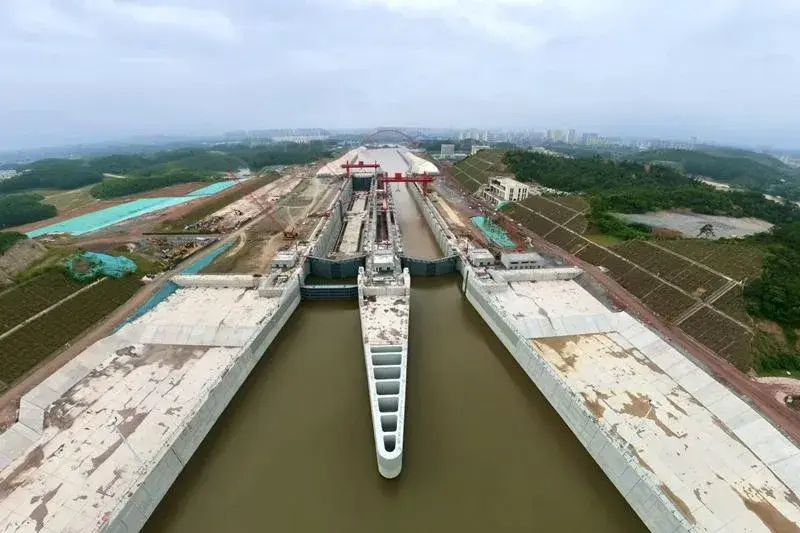
China Opens 134-km Pinglu Canal to Boost ASEAN Trade Connectivity
17 Sept 2026
Asia
China Raises Pressure on US with Sanctions and Drone Curbs Ahead of Xi Visit
5 Aug 2026

Asia
China’s Pony.ai Targets Global Robotaxi Expansion as Revenue Jumps 691%
31 Aug 2026

Asia
Chinese Militia Boat Spotted Off Taiwan’s East Coast for First Time
8 Oct 2026
Asia
In Pakistan, Solar Panels Are Becoming the New Wedding Dowry
1 Oct 2026
You may also like

Asia
India Keeps Judicial First Approach for Foreign Investment Claims
26 Sept 2026
Asia
Singapore Bus Passengers Face S$500 Fines for Loud Music, Feet on Seats
23 Sept 2026
Asia
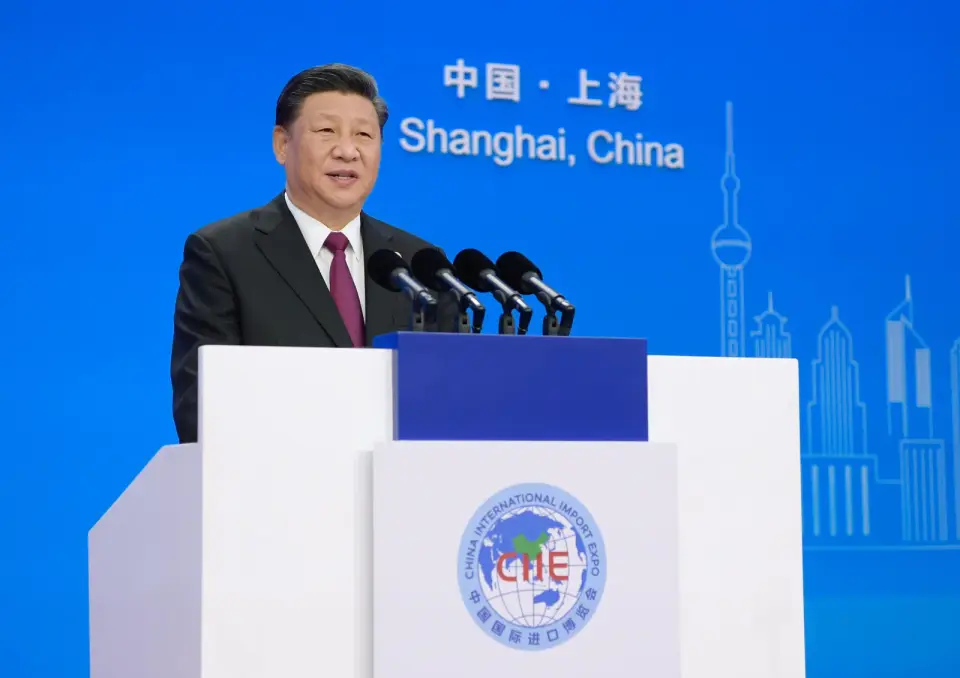
Xi Jinping to Lead Top Chinese Business Delegation on US Visit
20 Sept 2026
Asia
Indonesia Receives First Aircraft Carrier as Prabowo Accelerates Military Modernisation
19 Sept 2026
Asia
Three Students Die in Philippine School Shooting, Including 16-Year-Old Gunman
18 Sept 2026

Asia
Seventh Baby, Millions of Views: Japan’s Viral Mother Rekindles Birth Rate Debate
8 Sept 2026