
₦10bn Showdown: El-Rufai Sues ICPC Over Alleged Blocked Family Visits
Former Kaduna State Governor Nasir El-Rufai has filed a fresh ₦10 billion lawsuit against the ICPC, alleging that he was denied access to his wife and son while in custody.
Former Kaduna State Governor Nasir El-Rufai has filed a fresh ₦10 billion fundamental rights suit against the Independent Corrupt Practices and Other Related Offences Commission (ICPC), accusing the anti-graft agency of repeatedly preventing his wife and son from visiting him while he remains in custody.
The suit, filed at the Federal High Court in Abuja on August 13, names the ICPC, its chairman and the Attorney-General of the Federation as defendants. El-Rufai is asking the court to declare that his constitutional rights remain enforceable despite his detention and to order the commission to provide him with reasonable access to his family and lawyers.
At the centre of the dispute is an alleged breakdown in the arrangements governing family visits to the former governor. In court documents, El-Rufai claims that his wife, Aichatou Asabe, and his son, Abba El-Rufai, were prevented from seeing him and that ICPC officers physically restrained and intimidated them during an incident on July 7.
He further alleges that the restrictions affected his ability to receive food, medication and other personal necessities from his family. His legal team argues that the alleged treatment violated protections relating to human dignity and private and family life under Nigeria's Constitution and the African Charter on Human and Peoples’ Rights.
The former governor is seeking nine separate remedies from the court, including a declaration that the continued denial of family access without lawful justification or a court order is unconstitutional. He is also seeking ₦10 billion in compensation for what he describes as violations of his fundamental rights, as well as an order guaranteeing reasonable access to his family and counsel during his detention.
The case comes against the backdrop of an earlier court order concerning El-Rufai's detention. According to the affidavit supporting the new application, the Federal High Court in Kaduna directed the ICPC in April to allow El-Rufai and other defendants access to their lawyers and personal physicians whenever necessary. His representatives now argue that subsequent restrictions have undermined those protections.
The ICPC, however, disputes the central allegation.
Its spokesperson, John Odey, told Blueprint that the commission had never denied El-Rufai's family access in accordance with the relevant court order. He said he did not have details of the new lawsuit but maintained that family access had been granted.
That conflicting account means the latest development is now as much a legal dispute over the conditions of detention as it is another chapter in the wider case involving the former governor.
El-Rufai's latest action also underscores how the legal battles surrounding his detention continue to expand beyond the allegations being investigated by the anti-corruption authorities. His earlier challenges have included disputes over the search of his residence and the seizure and examination of electronic devices by the ICPC.
The new suit places the rights of detainees and the limits of investigative powers squarely before the courts. While anti-corruption agencies have broad responsibilities to investigate suspected wrongdoing, those powers operate within a legal framework that also protects the dignity, health, legal representation and family rights of people in custody.
For now, none of El-Rufai's allegations in the latest suit has been established by a final judgment. The court will have to weigh his claims against the ICPC's position and determine whether the alleged restrictions amounted to unlawful interference with his fundamental rights.
The dispute therefore reaches beyond one former governor and one anti-corruption agency. It raises a broader question about how Nigeria balances aggressive criminal investigations with the constitutional rights of people who have not yet had their cases finally determined by the courts.
More on Nigeria

Nigeria
Soludo Endorses Tinubu for 2027 During First Lady’s Awka Reception
12 Sept 2026

Nigeria
Peter Mbah Unveils 10,000+ Milestones Compendium as Enugu Transformation Accelerates
10 Sept 2026
Nigeria
Nigerian UN Envoy Rejects Claims of US Restrictions on Tinubu’s UNGA Trip
7 Sept 2026
Nigeria
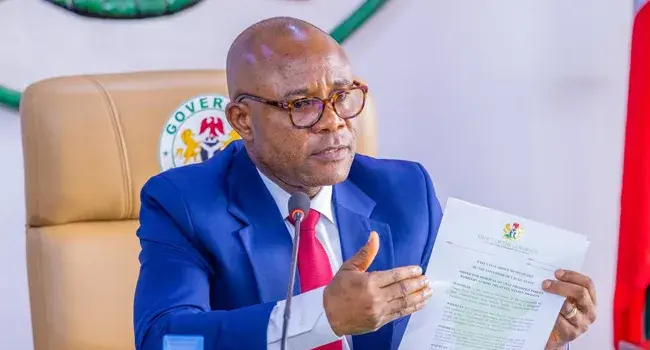
Enugu Clarifies Controversial Sale Reports: ‘We’re Not Selling State Institutions’.
27 Aug 2026
Nigeria
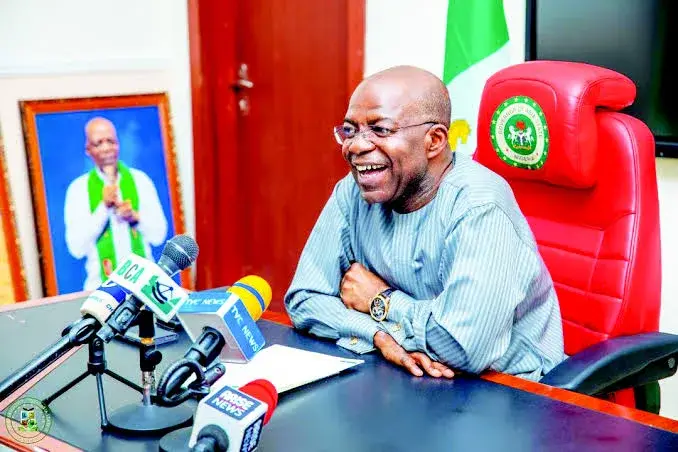
Abia Begins Clearing N61.8bn Gratuity Backlog, Targets 2031
26 Aug 2026
You may also like
Nigeria
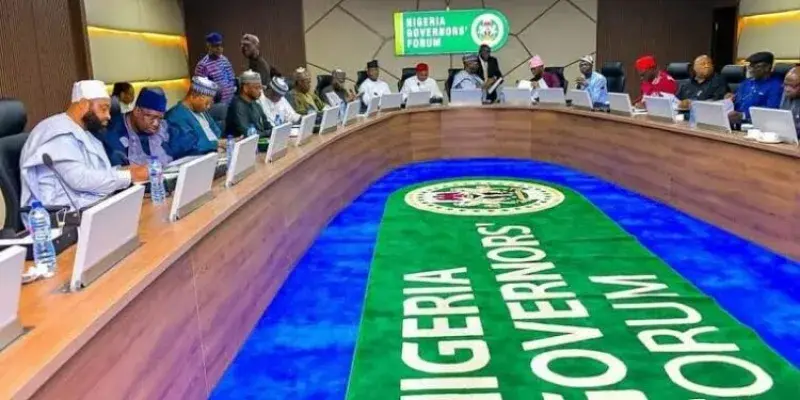
Nigerian Governors Spend ₦512bn on Offices and Travel in Six Months
26 Aug 2026
Nigeria
‘No Victory Is Worth a Life’: Obi Congratulates Adeleke, Condemns Osun Election Bloodshed
18 Aug 2026
Nigeria
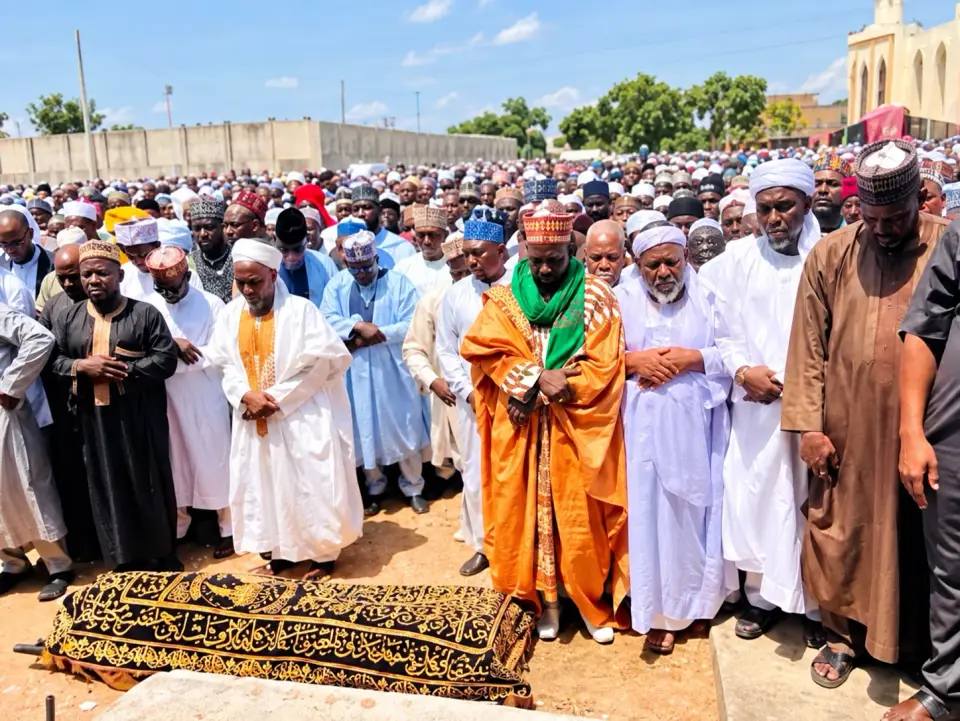
Yola Hosts Thousands as Elder Statesman Bamanga Tukur Is Buried
13 Sept 2026
Nigeria
Four Rescued, One Feared Dead as Uncompleted Building Collapses in Enugu
13 Sept 2026
Nigeria
Dozens Feared Dead After Explosion at Suspected Illegal Oil Refinery in Rivers
4 Sept 2026
Nigeria
FG Begins Demolition of Carter Bridge as ₦548.98bn Replacement Project Moves Ahead
25 Aug 2026