
US Awards $125,000 to Preserve Enugu’s Ancient Lejja Iron-Smelting Heritage
The funding comes at a time when researchers are gaining a clearer picture of the scale and antiquity of iron production at Lejja.
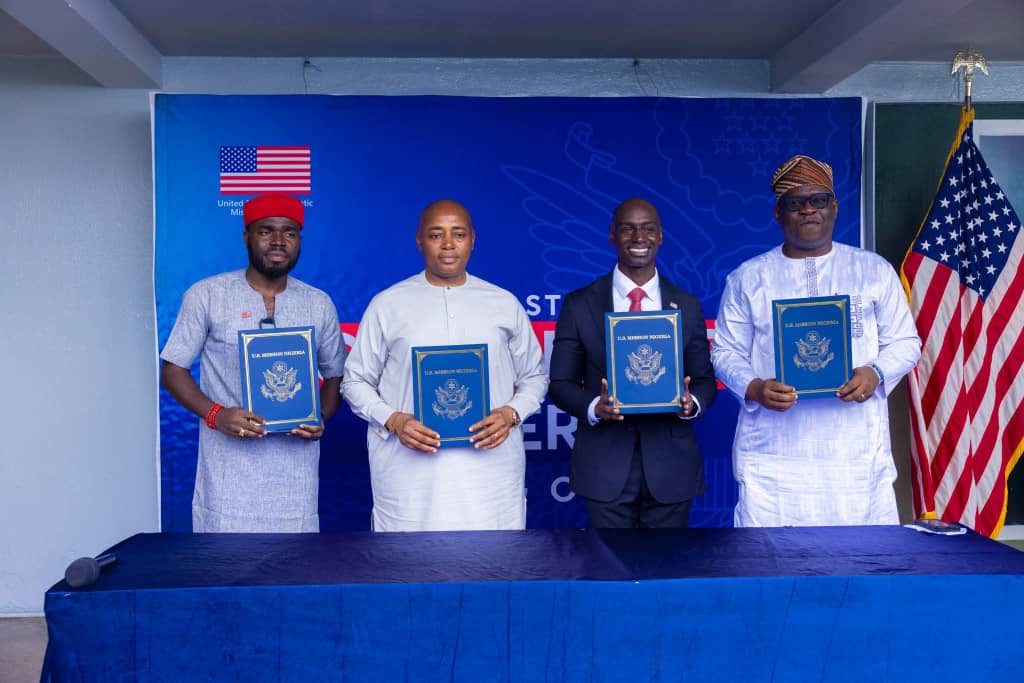
The United States has awarded a $125,000 grant to support the preservation of the historic Lejja Iron-Smelting Site in Enugu State, bringing fresh international attention to one of southeastern Nigeria’s most significant archaeological landscapes.
The grant, presented by the US Consulate in Lagos through the Ambassadors Fund for Cultural Preservation (AFCP), is going to the Centre for Memories, an Enugu-based cultural institution that will work on preserving the Lejja site and strengthening public understanding of its historical importance.
The funding comes at a time when researchers are gaining a clearer picture of the scale and antiquity of iron production at Lejja. A 2024 study published in npj Heritage Science documented 16 archaeological sites across 13 villages in the Lejja area, identifying evidence of iron-working, habitation and ancestral activity. The researchers described the area as having significant archaeological potential and found evidence indicating that iron smelting had been taking place there for more than 2,000 years, with the possibility of even earlier activity still under investigation.
Lejja, in the Nsukka area of Enugu State, is not simply an isolated furnace site. Archaeological surveys have identified a wider cultural landscape containing iron-smelting remains alongside evidence of settlements and other aspects of community life. Researchers say the concentration of iron-working evidence provides an opportunity to better understand early metal production, technology, trade and social organization in southeastern Nigeria.
The historical importance of the site has long been recognized in Nigeria. Earlier government documentation identified the Lejja iron-smelting site among Enugu State's cultural assets requiring preservation, while archaeological research has continued to examine the technology and chronology of iron production in the area. Some earlier claims placed the origins of Lejja's iron smelting much further back in time, but more recent research has cautioned that some of the oldest proposed dates remain contested.
The US funding also builds on a broader American-Nigerian partnership around cultural heritage. In 2022, the United States and Nigeria signed a bilateral cultural property agreement aimed at strengthening cooperation on the preservation of Nigerian archaeological and cultural resources, while also addressing the trafficking and illicit movement of cultural objects. The US State Department said at the time that American-supported heritage projects in Nigeria had already exceeded $1 million over the preceding decade.
For Enugu, the Lejja project could have significance beyond archaeology. Proper conservation can help transform a largely underdeveloped heritage asset into a destination for researchers, students and visitors, while creating opportunities for cultural tourism and local enterprise. But that potential will depend on how the grant is deployed, how the surrounding communities are involved and whether preservation is matched by long-term protection of the archaeological landscape.
The challenge is particularly important because archaeological sites can be damaged not only by deliberate destruction but also by erosion, development and the gradual loss of local knowledge. The recent research at Lejja itself underscores how much remains to be documented: scholars found evidence across a broad landscape while noting that systematic archaeological investigation of the area has historically been limited.
The $125,000 grant therefore represents more than a financial contribution to an old archaeological site. It places Lejja within a wider international conversation about Africa's technological and cultural history, at a time when Nigeria is increasingly looking to heritage as both a source of historical knowledge and an economic resource. If the project succeeds in protecting the site while making its story accessible to Nigerians and the wider world, Lejja could become an important example of how preserving the past can help shape the future.
More on Nigeria
Nigeria
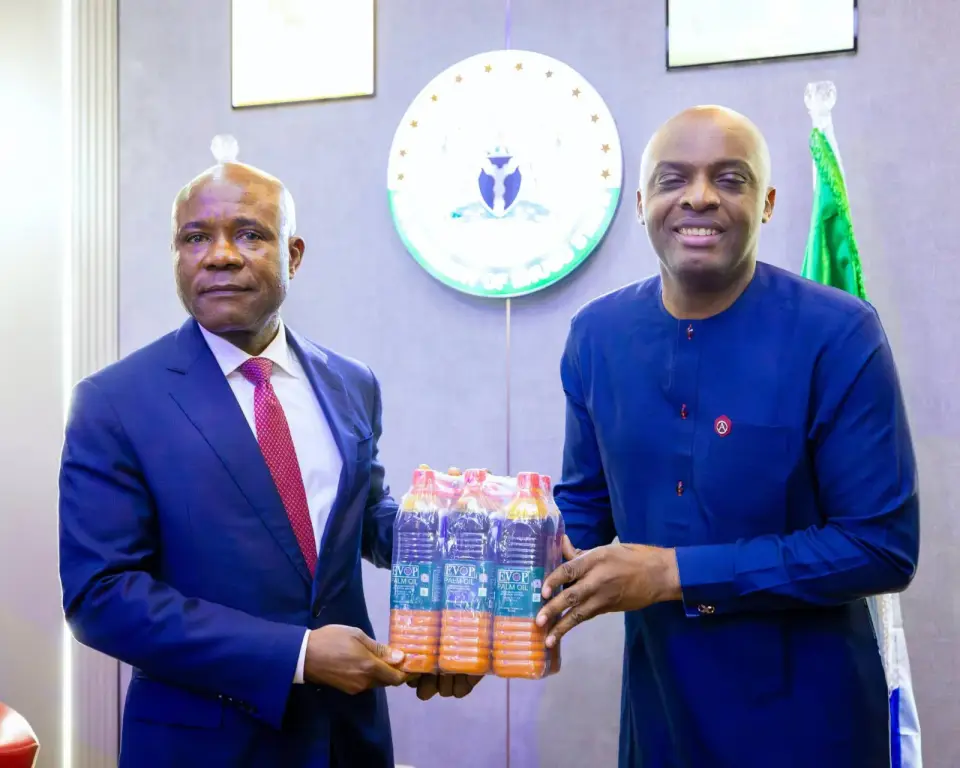
Enugu United Palm Products Begins Commercial Production, Invests $2.2m in Refinery
9 Sept 2026
Nigeria
Four Rescued, One Feared Dead as Uncompleted Building Collapses in Enugu
13 Sept 2026

Nigeria
Peter Mbah Unveils 10,000+ Milestones Compendium as Enugu Transformation Accelerates
10 Sept 2026
Nigeria
Enugu Clarifies Controversial Sale Reports: ‘We’re Not Selling State Institutions’.
27 Aug 2026
Nigeria
FG Endorses Bonny Island as Nigeria’s Next Major Tourism Destination.
20 Aug 2026
You may also like
Nigeria
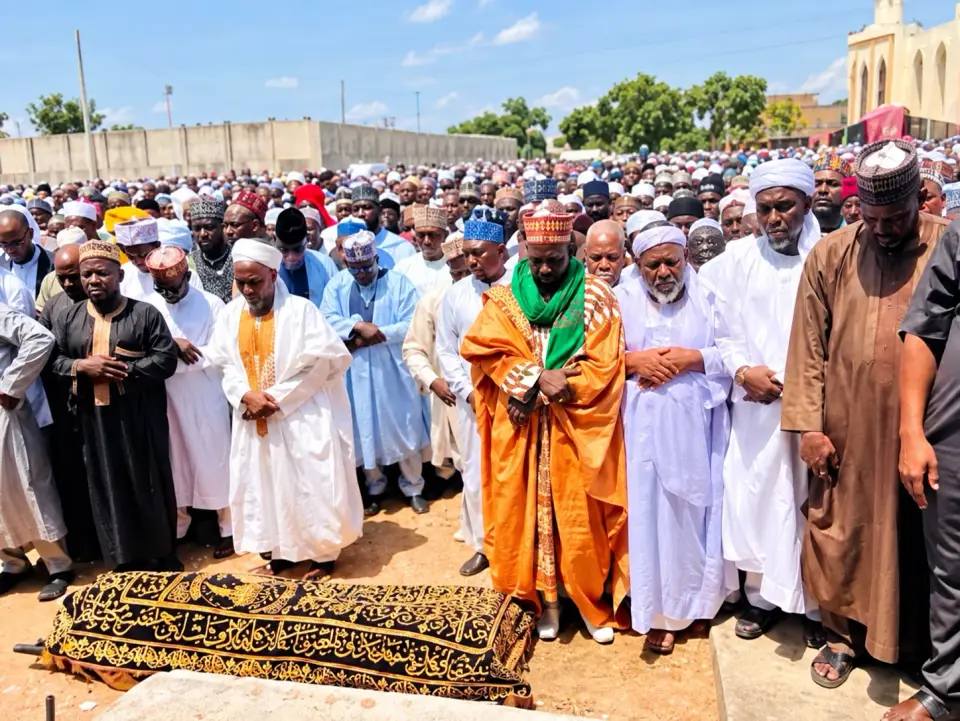
Yola Hosts Thousands as Elder Statesman Bamanga Tukur Is Buried
13 Sept 2026
Nigeria
Nigeria Reaffirms Support for WTO, Multilateralism at BRICS Summit
13 Sept 2026

Nigeria
Soludo Endorses Tinubu for 2027 During First Lady’s Awka Reception
12 Sept 2026
Nigeria
Oluremi Tinubu Honoured in Imo as Oso Di Eme I During Official Visit
10 Sept 2026
Nigeria
US Embassy Ends Routine Visa Processing in Abuja, Designates Lagos as Nigeria’s Visa Hub
8 Sept 2026
Nigeria
Nigeria’s Non-Crude Exports Overtake Crude as Trade Surplus Soars
8 Sept 2026