
UK Inflation Hits 3.1% as Stable Underlying Prices Ease Pressure on Bank of England
UK inflation rose to 3.1% in August, but stable core and services inflation have given the Bank of England some reassurance ahead of its next interest rate decision.
The United Kingdom’s annual inflation rate climbed to 3.1% in August, a modest increase that reinforces the country’s uneven battle against rising prices while offering policymakers some reassurance that the deeper drivers of inflation are beginning to stabilize.
The latest figures showed headline inflation moving higher from the previous month, driven largely by increases in energy-related costs and other volatile components. However, measures closely watched by the Bank of England (BoE), including core inflation and services inflation, were broadly stable, suggesting that underlying domestic price pressures are no longer accelerating at the pace seen during the UK’s inflation crisis.
Why 3.1% matters
Although inflation has fallen dramatically from the double-digit peaks recorded in 2022 and 2023, it remains above the Bank of England’s 2% target. The latest reading means households are still experiencing rising living costs, even if the pace of price growth is considerably slower than it was during the height of the cost-of-living crisis.
Economists say the steadier underlying measures may prove more significant than the headline increase. Core inflation, which excludes volatile food and energy prices, is often viewed as a better indicator of persistent inflationary pressure, and its relative stability could reduce the urgency for further monetary tightening.
Bank of England faces a delicate balancing act
The inflation report arrives just days before the Bank of England’s next policy meeting, where officials must decide whether to keep interest rates unchanged or begin considering further easing as economic growth remains subdued.
Markets have increasingly focused on whether the central bank can support the economy without allowing inflation to become entrenched again. Stable services inflation, in particular, has been interpreted by analysts as a sign that wage-driven domestic inflation may be gradually moderating.
Households still feeling the squeeze
For consumers, the improvement is unlikely to translate into immediate relief. Food, housing and everyday services remain significantly more expensive than they were just a few years ago, meaning many families continue to face higher monthly expenses despite slower inflation.
Businesses are also navigating a mixed environment, with borrowing costs still elevated and consumer spending showing signs of caution as confidence slowly recovers.
The latest inflation figures underline the difficult final stage of the UK’s post-pandemic economic recovery. While the return toward price stability is encouraging, the Bank of England’s challenge is now shifting from defeating inflation to sustaining growth without reigniting it, a balancing act that will shape Britain’s economic outlook in the months ahead.
More on Business

Business
CBN Cuts MPR to 23% From 26.5% as MPC Signals Major Policy Shift
22 Sept 2026
Business
U.S. Federal Reserve Hikes Rates to 3.75%–4.00% as Inflation Persists
17 Sept 2026
Business
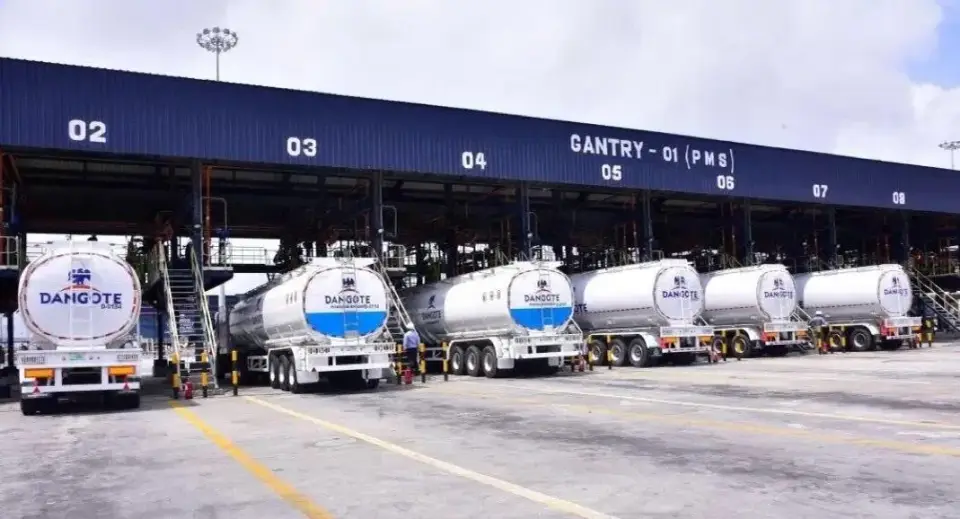
Dangote Refinery Cuts Petrol Price to ₦1,325 Per Litre
22 Sept 2026
Business
Dubai Gold Prices Hold Steady as 21K Trades at Dh400.5 Per Gram
18 Sept 2026

Business
Nigeria’s Biggest Banks Ease FX Pressure With Higher Naira Card Dollar Limits
7 Sept 2026
Partner with Follow Global Trends
Display banners, sponsored stories and founder spotlights.
You may also like

Business
Bumble Agrees to $1.3 Billion Buyout as Revenue and Paying Users Fall
14 Oct 2026

Business
Dangote Refinery IPO Draws Trillions in Investor Interest as Offer Gets Two-Week Extension
13 Oct 2026

Business
Tony Elumelu Expands Seplat Energy Stake With £53.2m Share Purchase
5 Oct 2026

Business
Amazon AWS to Invest More Than $1 Billion in US Data Centre Communities Over Five Years
3 Oct 2026
Business
GM Sales Slow as U.S. EV Demand Weakens in Third Quarter
30 Sept 2026
Business
Dangote Refinery Pushes Nigeria’s Petrol Imports Down as Local Supply Hits 71%
26 Sept 2026