
Dangote Refinery Pushes Nigeria’s Petrol Imports Down as Local Supply Hits 71%
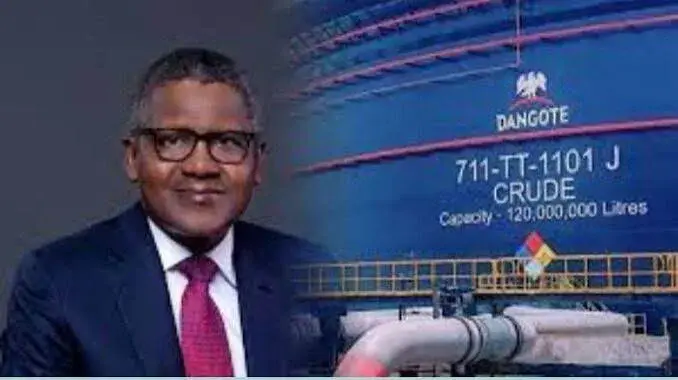
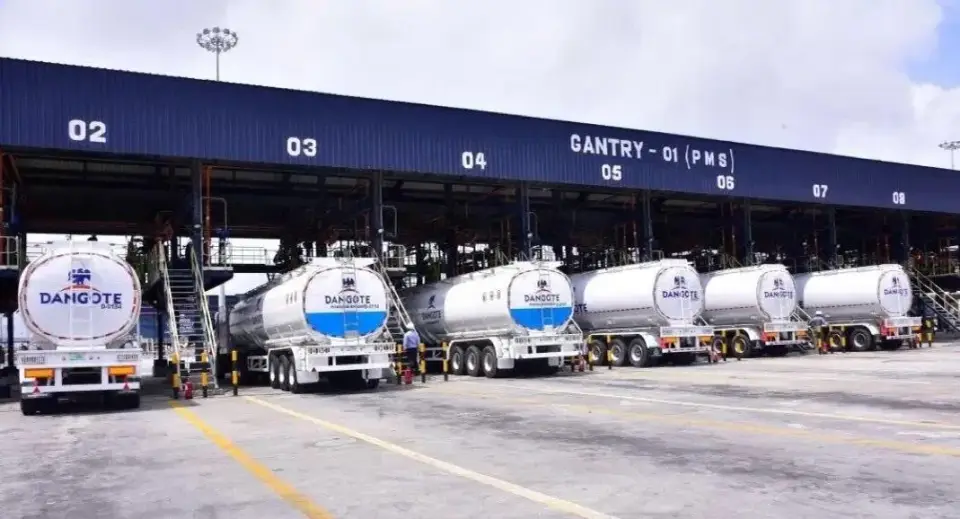
Nigeria’s dependence on imported petrol has fallen sharply as the Dangote Refinery now supplies 71% of the country’s gasoline demand, signalling a major shift in the nation’s downstream energy market.
Industry figures indicate that domestic supply has risen steadily since the refinery ramped up gasoline production, dramatically reducing the volume of imported fuel required to meet national consumption. Analysts say the refinery’s growing output has altered trading patterns, with marketers increasingly sourcing products locally rather than relying on overseas suppliers.
With a refining capacity of 650,000 barrels per day, the Lagos-based facility is the largest single-train refinery in Africa and one of the largest in the world. The refinery has gradually expanded production across diesel, aviation fuel and petrol, while also beginning exports to regional markets across West Africa.
The rise in local supply is expected to generate significant economic benefits beyond fuel availability. Reduced petrol imports lower demand for foreign currency, ease pressure on Nigeria’s balance of payments and strengthen energy security by shortening supply chains that previously depended on international shipping and overseas refineries.
Government officials have consistently argued that expanding domestic refining is central to Nigeria’s broader economic diversification strategy. The emergence of Dangote as the country’s dominant petrol supplier also aligns with efforts to liberalize the downstream market and improve efficiency following the removal of petrol subsidies.
The refinery’s growing market share is reshaping competition among fuel marketers and importers. Companies that traditionally relied on imported products are increasingly adjusting procurement strategies as locally refined petrol becomes more widely available, while regional buyers are also looking to Nigeria as an emerging source of refined petroleum products.
Energy analysts caution that sustaining the momentum will depend on reliable crude supply, efficient distribution infrastructure and continued improvements in logistics across the country. They note that while imports have declined substantially, maintaining consistent nationwide supply will require stronger pipeline networks, storage capacity and transportation systems.
The shift is widely regarded as a turning point for Nigeria’s energy economy. A country that long exported crude while importing much of its petrol is steadily moving toward self-sufficiency in refined fuels, with the Dangote Refinery emerging as the cornerstone of a new domestic refining era that could reshape both Nigeria’s economy and West Africa’s petroleum trade.
More on Business
Business
Dangote Refinery Strengthens Balance Sheet as Debt Falls to ₦7.9tn
10 Sept 2026

Business
Dangote Says Banks’ Systems Crashed Minutes After Refinery IPO Opened
21 Sept 2026
Business
Dangote Refinery IPO Draws Trillions in Investor Interest as Offer Gets Two-Week Extension
13 Oct 2026
Business
Dangote Refinery’s Profit Soars to $4.7bn as ₦2.15tn IPO Deadline Moves to October 27
13 Oct 2026

Business
Nigeria Seals Three US Mining Investment Deals Across Technology, Energy and Security
28 Sept 2026
Partner with Follow Global Trends
Display banners, sponsored stories and founder spotlights.
You may also like
Business
Davido, Dangote Take Refinery IPO Global With Times Square Billboard Campaign
24 Sept 2026
Business
Dangote Refinery Cuts Petrol Price to ₦1,325 Per Litre
22 Sept 2026
Business
Peter Obi Endorses Ongoing Dangote Refinery IPO, Calls for Citizen Investment
18 Sept 2026
Business
Dangote Refinery Signs ₦2.15tn IPO, Targets 10 Million Investors
8 Sept 2026
Business
GM Sales Slow as U.S. EV Demand Weakens in Third Quarter
30 Sept 2026
Business
Germany Brings Rheinland-Pfalz Wines to Lagos in Push for West African Market
30 Sept 2026