
UK Defence Spending Plan Maps NATO Targets for 2035
The UK defence spending plan is expected in Wednesday’s budget, Prime Minister Andy Burnham said. It is expected to outline a route to 3% of GDP for defence by 2030 and 3.5% for core defence by 2035, but how the increases will be funded remains unclear.
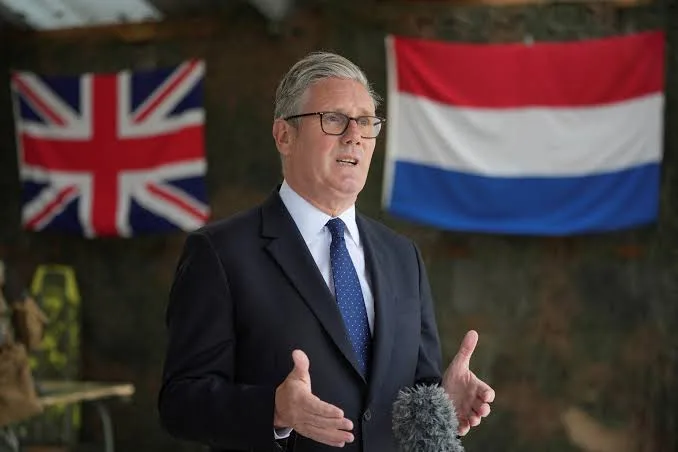
The UK defence spending plan is expected to feature in Chancellor John Healey’s budget on Wednesday, according to Prime Minister Andy Burnham.
Burnham said the budget would outline a path towards Britain’s NATO commitments, including the 2030 and 2035 targets. The detailed allocations and funding sources have not yet been published, so the expected plan should not be treated as a confirmed spending schedule.
What the expected plan may cover Burnham said the budget would set out a route to spending 3% of gross domestic product on defence by 2030, and 3.5% on core defence by 2035.
The 3.5% target comes from NATO’s 2025 Hague agreement. Allies also agreed to account for up to 1.5% of GDP on wider defence and security-related investments, such as infrastructure protection, cyber security and civil preparedness. Together, these categories make up the alliance’s 5% commitment by 2035.
The UK government’s June Defence Investment Plan outlined £298 billion in planned Ministry of Defence investment over four years. Its funding explainer said NATO-qualifying expenditure was projected to reach 2.7% of GDP in 2027–28. That existing plan is not, by itself, a complete funding path to the higher targets now being discussed.
Funding details and timetable remain unsettled The budget is expected to clarify how the government will fund its existing defence commitments. It is not yet clear how much new money, if any, it will allocate towards the proposed 2030 target or the NATO 2035 goal.
The Institute for Fiscal Studies has warned that faster increases would require choices such as spending cuts elsewhere, higher taxes or additional borrowing. The Office for Budget Responsibility has estimated that reaching 3% of GDP in 2029–30 would require a substantial increase in defence spending. Those assessments underline why the budget’s funding details matter.
There has also been a shift in expectations. The Independent reported that Healey had previously indicated the timetable would be set out at a later spending review. Burnham’s latest comments suggest the government now expects the budget to provide a path, but the documents will show exactly what it commits to.
NATO’s 2035 commitment NATO allies agreed in June 2025 to spend at least 3.5% of GDP annually on core defence by 2035. They also agreed to submit annual plans showing a credible, incremental route to that target.
The wider 1.5% category may include spending on resilience and security, but it is distinct from the core defence target. The two figures should not be conflated when assessing whether Britain is meeting its military spending commitment.
The budget is due on Wednesday, October 28. Until its figures and supporting documents are released, the spending path and its funding remain expected, not confirmed.
More on Europe
Europe
Student Protests in Albania Escalate Into Wider Anti-Government Unrest
25 Oct 2026
Europe
France Deploys 70,000 Police as Protests Draw Hundreds of Thousands
24 Oct 2026

Europe
Hitler’s Eagle’s Nest Retreat Nearly Destroyed in Major German Alps Fire
24 Oct 2026
Europe
Bulgaria Emerges as Europe’s Battery Storage Powerhouse
24 Oct 2026
Europe
Macron Hits Back at Trump, Netanyahu Over France Riot Claims
22 Oct 2026
Partner with Follow Global Trends
Display banners, sponsored stories and founder spotlights.
You may also like

Europe
France Votes to Repeal ‘Code Noir’ 178 Years After Abolishing Slavery
21 Oct 2026
Europe
France Sees Relative Calm After Overnight Curfews as Protests Loom
20 Oct 2026
Europe
France Arrests Nearly 2,400 After Nationwide Protests Turn Violent
19 Oct 2026
Europe
Historic French Town Hall Reduced to Ruins as Cost-of-Living Protests Turn Violent
18 Oct 2026
Europe
Police Clash With Protesters Across France as Cost-of-Living Anger Grow
17 Oct 2026

Sports
Harry Kane Beats Mbappe and Yamal to 70th Ballon d'Or
26 Oct 2026