Europe is signalling a stronger willingness to negotiate directly with Russia as diplomatic efforts intensify to end the war in Ukraine.
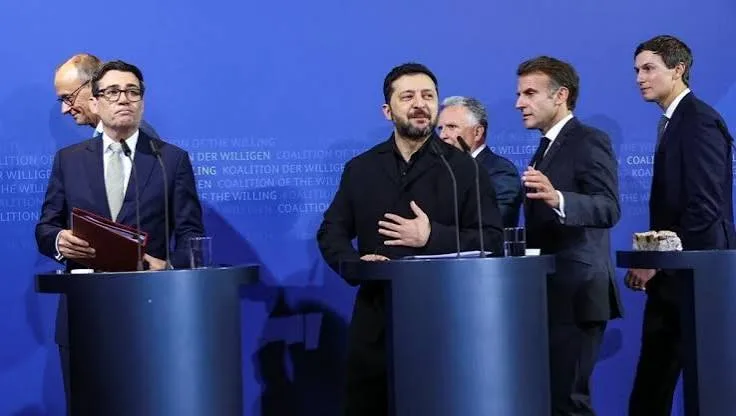
At a gathering in Berlin, European leaders reaffirmed their support for Kyiv while indicating that Europe could participate more directly in future peace negotiations.
The shift comes after Russian President Vladimir Putin invited European representatives to Moscow to explain their positions before Russia decides how further talks should proceed.
However, the diplomatic opening does not mean the parties have agreed on peace terms. Major disagreements remain over Ukraine's security, territory and Europe's future relationship with Russia.
European Leaders Open the Door to Direct Talks
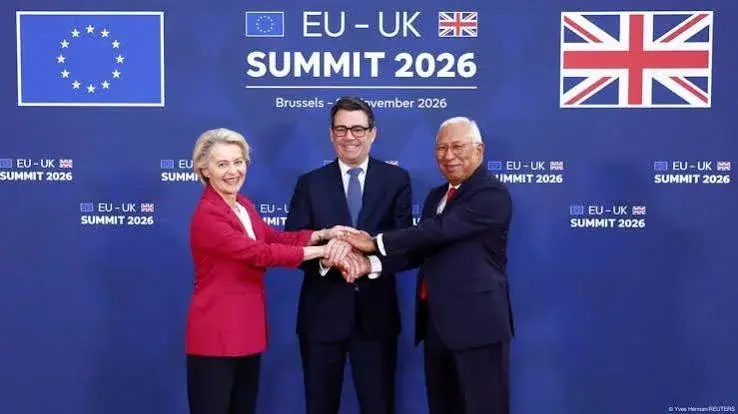
At the Berlin summit of Ukraine's allies, European leaders discussed how to strengthen their role in negotiations involving Russia, Ukraine and the United States.
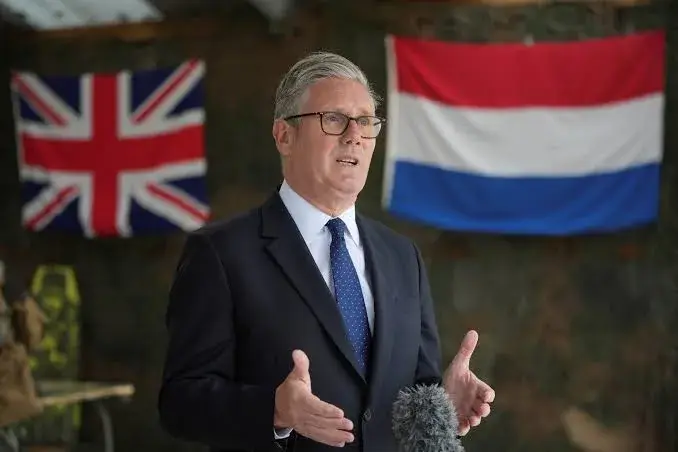
UK Prime Minister Andy Burnham said Europe had developed a united position on negotiations, while German Chancellor Friedrich Merz said Moscow's demands remained unrealistic.
Merz nevertheless indicated that Europe was prepared to hold serious discussions about security, provided the process genuinely sought peace and respected the interests of Ukraine and European countries.
The gathering, known as the Coalition of the Willing, brings together countries supporting Ukraine and discussing security arrangements for a possible future settlement.
European leaders have increasingly argued that decisions affecting the continent's security cannot be made without their participation.
Putin Invites European Representatives to Moscow
Putin said on Thursday that Russia had invited European representatives to Moscow to clarify their positions on Ukraine and European security.
Speaking after meetings involving US President Donald Trump and Chinese President Xi Jinping in Shenzhen, Putin said Washington had been pressing Moscow to accept European participation in the negotiations.
He said Russia was not opposed to European involvement but wanted to understand what European countries would contribute before deciding the format of future discussions.
The invitation marks a potential diplomatic opening, although it does not confirm that a formal meeting between Russia and European leaders has been agreed.
Russia and Ukraine, with US involvement, recently held talks in Abu Dhabi. Those discussions produced a prisoner exchange agreement but no major breakthrough towards ending the war.
Europe Wants Ukraine's Security Protected
European leaders have stressed that negotiations must not leave Ukraine vulnerable to another Russian attack.
Ukrainian President Volodymyr Zelensky has repeatedly called for strong security guarantees, including arrangements comparable to NATO's collective-defence protections.
US envoy Jared Kushner reportedly said Russia was comfortable with guarantees modelled on NATO's Article Five. However, that claim has not been confirmed as an agreed Russian position.
Russia has repeatedly opposed Ukraine's NATO membership, while disagreements remain over territorial demands and the future security arrangements for the country.
European leaders have also rejected proposals that would allow major powers to determine Europe's future without European participation.
Peace Talks Still Face Major Obstacles
Despite renewed diplomatic activity, the prospects for a lasting agreement remain uncertain.
Russia and Ukraine continue to disagree over territory, security guarantees and the conditions required to end hostilities.
European governments have also warned against discussing a broader European security arrangement with Moscow before a ceasefire and meaningful Russian concessions.
The European Union has maintained that Russia must demonstrate genuine willingness to end its aggression and engage in serious negotiations.
The latest signals suggest that Europe may be moving closer to direct diplomatic engagement with Moscow. But whether that opening leads to formal negotiations, a ceasefire or a lasting peace agreement remains unclear.