
Macron Hits Back at Trump, Netanyahu Over France Riot Claims
French President Emmanuel Macron has condemned foreign leaders, including US President Donald Trump, for blaming France’s recent riots on migration, accusing them of spreading misleading claims and exploiting the unrest for political gain.
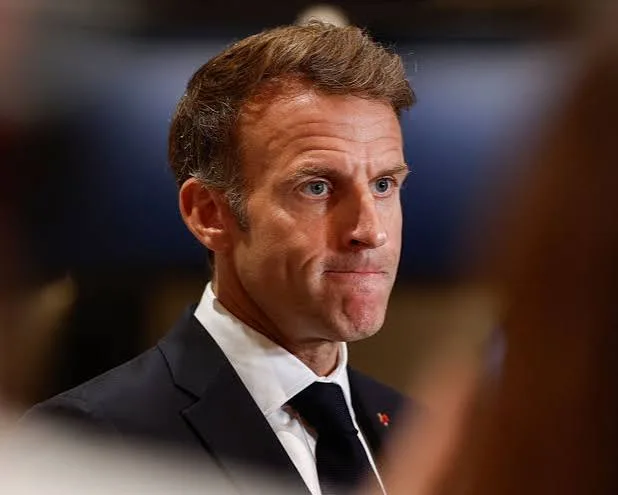
French President Emmanuel Macron has described claims linking France’s recent riots to migration and Islamism as “unacceptable” and “stupid”, pushing back against comments by US President Donald Trump and other foreign leaders that he says distort the causes of the unrest for political purposes.
Speaking to reporters in Doha, Qatar, on Wednesday, October 21, Macron accused some politicians of using France’s domestic troubles to advance their own electoral agendas. He said misleading narratives and artificial intelligence-generated images had circulated following violent incidents during protests over the rising cost of living, creating a false impression that France had been overrun by migrants and Islamists.
Although Macron did not initially name the leaders he was criticizing, he confirmed that Trump was among them when a reporter asked directly. The French president also accused politicians campaigning in their own countries of repeating unverified material and using France’s difficulties to promote their political messages.
Trump had claimed that France was being overwhelmed by migrants, jihadists and other groups, urging Macron to close the country’s borders and take control. The US president used the unrest to reinforce his broader argument against immigration, although the claims that Muslim migrants were responsible for the violence were not supported by publicly established evidence.
Israeli Prime Minister Benjamin Netanyahu also weighed in, describing the situation in France as an “invasion of extremist Islam”. His comments added to a wider international debate over whether migration and religious extremism were responsible for the disturbances. Macron rejected that interpretation, arguing that foreign politicians were amplifying misleading accounts rather than accurately reflecting what had happened on French streets.
The unrest followed demonstrations over economic pressures, including the rising cost of living and concerns about public services. Many participants joined peaceful marches organized by unions, students and protest movements, but some gatherings were followed by looting, clashes with police and damage to property in Paris and other cities. The violence shocked the country and prompted authorities to prepare additional security measures ahead of further planned demonstrations.
The causes and responsibility for the violence have become contested. While Trump and Netanyahu emphasized migration and Islamism, reporting by the Associated Press found no established evidence that Muslim migrants were primarily responsible for the unrest. French authorities have also focused on individuals and groups involved in violence, including what the government has described as far-left elements, rather than identifying an entire migrant or religious community as responsible.
Macron also raised concerns about manipulated digital content, saying AI-generated images had depicted scenes that did not occur in France. He did not identify the specific images he was referring to, but his remarks highlighted how fabricated or misleading material can spread during periods of unrest and influence political debate beyond the country where events take place. French Foreign Minister Jean-Noël Barrot said his ministry was prepared to provide clarification to foreign governments to help prevent the circulation of false claims.
The remarks came during Macron’s Gulf tour, which included efforts to secure additional energy supplies as France faces pressure from rising fuel costs. The visit placed the dispute over the riots alongside a broader set of domestic concerns, with economic hardship contributing to public discontent while France’s political leadership faces scrutiny over its handling of the unrest.
The exchange underscores how domestic disturbances in one country can quickly become part of international political campaigns, particularly when migration and national identity are already contentious issues. For France, the immediate challenge remains dealing with violence and public grievances at home while countering claims about the unrest that officials and available evidence do not substantiate.
More on Europe
Europe
France Votes to Repeal ‘Code Noir’ 178 Years After Abolishing Slavery
21 Oct 2026
Europe
France Sees Relative Calm After Overnight Curfews as Protests Loom
20 Oct 2026
Europe
France Arrests Nearly 2,400 After Nationwide Protests Turn Violent
19 Oct 2026
Europe
Historic French Town Hall Reduced to Ruins as Cost-of-Living Protests Turn Violent
18 Oct 2026
Europe
Police Clash With Protesters Across France as Cost-of-Living Anger Grow
17 Oct 2026
Partner with Follow Global Trends
Display banners, sponsored stories and founder spotlights.
You may also like
Nigeria
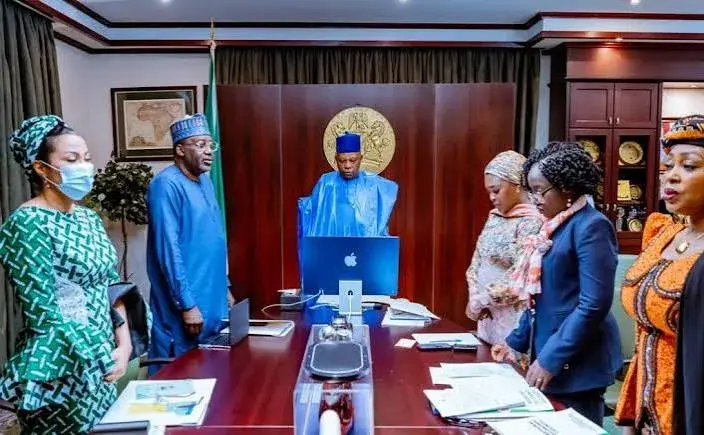
Nigeria Unveils 90-Day Cost-of-Living Plan, Pushes to Expand Gas Supply
23 Oct 2026
Transport Aviation
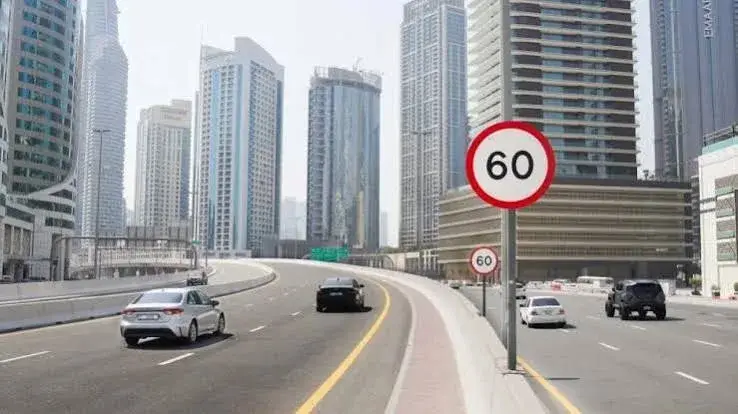
Dubai Changes Speed Limits on Five Major Roads From November 1
23 Oct 2026
Global
UAE’s Lana Nusseibeh Enters UN Chief Race, Pledges Quiet Diplomacy
23 Oct 2026
Sports
Bayern Munich Sells Stake to Viessmann in $4.5bn Valuation Deal
23 Oct 2026
Weather
7.0-Magnitude Earthquake Hits China’s Tibet, Killing at Least 16
23 Oct 2026

Health
Mbah Commissions Anchorage Pharmaceutical Production Facility in Enugu
22 Oct 2026