
France Arrests Nearly 2,400 After Nationwide Protests Turn Violent
Macron vows to hold rioters accountable after France’s nationwide protests over living costs and school conditions lead to nearly 2,400 arrests.
French President Emmanuel Macron has promised accountability for those responsible for violence during nationwide protests, after demonstrations over rising living costs and poor school conditions descended into widespread looting, arson and clashes with police, with authorities reporting nearly 2,400 arrests.
In a televised address on Sunday, October 18, Macron said those who looted businesses would have to pay for the damage, warning that people who sought to undermine the French Republic would be held accountable. He condemned the destruction while insisting that legitimate public grievances should be distinguished from violence and criminal acts.
The unrest erupted on Saturday, October 17, across Paris and other French cities, including Limoges, Lyon, Marseille and Bordeaux. Masked groups attacked shops and public buildings, set fires and clashed with officers. In Limoges, flames engulfed the historic 19th-century city hall, severely damaging the building, while parts of central Paris were left strewn with debris, burned-out vehicles and smashed shopfronts.
Interior Minister Laurent Nuñez initially reported more than 1,800 arrests, including 855 in Paris, but subsequent reports citing updated official figures put the nationwide total at nearly 2,400. Authorities also reported that almost 1,000 police officers and gendarmes had been injured, with seven seriously hurt. The scale of the damage prompted renewed questions about the authorities’ preparation for demonstrations that drew far larger crowds than anticipated.
The demonstrations brought together people angered by the cost of living, inflation and deteriorating public services, alongside students protesting conditions in schools. While many participants marched peacefully, authorities said smaller groups engaged in violence and looting. The government has blamed radical far-left activists and criminal groups for much of the disorder, although the protests included a wider range of participants and grievances.
The student demonstrations had been building for weeks, with complaints about teacher shortages, overcrowded classrooms and school infrastructure helping to drive mobilization. The movement broadened as economic pressures and dissatisfaction with public services fed into the protests, drawing comparisons with France’s 2018 Yellow Vest movement, which began over fuel taxes before expanding into a wider challenge to the government’s economic policies.
Macron convened senior government officials to discuss the unrest and said security would be strengthened to protect towns, public buildings and businesses. He stopped short of declaring a state of emergency or imposing a nationwide curfew, while leaving local authorities to work with police on measures that could include restricting demonstrations where necessary. Political opponents have criticized the government’s handling of the crisis, with some questioning whether authorities underestimated the scale of the protests and others condemning the violence itself.
The consequences extend beyond the immediate damage to streets and public buildings. France’s retail sector warned that hundreds of millions of euros in losses could result from vandalism and looting, with an industry federation estimating that around 1,500 shops had been targeted. The unrest has also intensified political tensions ahead of the 2027 presidential election, placing public concerns over household costs, education and public services alongside questions about public order and the proportionality of the state’s response.
The government now faces the dual challenge of pursuing those suspected of violence while responding to the underlying discontent that brought large numbers of people onto the streets. Macron’s insistence on accountability draws a line between lawful protest and criminal damage, but the scale of the demonstrations shows that economic pressure and frustration with public services remain significant issues in French public life as the country approaches another presidential election.
More on Europe
Europe
Historic French Town Hall Reduced to Ruins as Cost-of-Living Protests Turn Violent
18 Oct 2026
Europe
Police Clash With Protesters Across France as Cost-of-Living Anger Grow
17 Oct 2026
Trending
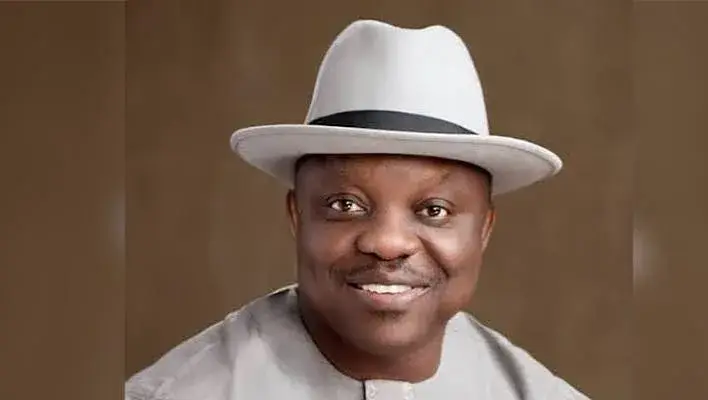
Former Delta Governor Emmanuel Uduaghan Dies at 71
19 Oct 2026
Business
Indonesian Stocks Tumble to Six-Year Low as MSCI Downgrade Warning Sparks Sell-Off
19 Oct 2026
Technology
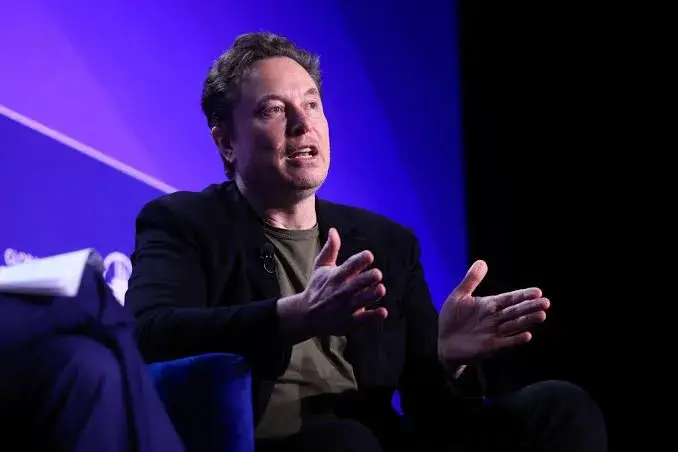
Musk Pledges SpaceX Share for Every US Child After Anthropic Move
19 Oct 2026
Partner with Follow Global Trends
Display banners, sponsored stories and founder spotlights.
You may also like
Politics
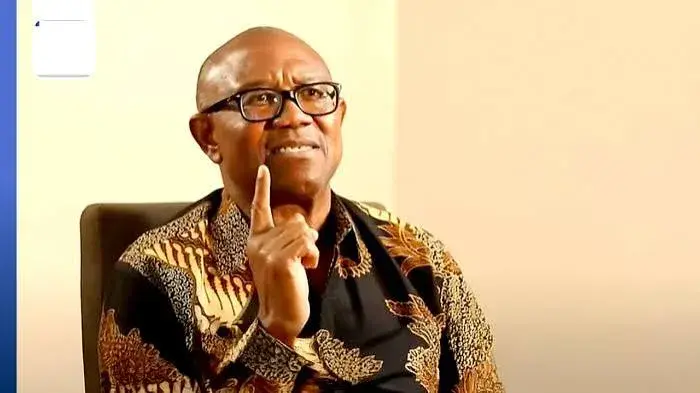
Obi’s Media Office Faults Shettima Over ‘Diminished’ Remark
19 Oct 2026
Asia
15 Dead, 42 Injured After Truck Hits Worshippers in Madhya Pradesh
19 Oct 2026
Business
Dangote Refinery IPO Attracts Investors From 51 African Countries
19 Oct 2026
Nigeria
Ibezim Defies Primate’s Six-Month Leave Order, Officiates at Awka Cathedral
19 Oct 2026
Global
Ukraine Launches Major Drone Attack on Russia, Hitting St Petersburg Oil Terminal
18 Oct 2026
Global
Pope Leo Appears at Vatican, Thanks Faithful for Prayers After Surgery
18 Oct 2026