
Tunisia’s Top Court Upholds Convictions of Opposition Figures and Activists
Tunisia’s highest court has upheld the convictions of prominent opposition figures and activists, reinforcing a sweeping crackdown that critics say has further narrowed the country’s political space.
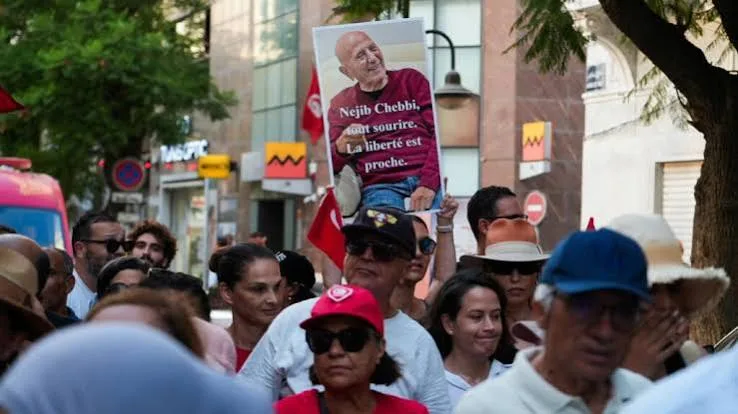
Tunisia’s Court of Cassation has upheld the convictions of several leading opposition politicians, lawyers and civil society activists, delivering a major legal victory for President Kais Saied’s administration and bringing one of the country’s most closely watched political cases closer to its conclusion.
The ruling confirms prison sentences handed down earlier this year in a mass trial involving dozens of defendants accused of conspiracy against state security and attempting to undermine public institutions. Those convicted have consistently denied the allegations, arguing that the prosecution is politically motivated and intended to silence dissent.
Among those affected are senior figures from opposition parties, former public officials and well-known activists who have been detained since a wave of arrests began in 2023. Human rights organizations say many of the defendants were prosecuted over their political activities, meetings with diplomats and public criticism of the government, while Tunisian authorities insist the case concerns genuine threats to national security rather than legitimate political opposition.
The Court of Cassation’s decision largely exhausts the ordinary avenues of appeal within Tunisia’s judicial system, although defence lawyers say they are considering further legal options, including international human rights mechanisms. Lawyers representing several defendants criticized the judgment, claiming the trial failed to meet international standards of due process and judicial independence.
The case has intensified international scrutiny of Tunisia’s democratic trajectory. Since President Saied suspended parliament in 2021, rewrote the constitution and expanded presidential powers, critics have accused his government of dismantling checks and balances that emerged after the 2011 revolution. Saied rejects those accusations, saying his reforms are necessary to combat corruption, restore stability and protect the state from entrenched political interests.
Rights groups, including international legal and civil liberties organizations, have repeatedly urged Tunisian authorities to release individuals detained for peaceful political activity and to guarantee fair judicial proceedings. European governments and the United Nations have also expressed concern over shrinking civic space, though Tunisian officials maintain that the judiciary operates independently and that no one is above the law.
The court’s ruling is likely to deepen political divisions in Tunisia at a time when the country continues to grapple with economic hardship, high unemployment and public frustration over living costs. While the government presents the verdict as an affirmation of the rule of law, opponents see it as another milestone in the consolidation of presidential power.
For Tunisia, the significance extends beyond a single courtroom. The decision has become a defining test of whether the country’s post-revolution institutions can balance national security with political pluralism, a question that will continue to shape its democratic credibility at home and abroad.
More on Law/Legal

Law/Legal
Dolly Parton’s Estate Seeks Court Order Against Nephew Over Alleged Threats
23 Sept 2026
Law/Legal
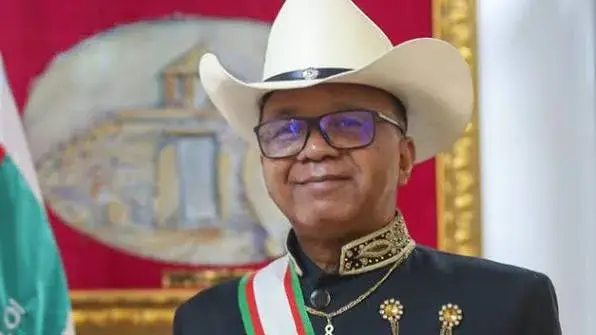
Madagascar ex-Senate president sentenced to 10 years over deadly protest crackdown
3 Sept 2026

Law/Legal
Paris Court Awards Kim Kardashian €1 in Landmark 2016 Robbery Case
16 Sept 2026
Law/Legal
Supreme Court Blocks Trump's Mail-In Voting Plan Ahead of US Midterm Elections
15 Sept 2026

Law/Legal
Poco Lee's UK Court Pre-Trial Adjourned Until February 2027
14 Sept 2026
You may also like

Law/Legal
UK Court Grants Poco Lee Bail Ahead of Tuesday Hearing
14 Sept 2026
Law/Legal
Abu Dhabi Mother Fined Dh80,000 After Leaving Child With Nanny While Father Was Available.
27 Aug 2026
Law/Legal
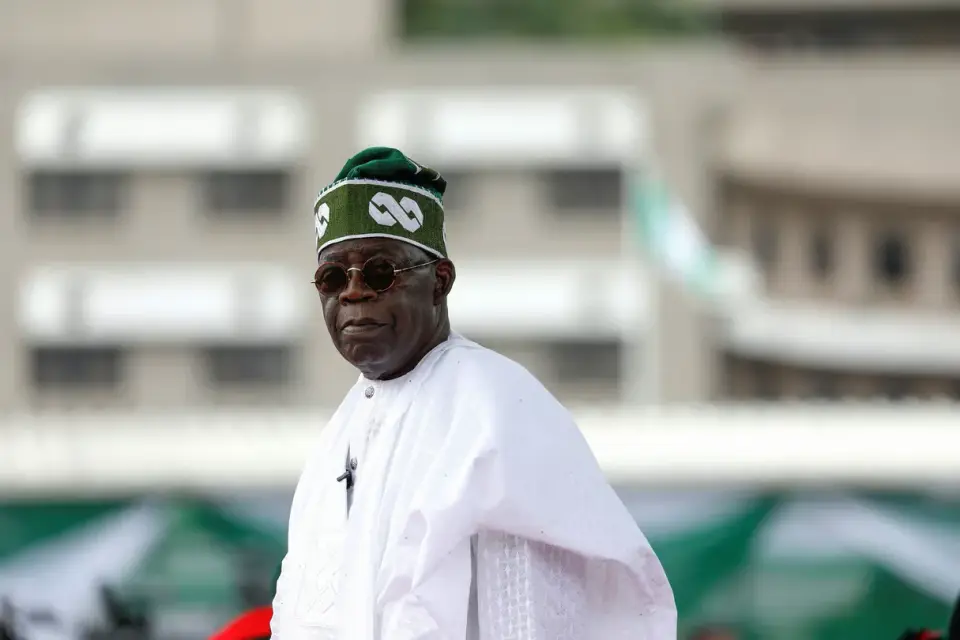
Tinubu FBI Files: US Court Allows Secret Evidence as Disclosure Fight Deepens
27 Aug 2026
Law/Legal
Ex-Liberia Vice President Remanded in Prison as Drug Trafficking Case Moves to Court
26 Aug 2026
Law/Legal
Joseph Kabila Challenges US Sanctions in Washington Court
24 Aug 2026

Law/Legal
Brad Pitt Seeks Court Order as Miraval Legal Battle with Angelina Jolie Deepens
5 Aug 2026