
Tinubu FBI Files: US Court Allows Secret Evidence as Disclosure Fight Deepens
A US federal court has allowed the FBI to present sensitive Tinubu-related records privately as a long-running fight over their release enters a critical stage.
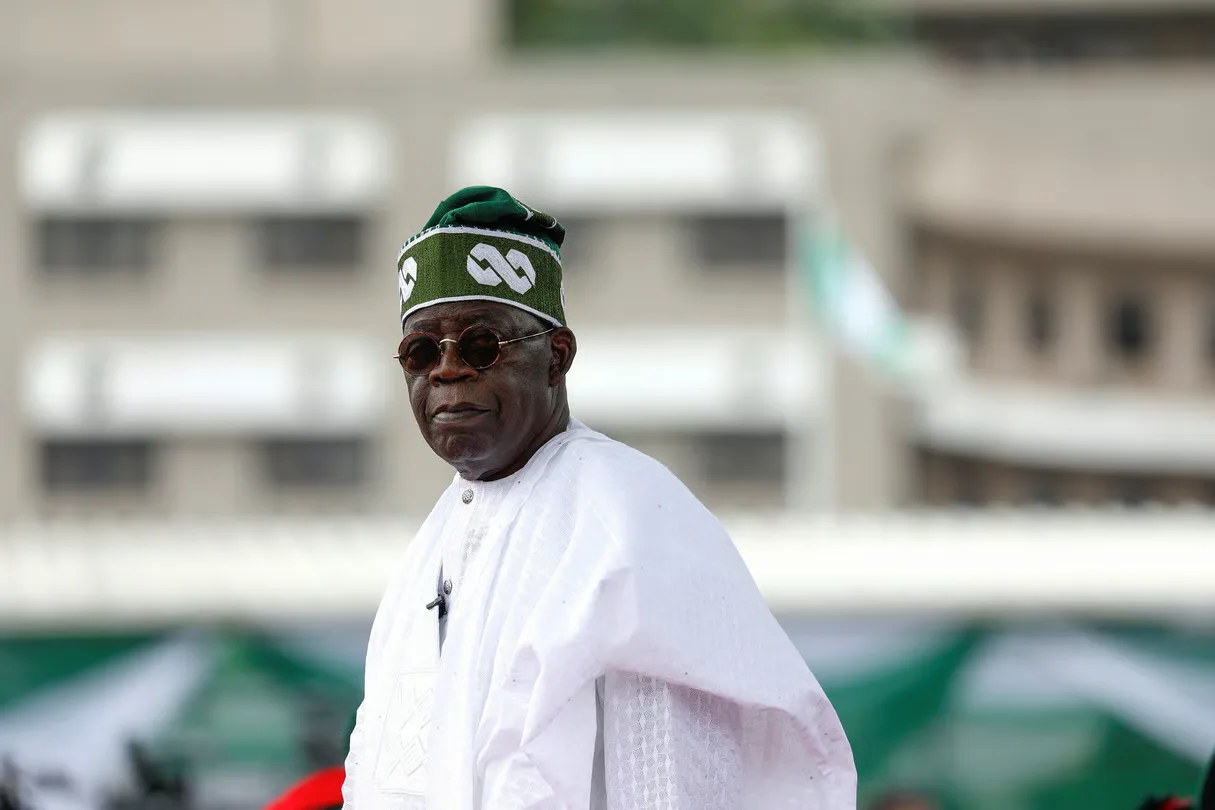
A long-running legal battle over US government records connected to President Bola Ahmed Tinubu has taken another turn, with a federal judge in Washington allowing the FBI to submit sensitive material to the court privately as it argues that some records should remain withheld.
The development concerns a Freedom of Information Act case brought by American transparency advocate Aaron Greenspan against the US government. At the centre of the dispute are records sought from the FBI and other agencies concerning investigations dating back to the early 1990s involving Tinubu and another individual, Abiodun Agbele. The case is being handled by US District Judge Beryl Howell in the District Court for the District of Columbia.
The latest step follows an FBI motion filed on August 20 seeking permission to submit a confidential declaration to Judge Howell on an ex parte, in-camera basis. In practical terms, that means the FBI can explain its position directly to the judge without putting the sensitive details into the public court record.
The bureau says it cannot fully explain in public why certain portions of the requested material should remain secret. According to its filing, releasing the information could expose law-enforcement investigative techniques and could potentially put an individual's life or physical safety at risk. The FBI is relying on several exemptions under the US Freedom of Information Act, including provisions covering personal privacy, confidential sources, investigative techniques and threats to physical safety.
The records being sought include a request for Tinubu's entire FBI file and another seeking FBI Form 302 interview records connected to a case from 1992 to 1993. Form 302 documents are generally used by the FBI to record information obtained during interviews conducted as part of investigations.
The case has attracted renewed attention because Judge Howell previously rejected an attempt by the FBI and Drug Enforcement Administration to rely on a so-called Glomar response, which allows an agency to refuse to confirm or deny whether particular records exist. In an April 2025 ruling, the judge found that the agencies could no longer use that approach in relation to certain Tinubu-related requests because information previously released by the FBI had already acknowledged connections to an investigation.
That ruling did not order the wholesale release of every document connected to Tinubu. Instead, the court distinguished between acknowledging that records or an investigation exist and determining which portions of those records can legally be withheld. The latest dispute is therefore focused on whether the FBI has sufficient grounds under FOIA to keep specific information confidential.
The development has also acquired a political dimension in Nigeria. The lobbying firm Von Batten-Montague-York, which has public ties to former Vice President Atiku Abubakar, has been publicising developments in the case. The firm said Judge Howell had allowed the FBI to provide the sensitive material privately and reported that the relevant parties had been given until August 28 to make their opposition to disclosure. Other Nigerian reports have repeated the account.
It is important, however, not to confuse the legal dispute over disclosure with proof of the allegations surrounding the historical investigation. The existence of a court fight over records does not establish that the allegations contained in or associated with those records are true. Nor does the FBI's request for confidential judicial review establish that Tinubu committed a criminal offence.
The historical controversy partly stems from a 1993 civil forfeiture involving about $460,000 connected to Tinubu. Tinubu has previously maintained that the matter was a civil proceeding and has denied wrongdoing. The latest court proceedings are concerned with access to government records and the legal exemptions that may protect some of their contents, rather than a criminal prosecution of the Nigerian president.
For Judge Howell, the immediate question is narrower but significant: whether the FBI can justify its continued withholding of particular information under FOIA. A private review gives the judge an opportunity to examine material that the government says cannot safely be described publicly and determine whether the claimed exemptions actually apply.
The case matters beyond the records themselves because it sits at the intersection of transparency, presidential accountability and Nigeria's increasingly charged political environment ahead of the 2027 election. Whatever the eventual ruling, the court's handling of the files will shape public understanding of what historical US law-enforcement records can be disclosed and what must remain protected. For Tinubu, meanwhile, the dispute ensures that questions surrounding his long-documented US history will remain in the political conversation, but the legal process still has to distinguish carefully between what the records contain, what can be proved, and what remains allegation.
More on Law/Legal
Law/Legal
Tinubu Drug Records: US Judge Allows FBI to Submit Sensitive Files for Private Review
22 Aug 2026

Law/Legal
US Advocacy Firm Files $57m Suit Against Tinubu, Nigeria and Fani-Kayode
6 Oct 2026

Law/Legal
Paris Court Awards Kim Kardashian €1 in Landmark 2016 Robbery Case
16 Sept 2026
Law/Legal
Joseph Kabila Challenges US Sanctions in Washington Court
24 Aug 2026

Law/Legal
Brad Pitt Seeks Court Order as Miraval Legal Battle with Angelina Jolie Deepens
5 Aug 2026
Partner with Follow Global Trends
Display banners, sponsored stories and founder spotlights.
You may also like
Law/Legal
Ex-Liberia Vice President Remanded in Prison as Drug Trafficking Case Moves to Court
26 Aug 2026

Law/Legal
Dolly Parton’s Estate Seeks Court Order Against Nephew Over Alleged Threats
23 Sept 2026
Law/Legal
Supreme Court Blocks Trump's Mail-In Voting Plan Ahead of US Midterm Elections
15 Sept 2026

Law/Legal
Poco Lee's UK Court Pre-Trial Adjourned Until February 2027
14 Sept 2026

Law/Legal
UK Court Grants Poco Lee Bail Ahead of Tuesday Hearing
14 Sept 2026
Law/Legal
Tunisia’s Top Court Upholds Convictions of Opposition Figures and Activists
4 Sept 2026