
SriLankan Airlines Restores Full Middle East Network With Kuwait Service Resumption
SriLankan Airlines has restored its full Middle East network with the return of six weekly Colombo-Kuwait flights, strengthening regional and onward connections after a temporary suspension.
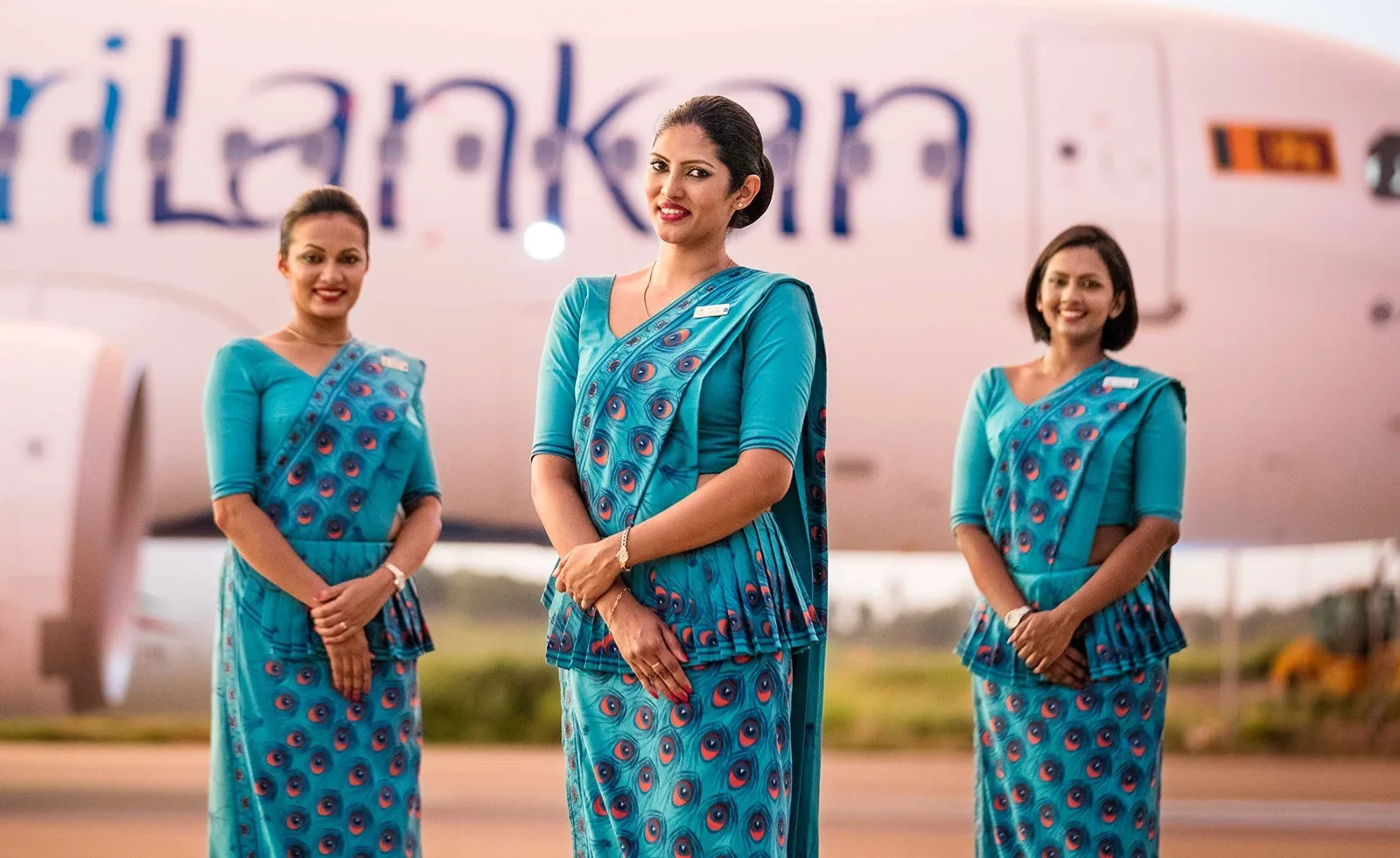
SriLankan Airlines has completed the restoration of its Middle East network with the return of regular flights between Colombo and Kuwait, giving travellers another direct link between Sri Lanka and the Gulf following a temporary suspension caused by the regional security situation.
The national carrier resumed the Kuwait service on 8 August, with six flights a week operating between Bandaranaike International Airport in Colombo and Kuwait International Airport. Flights operate every day except Wednesday, with flight UL229 leaving Colombo at 5:10pm and arriving in Kuwait at 8:05pm, while the return service, UL230, departs Kuwait at 9:10pm and reaches Colombo at 5:15am the following day.
The resumption completes what the airline describes as the restoration of its Middle East network, which now covers Riyadh, Dammam, Dubai, Doha and Kuwait. SriLankan Airlines has maintained a presence in the region for more than four decades, making the restored routes particularly important for passengers travelling between Sri Lanka, the Gulf and South Asia.
The Kuwait route had been temporarily suspended from 20 July because of the escalating military situation in the Middle East. The decision followed a notice from Sri Lanka's Civil Aviation Authority, which initially announced that the suspension would remain in place until 26 July as authorities assessed the security situation.
With flights now operating again, the airline is also positioning Colombo as a useful transit point for passengers travelling between the Middle East and southern India. Timetables have been arranged to provide onward connections to cities including Chennai, Kochi, Thiruvananthapuram, Tiruchirappalli and Madurai, with some connections taking less than 90 minutes.
That connectivity could be particularly significant for the large South Asian workforce and business communities travelling between the Gulf and the Indian subcontinent. Restoring the Kuwait route gives passengers more choice while strengthening Colombo's role as a regional connecting hub rather than simply an origin and destination airport.
SriLankan Airlines' Head of Commercial, Dimuthu Tennakoon, said the carrier was pleased to make a full return to the Middle East, pointing to the airline's long history of connecting the region with Sri Lanka and South India. The company has also recently expanded its reach in Saudi Arabia through partnerships with Saudia and Flynas, giving passengers access to additional international and domestic destinations within the Kingdom.
The wider aviation picture remains closely linked to developments in the Middle East. Airlines have had to repeatedly adjust schedules and suspend or restore services as security conditions and airspace availability change. SriLankan's decision to resume Kuwait flights therefore represents not only a commercial move but also a sign of greater confidence in operating the route under current conditions.
For travellers, the immediate benefit is straightforward: more direct capacity and more reliable options between Kuwait and Colombo, alongside easier connections onward to destinations in Sri Lanka and southern India. SriLankan Airlines' current booking system is already showing availability on the Colombo-Kuwait route for the coming months, confirming that the service is operating as part of its regular schedule.
The broader significance is that the restoration of Kuwait services gives SriLankan Airlines a more complete regional network at a time when Middle Eastern aviation is still adjusting to recent disruption. The return of all five Gulf destinations strengthens Colombo's position in the India-Gulf travel corridor and gives Sri Lanka's national carrier a firmer platform from which to rebuild passenger flows, tourism and business links across one of its most important international markets.
More on Travel & Tourism

Travel & Tourism
Mount Anak Krakatau: What to Know About the Volcano Disrupting Indonesia Flights
8 Sept 2026

Travel & Tourism
Canada Expands Study Access for Temporary Foreign Workers
11 Sept 2026
Travel & Tourism
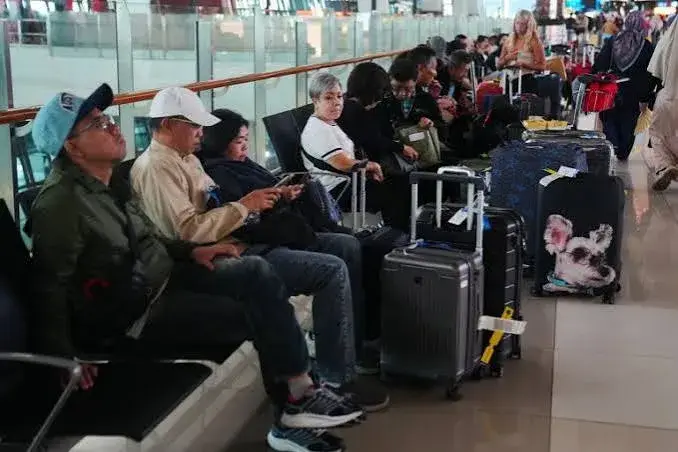
Indonesia Grounds Flights as Anak Krakatau Ash Shuts Jakarta’s Main Airport
6 Sept 2026
Travel & Tourism
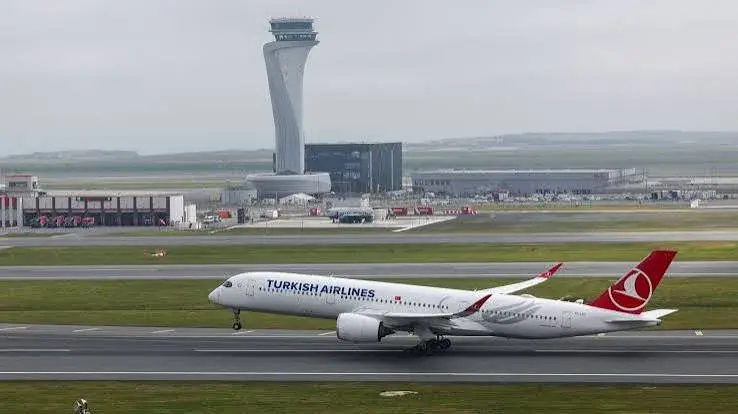
Istanbul Airport Overtakes Heathrow as World’s Most Connected Airport
7 Oct 2026

Travel & Tourism
One Visa, Six Countries: GCC Grand Tourist Visa Set to Launch Soon
8 Sept 2026
Partner with Follow Global Trends
Display banners, sponsored stories and founder spotlights.
You may also like

Travel & Tourism
Ibom Air Hits 10-Aircraft Milestone With New Airbus A220-300
31 Aug 2026

Travel & Tourism
Arabian Travel Market 2026 to Spotlight Dubai’s Resilience and Future of Global Tourism
28 Aug 2026
Travel & Tourism
American Tourist Dies in 300-Metre Fall While Hiking Italian Alps
25 Oct 2026

Travel & Tourism
Saudi Arabia’s Jeddah Tower Surpasses New York Skyscraper in Height
24 Oct 2026

Travel & Tourism
Arabian Travel Market 2027 Unveils Theme as Demand for Travel Experiences Grows
22 Oct 2026
Travel & Tourism
Dubai’s Global Village Opens Season 31 With Parade and 600-Drone Show
15 Oct 2026