
Seventh Baby, Millions of Views: Japan’s Viral Mother Rekindles Birth Rate Debate
A Japanese author and former political candidate has gone viral after announcing the birth of her seventh child, reigniting debate over family, motherhood and the nation’s deepening demographic crisis.

A heartwarming family announcement has become a national conversation in Japan after Kotoe Hashimoto, a writer and former political candidate, revealed she had given birth to her seventh child. The post quickly spread across social media, attracting millions of views and placing renewed attention on one of the country’s most pressing challenges: a rapidly declining birth rate.
Hashimoto shared a photograph of herself cradling her newborn on X, thanking doctors, midwives and nurses who supported the delivery. Within days, the post had been viewed more than 27 million times, drawing congratulations from across Japan and abroad.
The viral moment became even more significant after Hashimoto followed it with a broader message about Japan’s future. She encouraged Japanese women to consider having children, arguing that the country’s long-term prosperity depends on addressing its demographic decline. Her comments resonated with many supporters, although they also sparked debate among those who believe the nation’s falling birth rate cannot be solved through individual choices alone.
Hashimoto is no stranger to public life. She previously contested Japan’s 2017 general election under the now-defunct Party of Hope and has frequently used her social media platforms to discuss population decline, family policy and the challenges facing younger generations.
Her announcement arrives against a stark demographic backdrop. Official figures from Japan’s Ministry of Health show the country’s total fertility rate fell to 1.14 in 2025, down from 1.15 the previous year, the lowest level since comparable records began in 1947. The number of births also dropped to just over 671,000, marking the tenth consecutive annual decline and reinforcing concerns over Japan’s ageing population and shrinking workforce.
Successive Japanese governments have introduced childcare subsidies, parental leave reforms and financial incentives aimed at encouraging families to have more children. Yet economists and demographers say the crisis is driven by a wider mix of factors, including high living costs, demanding work culture, delayed marriage and uncertainty about raising children in an increasingly expensive society.
Public reaction to Hashimoto’s story has reflected those competing perspectives. Many social media users celebrated her large family as inspiring, while others cautioned against placing responsibility for reversing population decline solely on women, arguing that broader social and economic reforms remain essential.
For Japan, the birth of one child will not change demographic trends. But the extraordinary response to Hashimoto’s seventh child shows how deeply questions of family, motherhood and the nation’s future have become intertwined in a country searching for answers to one of the world’s most significant population challenges.
More on Asia

Asia
Singapore Offers Up to S$70,000 Per Child in New Push to Boost Births
25 Aug 2026
Asia
In Pakistan, Solar Panels Are Becoming the New Wedding Dowry
1 Oct 2026

Asia
India Keeps Judicial First Approach for Foreign Investment Claims
26 Sept 2026
Asia
Singapore Bus Passengers Face S$500 Fines for Loud Music, Feet on Seats
23 Sept 2026
Asia
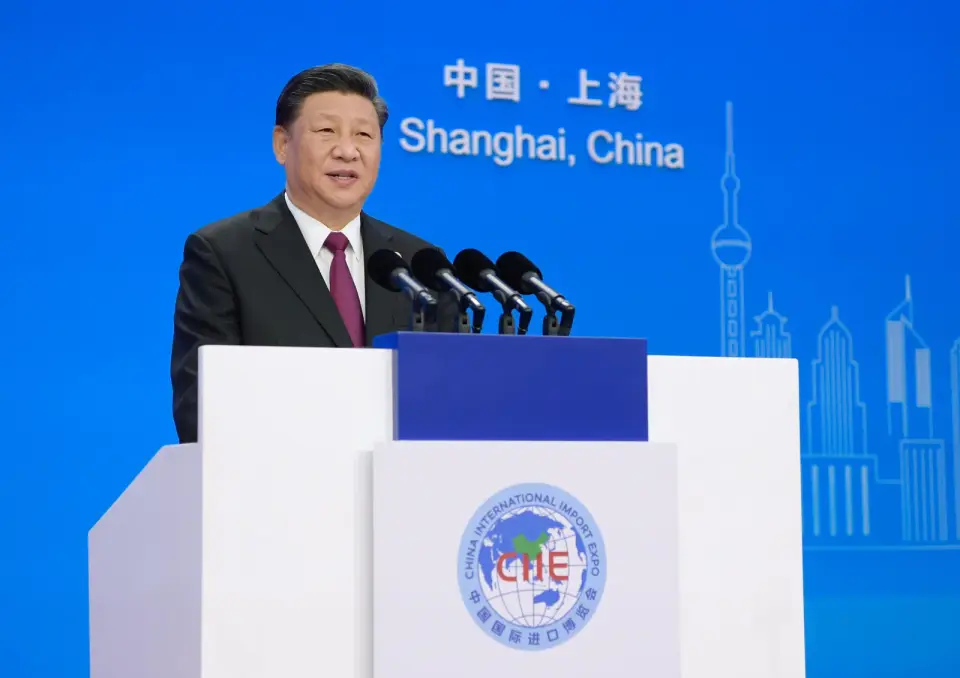
Xi Jinping to Lead Top Chinese Business Delegation on US Visit
20 Sept 2026
You may also like
Asia
Indonesia Receives First Aircraft Carrier as Prabowo Accelerates Military Modernisation
19 Sept 2026
Asia
Three Students Die in Philippine School Shooting, Including 16-Year-Old Gunman
18 Sept 2026

Asia
China Opens 134-km Pinglu Canal to Boost ASEAN Trade Connectivity
17 Sept 2026

Asia
Vietnam’s Pham Thu Huong Overtakes Oprah, Taylor Swift in Billionaire Wealth
8 Sept 2026

Asia
China’s Pony.ai Targets Global Robotaxi Expansion as Revenue Jumps 691%
31 Aug 2026

Asia
African Journalists Seek Deeper China Media Cooperation as AI Reshapes Newsrooms
22 Aug 2026