Ogoni Oil Return: Youths Push for 500 Jobs as Leaders Demand Transparency
Ogoni youths want 500 NNPCL jobs as disagreement grows over how and when oil operations should return to the area.
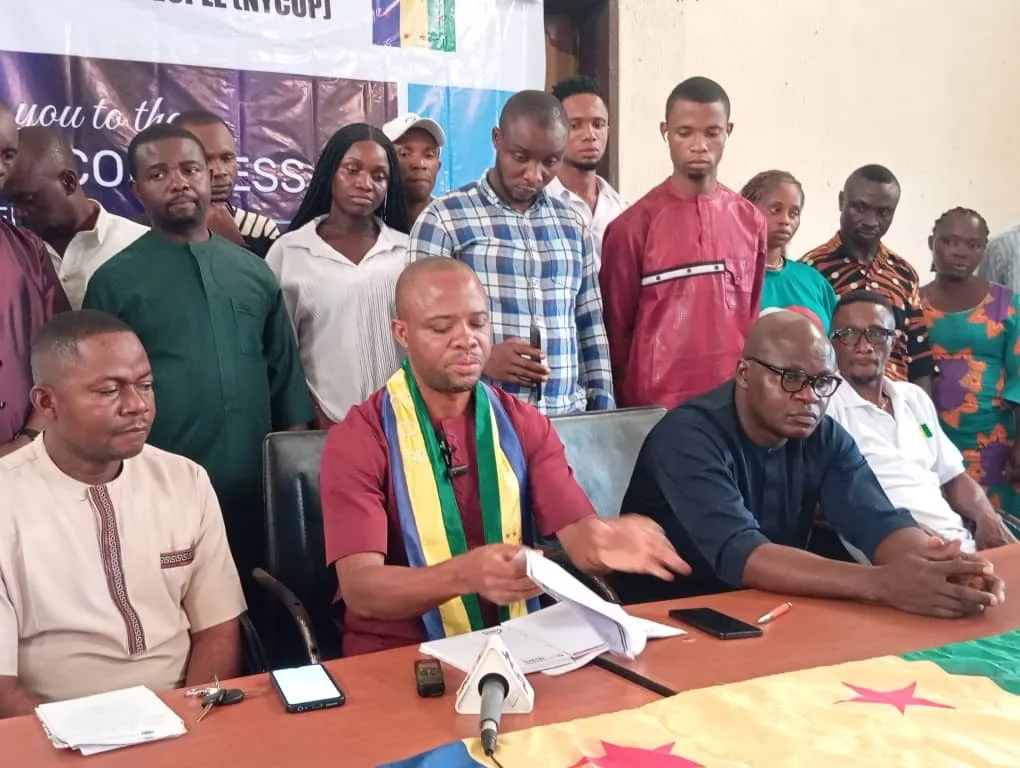
The debate over the proposed return of oil exploration to Ogoniland has taken a sharper turn, with Ogoni youths demanding 500 direct employment opportunities from the Nigerian National Petroleum Company Limited (NNPCL) while other community leaders question whether the process is moving ahead of ongoing negotiations.
The demand was made by the Ogoni Youth Federation (OYF), whose President-General, Legborsi Yamaabana, said the group would formally push for the 500 positions at an upcoming Ogoni Youth National Congress. The call follows reports of about 40 employment slots allocated to Ogoni youths by NNPCL as part of confidence-building measures linked to the proposed resumption of oil and gas activities.
Yamaabana described the 40 positions as inadequate given the scale of the region's historical contribution to Nigeria's oil economy and the length of time oil production has remained suspended in Ogoniland. He also called for calm among Ogoni stakeholders, warning that the limited number of opportunities should not become a source of internal conflict.
The demand comes as the Federal Government attempts to reopen the door to oil production in an area where commercial operations have been suspended for more than three decades. Oil activities in Ogoniland were halted in the early 1990s following escalating conflict between communities, the government and oil operators, amid widespread environmental concerns and protests associated with the Ogoni struggle.
The proposed restart is centred on Oil Mining Lease 11, a major onshore asset covering parts of Ogoniland. NNPCL has presented the planned re-entry as part of a broader effort that is supposed to combine energy development with environmental protection and community welfare. In December 2025, the company said 30 Ogoni indigenes had already received employment offers as part of confidence-building measures.
Since then, the employment issue has become increasingly sensitive. KAGOTE, the umbrella organisation representing the four Ogoni local government areas of Khana, Gokana, Tai and Eleme, has questioned how NNPCL employment opportunities were selected and distributed. Its president, Chief Lesi Maol, said stakeholders had not been adequately informed about the criteria or beneficiaries and called for greater transparency.
A member of the federal Ogoni Dialogue Committee, retired Rear Admiral John Nicholas Bapko, has also raised concerns about the process. He said he could not account for how the reported 40 positions had been shared among the four local government areas, despite being a member of the committee involved in the dialogue.
The disagreement over jobs is part of a much larger argument about the conditions under which oil should return. Some Ogoni groups support renewed production but insist that the communities must have a meaningful role in negotiations and receive a fair share of the economic benefits. The Ogoni Youth Federation has previously called for young people to be directly involved in the consultations and operational framework for OML 11.
Other groups remain more cautious. The Movement for the Survival of the Ogoni People (MOSOP) has said the dialogue with the Federal Government is progressing and expressed optimism that it can produce a settlement that benefits Ogoni communities. But MOSOP has also previously maintained that environmental justice, political inclusion and unresolved grievances must be addressed as part of any oil-resumption arrangement.
Fresh concerns emerged this week after KAGOTE leaders alleged that oil-related activities may already have begun in parts of Ogoniland while the dialogue remains unfinished. The group called for an authoritative explanation from the government and the Ogoni Dialogue Committee, warning that uncertainty could fuel misinformation and renewed tension. Those claims have not been independently established as evidence of a full commercial restart of oil production.
The Federal Government's confidence-building programme has extended beyond employment. HYPREP has been training Ogoni youths in technical fields, including mechatronics and professional mud logging, with the stated aim of developing skills that could improve access to employment in the oil and gas industry. In July, 300 youths began a six-month professional mud-logging programme.
The economic argument for restarting production is also substantial. Pipeline Infrastructure Nigeria Limited has estimated that Nigeria lost about $226.7 billion following the suspension of production from 96 Ogoni oil wells over more than three decades, although that estimate is the company's assessment and not an independently established national accounting figure. PINL has argued that OML 11 could eventually support significant additional crude production if operations resume.
But the central lesson from Ogoniland's history is that oil production cannot be separated from the question of community trust. Jobs may provide an immediate benefit, but the more difficult negotiations concern environmental restoration, local participation, infrastructure, revenue and guarantees that the mistakes associated with previous oil operations will not be repeated.
The broader significance of the latest dispute is therefore not simply the demand for 500 jobs. It is a test of whether the proposed Ogoni re-entry can create an economic partnership that communities regard as fair. If the Federal Government can make employment, environmental safeguards and local participation transparent and credible, the return of oil could become a new chapter for Ogoniland. If those issues remain unresolved, even relatively small opportunities such as the reported 40 NNPCL positions could continue to expose the deeper divisions that have complicated the region's relationship with oil for decades.
More on Oil and Gas
Oil and Gas
19 Nigerian Oil Block Licences Face 2026 Expiry as NUPRC Tightens Acreage Rules
26 Aug 2026
Oil and Gas
Saudi Pipeline Outage Threatens Loss of 4% of Global Oil Output
14 Sept 2026
Oil and Gas
Dangote Refinery Hikes Petrol Price by ₦85 Per Litre
12 Sept 2026
Oil and Gas
NNPC Launches Nigeria's First Self-Service Smart Filling Station, Targets 70 Nationwide
11 Sept 2026
Oil and Gas
Crude at $100: Nigeria Set for Bigger Oil Earnings as Petrol Fears Grow
9 Sept 2026
You may also like

Oil and Gas
Oil Nears $100 Per Barrel as Middle East Tensions Shake Global Markets
8 Sept 2026
Oil and Gas
Scorpio Drilling Unveils $28 Million Rig in Major Nigerian Upstream Investment
4 Sept 2026
Oil and Gas
Dangote Refinery Expands Free Fuel Delivery to Four More States
24 Aug 2026
Oil and Gas
Ghana Eyes Nigeria Electricity Market as Accra Pushes West African Energy Hub Ambition
22 Aug 2026
Oil and Gas
Bonny Light Nears $95 as Hormuz Crisis Keeps Oil Markets on Edge
17 Aug 2026
Oil and Gas
Nigeria’s $50bn Deepwater Bet: NNPC Says Tax Reform Will Unlock New Oil Investment
14 Aug 2026