Ghana Eyes Nigeria Electricity Market as Accra Pushes West African Energy Hub Ambition
Ghana says it is working towards exporting electricity to Nigeria as it seeks a bigger role in West Africa’s energy market.
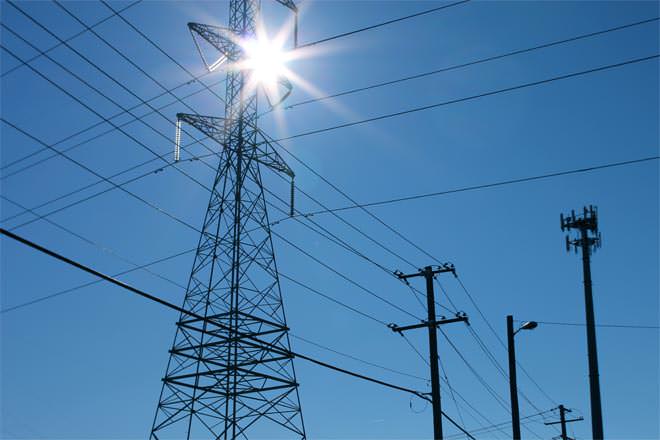
Ghana is positioning itself to become a major electricity supplier across West Africa, with Energy and Green Transition Minister John Abdulai Jinapor confirming that the country is working towards adding Nigeria to its growing list of power-export destinations.
Jinapor said Ghana already supplies electricity to Togo, Benin, Côte d’Ivoire and Burkina Faso, and is now working towards extending exports to Nigeria. He described the plan as part of Accra’s broader ambition to establish Ghana as an energy hub for the West African region.
The proposal is significant because Nigeria is by far the region’s largest potential electricity market by population, even though its power sector continues to struggle with generation, transmission and distribution constraints. Supplying electricity to Nigeria would therefore represent a substantial expansion of Ghana’s regional energy ambitions, provided the necessary transmission links and commercial arrangements can be established.
Jinapor acknowledged that infrastructure will be critical. Ghana would need additional transmission capacity to support larger cross-border power flows, particularly if exports to Nigeria are eventually expected to reach commercially significant volumes. Ghana Grid Company (GRIDCo) already operates an interconnected transmission network with neighbouring countries, while ongoing grid expansion is intended to create room for additional regional electricity trade.
Ghana is approaching the ambition from a position of having an established power-export market. The country's Energy Ministry says Ghana currently exports electricity to Togo, Benin and Burkina Faso, while its power system is supplied by a mixture of hydroelectricity, thermal generation and a small contribution from solar power. Ghana also imports electricity from Côte d’Ivoire, illustrating how electricity trading in the region can operate in both directions depending on supply and demand.
The government's plan is not simply about exporting existing excess capacity. Jinapor has linked the regional strategy to Ghana's longer-term plans to strengthen domestic generation and diversify its energy mix. Gas, renewable energy and nuclear power are all expected to play roles in providing the more reliable electricity supply needed to support President John Mahama's 24-Hour Economy initiative.
That strategy is already producing some changes in Ghana's power sector. The government said in July that its gas-to-power programme had saved GH¢3.08 billion, or about US$268.5 million, in fuel costs during the first half of 2026 by replacing more expensive light crude oil with natural gas for electricity generation. Gas supplied for power generation had also increased to about 490 million standard cubic feet per day by the end of June, according to Finance Minister Cassiel Ato Forson.
Accra is also advancing larger energy projects. The government says it is developing a 100 million standard cubic feet per day gas-processing facility and a 1,200MW power plant, with financial close targeted before the end of 2026. The project is expected to strengthen domestic energy security while reducing generation costs.
Ghana's nuclear ambitions form another part of the picture. The government has been promoting nuclear energy as a potential source of dependable baseload electricity alongside gas and renewables. A broader and more diversified generation base would be important if Ghana wants to supply neighbouring countries while simultaneously meeting rising demand from industries and households at home.
The proposed Nigerian market also highlights the importance of regional electricity integration. The West African Power Pool was created to encourage countries in the region to trade electricity through interconnected transmission networks, allowing power to move between markets where supply conditions differ. In principle, stronger cross-border trading can improve the utilisation of generation assets and provide countries with additional options when domestic supply is tight.
But Ghana's ambition will face a practical test: it must have enough dependable power to export without undermining its own consumers. Transmission infrastructure, generation reliability, financing, pricing agreements and the regulatory framework between Ghana and Nigeria will all have to be resolved before the proposal becomes a meaningful commercial electricity relationship.
For Nigeria, the possibility of importing additional electricity from Ghana would offer another potential source of supply, but it would not remove the country's deeper structural power challenges. Nigeria would still need stronger domestic generation, transmission and distribution networks to ensure that imported electricity can reach consumers reliably.
Ghana's proposed move is therefore about more than selling electricity to a neighbour. It reflects a wider attempt to turn energy infrastructure into a regional economic advantage, using gas, hydro, renewables and potentially nuclear power to build a more competitive electricity system. If Accra can expand generation, strengthen its transmission network and secure sustainable export agreements without creating shortages at home, supplying Nigeria could become a significant step towards its ambition of becoming a West African energy hub.
More on Oil and Gas
Oil and Gas
Axxela Reaches Dual Milestone, Reinforcing Leadership in Nigeria's Energy Industry
3 Aug 2026
Oil and Gas
NNPC Launches Nigeria's First Self-Service Smart Filling Station, Targets 70 Nationwide
11 Sept 2026
Oil and Gas
Crude at $100: Nigeria Set for Bigger Oil Earnings as Petrol Fears Grow
9 Sept 2026
Oil and Gas
Saudi Pipeline Outage Threatens Loss of 4% of Global Oil Output
14 Sept 2026
Oil and Gas
Dangote Refinery Hikes Petrol Price by ₦85 Per Litre
12 Sept 2026
You may also like
Oil and Gas
Nigeria’s $50bn Deepwater Bet: NNPC Says Tax Reform Will Unlock New Oil Investment
14 Aug 2026
Oil and Gas
Scorpio Drilling Unveils $28 Million Rig in Major Nigerian Upstream Investment
4 Sept 2026
Oil and Gas
Oil Nears $100 Per Barrel as Middle East Tensions Shake Global Markets
8 Sept 2026
Oil and Gas
19 Nigerian Oil Block Licences Face 2026 Expiry as NUPRC Tightens Acreage Rules
26 Aug 2026
Oil and Gas
Dangote Refinery Expands Free Fuel Delivery to Four More States
24 Aug 2026
Oil and Gas
Ogoni Oil Return: Youths Push for 500 Jobs as Leaders Demand Transparency
22 Aug 2026