
Oil Nears $100 Per Barrel as Middle East Tensions Shake Global Markets
Brent crude is edging toward the $100-a-barrel mark as escalating Middle East tensions raise fears of prolonged disruptions to one of the world’s most important oil supply routes.
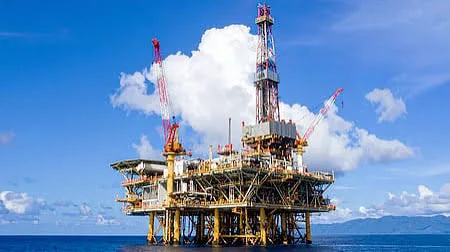
Global oil prices are approaching $100 per barrel again, with Brent crude climbing to around $98 as renewed conflict in the Middle East fuels concerns over supply disruptions and higher energy costs worldwide.
The latest rally follows a sharp escalation in hostilities involving the United States and Iran, alongside growing threats to shipping through the Strait of Hormuz, the narrow waterway that normally carries about one-fifth of the world’s oil and significant volumes of liquefied natural gas. Investors have responded by pushing crude prices to their highest levels in weeks, reviving speculation that oil could soon breach the psychological $100 threshold.
Despite the surge, analysts say prices have not yet crossed $100 because global supply has proven more resilient than many expected. While exports through Hormuz have fallen sharply, producers including Saudi Arabia, the United Arab Emirates and Iraq have redirected some shipments through alternative routes, while increased output from countries such as the United States, Canada and Guyana has helped cushion part of the shortfall.
Demand has also played an important role. Weaker petrochemical consumption and slowing oil demand growth in China have reduced pressure on the market, preventing geopolitical risks from translating into an even steeper price spike. That balance between constrained supply and softer demand has kept Brent hovering just below triple digits rather than soaring well beyond it.
Still, the outlook remains highly uncertain. Several investment banks have revised their oil forecasts upward, warning that any further disruption to Gulf exports or attacks on critical energy infrastructure could send Brent above $100, with more extreme scenarios pointing to substantially higher prices if shipping routes become severely restricted.
For consumers, rising crude prices could translate into higher fuel, transport and electricity costs in many countries. Oil-importing economies, including much of Asia and Africa, are particularly vulnerable, as sustained increases in energy prices tend to feed inflation, raise production costs and put additional pressure on household budgets.
The renewed march toward $100 is more than a commodity market story, it is a reminder of how quickly geopolitical conflict can reshape the global economy. As long as uncertainty persists around the Middle East’s energy corridors, oil prices are likely to remain volatile, with consequences stretching from government finances and inflation to the everyday cost of living around the world.