The Korean Central News Agency (KCNA) is the state news agency of the Democratic People’s Republic of Korea, commonly known as North Korea. Based in Pyongyang, it supplies official news reports, photographs and statements for domestic media and international audiences. Its coverage reflects the positions of North Korea’s leadership and ruling Workers’ Party of Korea rather than those of an independent newsroom.
Background and development
KCNA was established on December 5, 1946, before the formal founding of the Democratic People’s Republic of Korea in 1948. It developed into a central institution within the country’s tightly controlled information system, distributing reports about government activity, party decisions and national events.
The agency’s history spans the leadership of Kim Il Sung, Kim Jong Il and Kim Jong Un. Across those periods, its reporting has emphasized the authority of the leadership, the ruling party’s policies and the state’s account of North Korean history.
Coverage and distribution
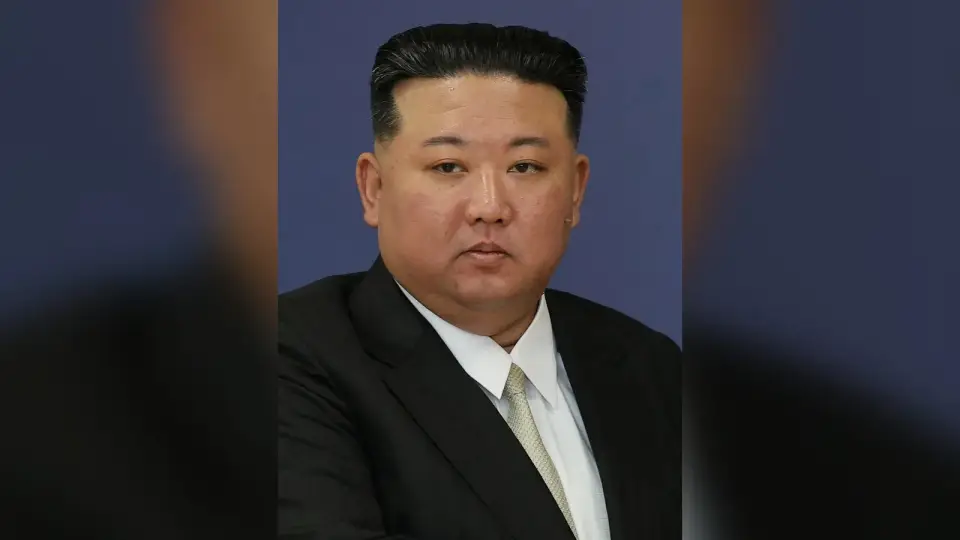
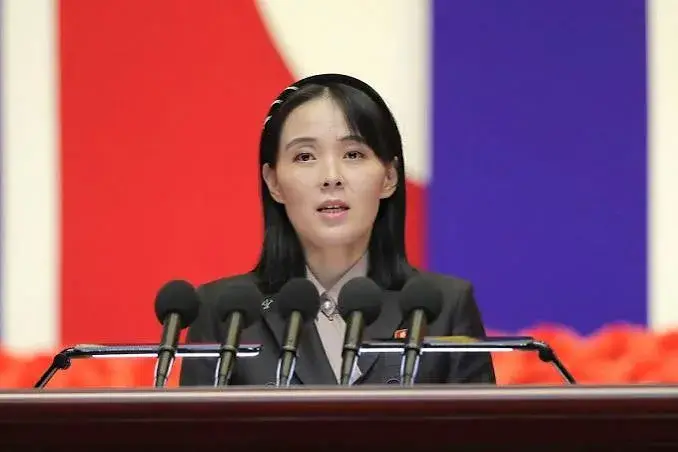
KCNA reports on leadership appearances, diplomatic meetings, military developments, economic projects, agriculture, culture and sport. Accounts of factory inspections, construction projects and commemorative ceremonies are recurring elements of its output. It also publishes statements from government ministries and senior officials.
The agency produces material in Korean and foreign languages, including English. Its online reports make official North Korean positions accessible to international news organizations, researchers and governments. Foreign outlets frequently cite KCNA when reporting announcements that cannot readily be confirmed through direct access inside North Korea.
Political role and international significance
KCNA is an important vehicle for communicating Pyongyang’s foreign-policy positions, including its views on South Korea, the United States, sanctions and nuclear negotiations. It publishes official responses to international criticism and reports on weapons tests and military policy. Such reports can signal changes in the government’s public messaging, although interpreting their significance requires context.
KCNA’s reports are primary sources for what North Korean authorities publicly say, not independent verification of the events or claims they describe. Its coverage routinely praises the leadership and uses strongly critical language toward perceived adversaries. Journalists and analysts therefore distinguish between the agency’s publication of an official statement and evidence supporting that statement’s contents. Despite these limitations, KCNA remains a major source for monitoring a country where independent reporting and access to official information are severely restricted.