Background and origins
The Catholic Church is the world's largest Christian denomination. It traces its origins to Jesus Christ and the apostles in the first century. Catholic teaching identifies Saint Peter as the first pope and understands the bishops as successors to the apostles.
The church developed across the Roman Empire and beyond, becoming a major influence on religious life, education, art, law and politics. The separation between Eastern and Western Christianity, conventionally associated with 1054, and the Protestant Reformation of the sixteenth century helped shape the divisions within Christianity today.
Leadership and organization
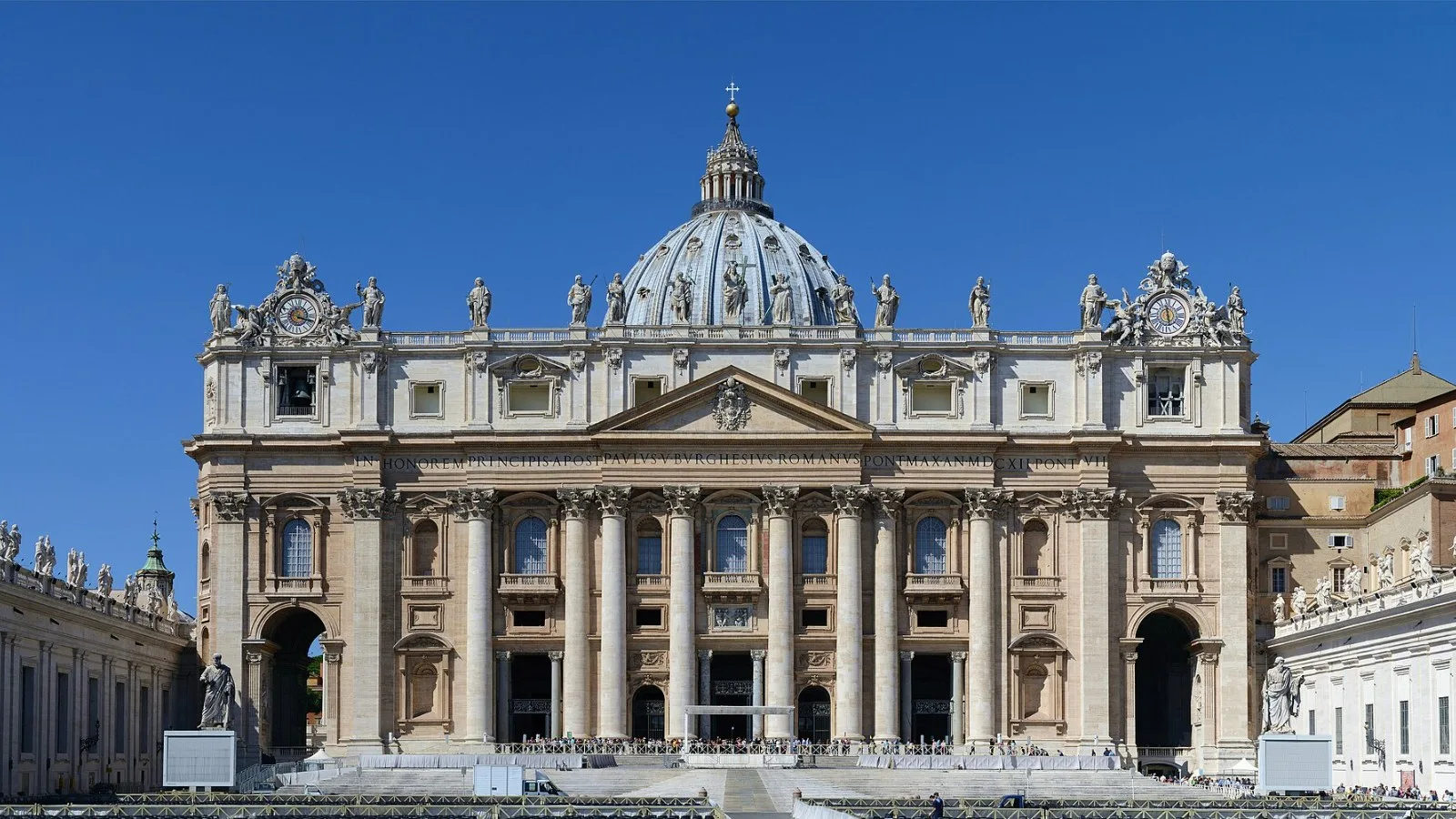
The pope, who is the bishop of Rome, serves as the church's supreme pastor. The Holy See is its central governing authority and maintains diplomatic relations with states around the world. Vatican City, an independent state established in 1929, provides the territorial base for the Holy See.
The Catholic Church comprises the Latin Church and 23 Eastern Catholic churches, which share communion with the pope while retaining distinctive liturgical, spiritual and disciplinary traditions. Local communities are generally organized into dioceses or corresponding Eastern jurisdictions, led by bishops, and parishes served by priests. Religious orders and congregations also conduct worship, education, healthcare and charitable work.
Beliefs and worship
Catholic belief centers on the Trinity, the incarnation of Jesus Christ, his death and resurrection, and the hope of eternal life. The church regards Scripture and sacred Tradition as sources through which divine revelation is transmitted, interpreted by its teaching authority, known as the magisterium.
Catholics recognize seven sacraments: baptism, confirmation, the Eucharist, penance, anointing of the sick, holy orders and matrimony. The Eucharist is central to Catholic worship. In the Latin Church, its principal celebration is called the Mass.
Saints, remembrance and public life
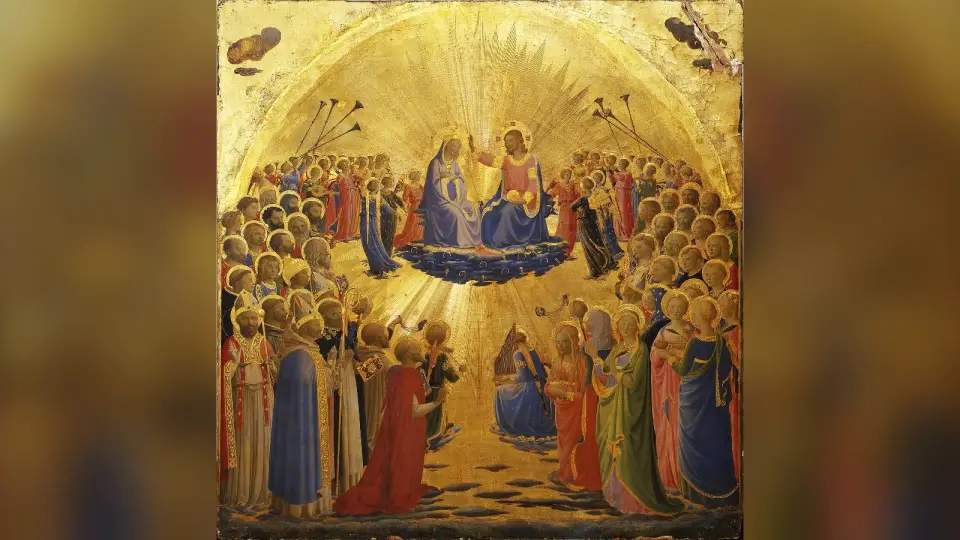
The church honors saints as examples of Christian holiness and asks for their intercession. In the Latin Church's calendar, All Saints' Day is celebrated on November 1, while All Souls' Day on November 2 focuses on prayer for the faithful departed. In 2026, these dates fall on Sunday and Monday respectively. All Saints is a solemnity and takes precedence over a Sunday in Ordinary Time.
Catholic institutions operate schools, universities, hospitals and humanitarian services internationally. The church has also faced extensive investigations and criticism over clergy sexual abuse and institutional failures to protect children. Its global reach encompasses diverse cultures, while local worship schedules and the public-holiday status of religious feasts vary by jurisdiction.