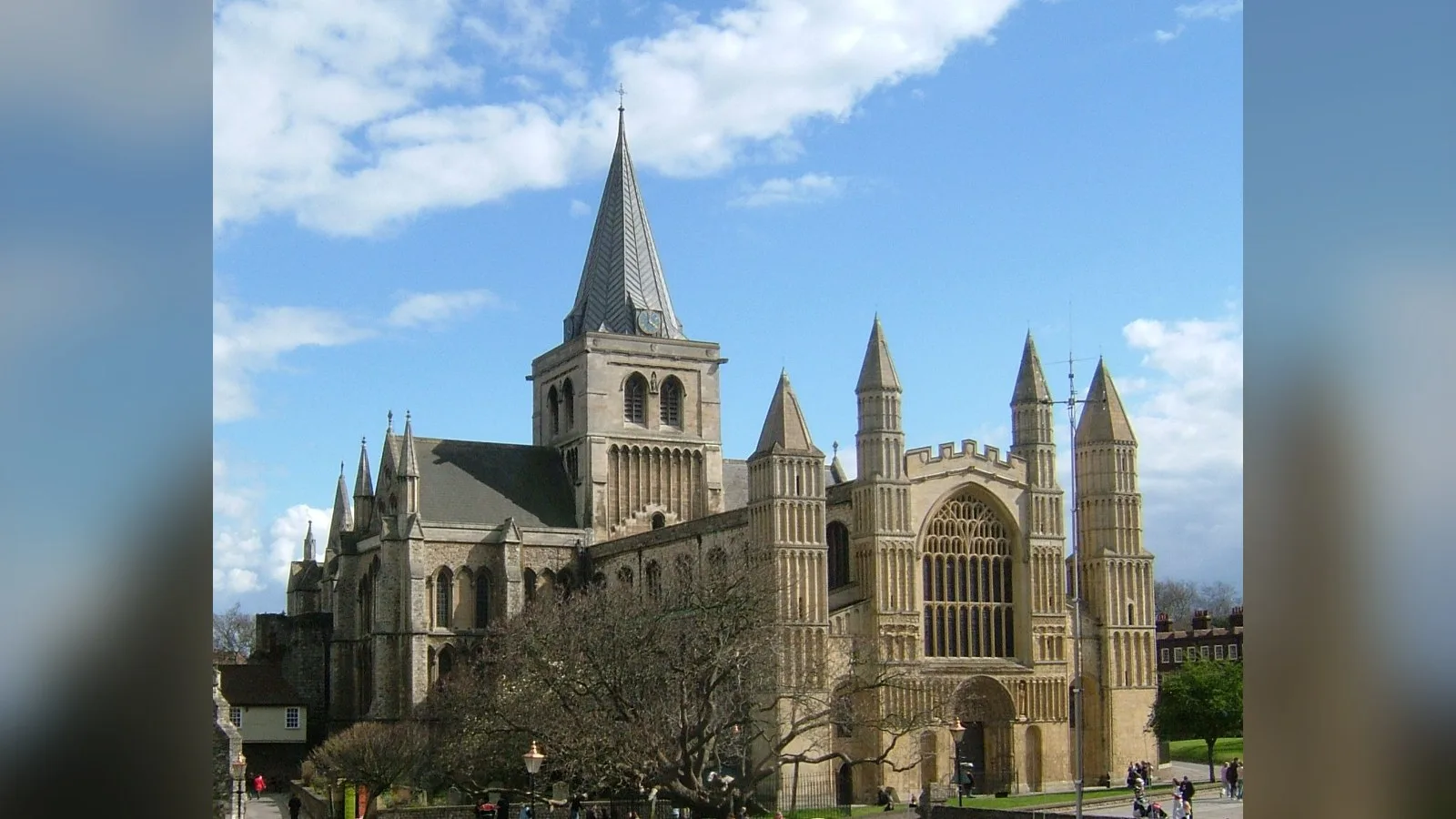
The Church of England is the established Christian church in England and the mother church of the worldwide Anglican Communion. Its identity combines continuity with the historic Christian church and the changes introduced during the Protestant Reformation. It serves communities through parish churches, cathedrals, schools and chaplaincies.
Historical background
Christianity existed in Britain before the arrival of Augustine of Canterbury, whose mission from Rome reached Kent in 597. Augustine became the first Archbishop of Canterbury, establishing a connection that remains central to the church’s history and leadership.
The Church of England separated from papal authority during the reign of Henry VIII. The Act of Supremacy of 1534 recognized the king as supreme head of the English church. Subsequent reigns brought major changes in doctrine and worship, including a restoration of papal authority under Mary I. The Elizabethan religious settlement of 1559 re-established royal supremacy and helped shape the church’s enduring institutional identity.
Beliefs and worship
The church professes the Christian faith expressed in the historic creeds and regards the Bible as foundational to its teaching. The Book of Common Prayer, particularly its 1662 edition, and the Thirty-nine Articles are historic Anglican formularies. Common Worship provides authorized contemporary services alongside the prayer book tradition.
Worship varies across evangelical, catholic and other Anglican traditions. Baptism and Holy Communion are central practices. The church’s calendar includes Christmas, Easter, Pentecost and commemorations of saints.
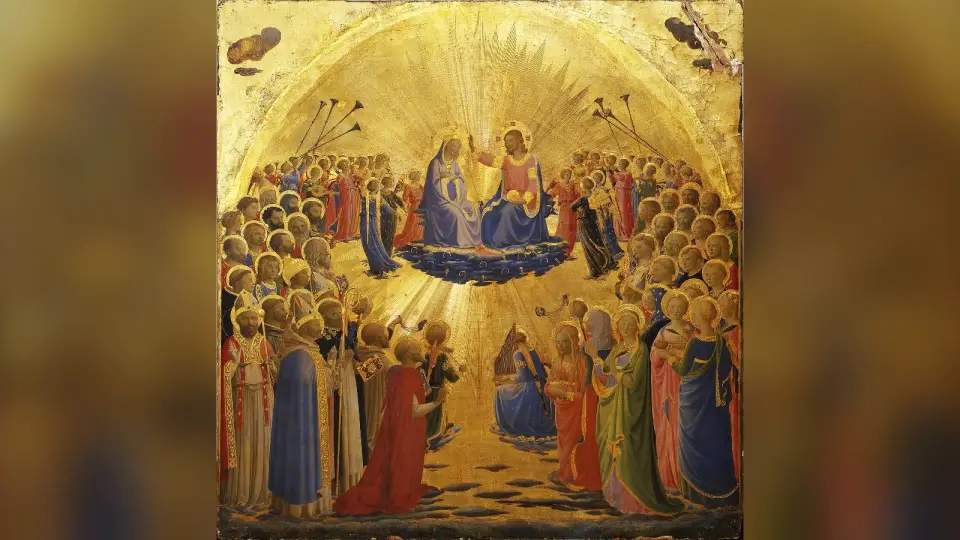
All Saints’ Day is observed on November 1, with provision in Common Worship for its celebration on a nearby Sunday. The calendar also includes the Commemoration of the Faithful Departed on November 2. These observances are distinct, and local service arrangements vary.
Leadership and governance
The British monarch is the church’s Supreme Governor. The Archbishops of Canterbury and York lead its two provinces, which are divided into dioceses overseen by bishops. The General Synod brings together bishops, clergy and lay representatives to consider legislation and matters affecting church life.
Public role
As an established church, it has formal connections with the state. Some diocesan bishops sit in the House of Lords as Lords Spiritual. Its clergy conduct weddings, funerals and other services, while its schools and charitable activities contribute to public life. Other churches within the Anglican Communion are self-governing, rather than branches administered by the Church of England.