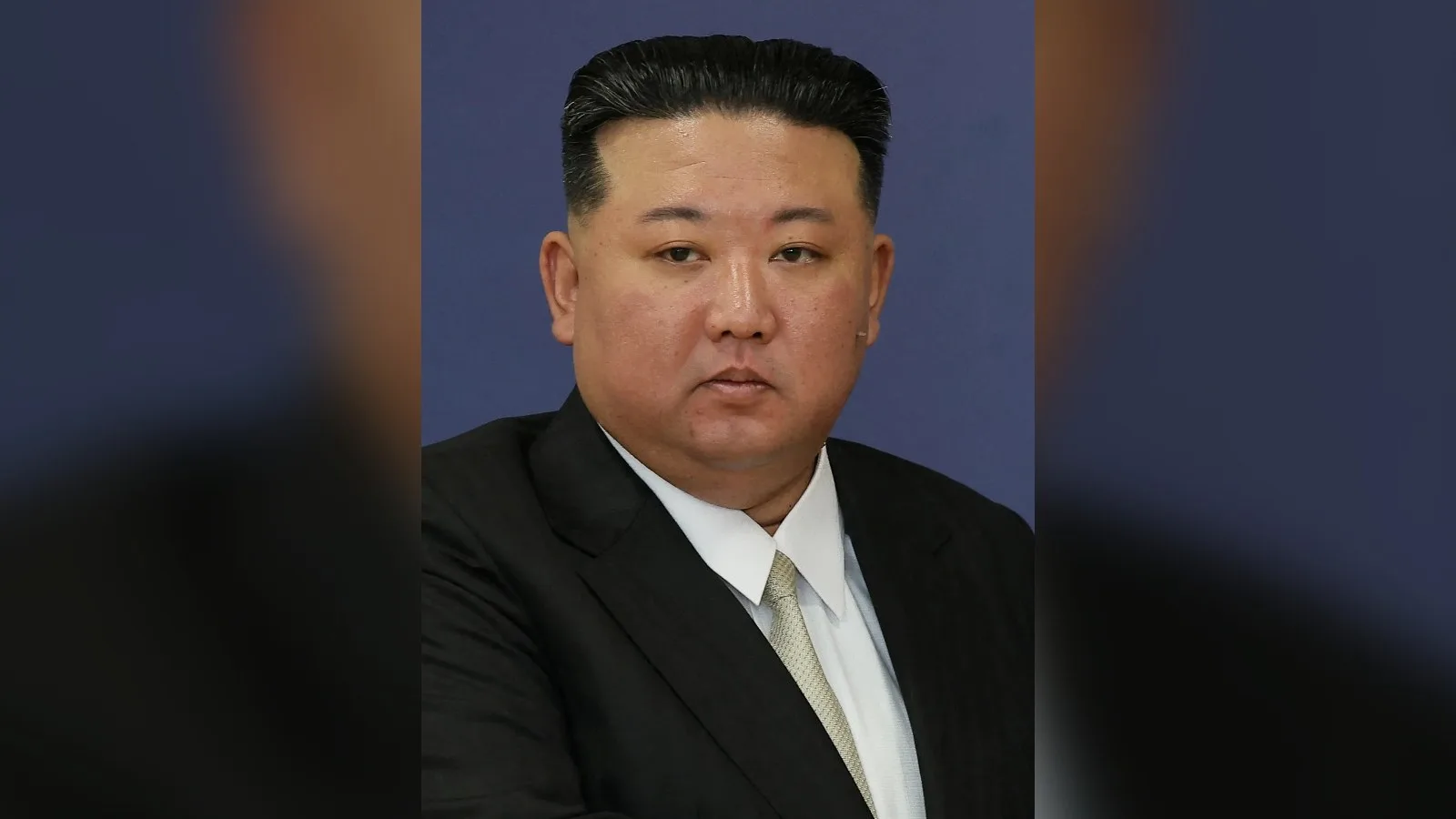
Kim Jong Un has led North Korea since the death of his father, Kim Jong Il, in December 2011. He is the third generation of the Kim family to govern the country, following his father and grandfather, founding leader Kim Il Sung. His leadership combines centralized political control with an expanding nuclear weapons and ballistic missile program.
Background and succession
Many details of Kim’s early life remain uncertain, including his precise birth date. He is widely reported to have attended school in Switzerland before returning to North Korea. His mother was Ko Yong Hui.
Kim emerged publicly as his father’s likely successor in 2010, when he was appointed a four-star general and given senior responsibilities in the ruling Workers’ Party of Korea. Following Kim Jong Il’s death, state institutions established him as the country’s new leader. His succession extended the family’s dominance over North Korea’s political system.
Leadership and domestic rule
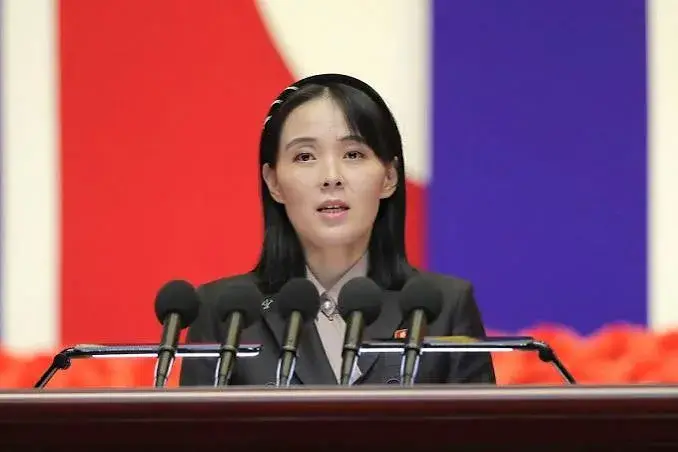
Kim became chairman of the State Affairs Commission in 2016 and general secretary of the Workers’ Party of Korea in 2021. He exercises authority through the party, military and security apparatus. His sister, Kim Yo Jong, is a senior party official who frequently issues statements on foreign affairs.
His rule has included purges of senior officials. In 2013, North Korea announced the execution of his uncle, Jang Song Thaek, who had previously been a powerful figure in the leadership.
United Nations investigations and international human rights organizations have documented severe restrictions on expression, movement and political participation in North Korea, alongside political imprisonment and forced labor. The government rejects international criticism of its human rights record.
Nuclear policy and diplomacy
Under Kim, North Korea has conducted nuclear tests and developed increasingly capable ballistic missiles, prompting international condemnation and United Nations sanctions. The government presents its nuclear arsenal as necessary for national security and the survival of the state.
Kim held three meetings with South Korean President Moon Jae-in in 2018. He also met United States President Donald Trump in Singapore that year, the first summit between sitting leaders of the two countries. Their second summit, in Hanoi in 2019, ended without an agreement. They met again at the inter-Korean border later that year.
Kim has also pursued relations with China and Russia. In June 2024, he and Russian President Vladimir Putin signed a comprehensive strategic partnership treaty in Pyongyang that included a mutual assistance provision in the event of armed aggression.