
Hollywood Mourns RJ Mitte as ‘Breaking Bad’ Star Dies at 34
The American actor, best known for playing Walter White Jr. in the acclaimed crime drama, has died in Texas, prompting tributes from co-stars and fans.
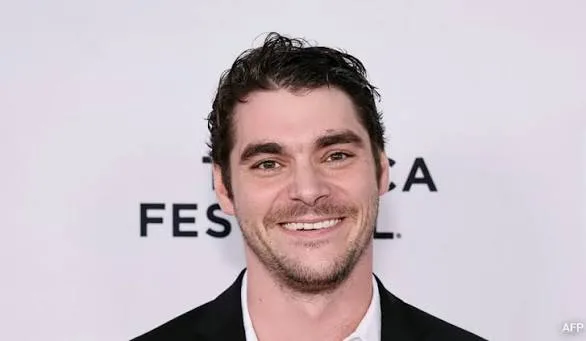
American actor RJ Mitte, who became widely known for portraying Walter “Flynn” White Jr. in the hit television series Breaking Bad, has died at the age of 34, prompting an outpouring of grief from colleagues and fans who admired both his acting and his advocacy for people with disabilities.
Mitte died on Monday, October 12, in Brownsville, Texas, according to his representatives and local authorities. Cameron County Justice of the Peace Cyndi Hinojosa told the Associated Press that he was pronounced dead at approximately 1:30 p.m. local time. His representatives announced his death in a statement but initially provided no cause. Reuters subsequently reported that a publicist confirmed he had died by suicide; further details surrounding the circumstances have not been disclosed.
Mitte rose to international prominence through Breaking Bad, the AMC drama that followed Walter White, a chemistry teacher who turns to manufacturing methamphetamine. Mitte played Walter White Jr., the son of Bryan Cranston’s central character, throughout the series’ five-season run from 2008 to 2013.
His performance became an important part of the show’s family storyline, particularly as the consequences of Walter White’s criminal activities increasingly affected those closest to him. The series earned widespread critical acclaim and helped establish Mitte as a recognizable face in television drama.
The role also carried personal significance. Mitte has cerebral palsy, as does the character he portrayed, allowing him to bring lived experience to a part that reached millions of viewers. His representatives said he used that visibility to challenge stereotypes and encourage greater inclusion of disabled people in entertainment.
Cranston, who played Mitte’s on-screen father, paid an emotional tribute following news of his death, describing himself as devastated by the loss. He recalled meeting Mitte when the young actor was just 14 and watching him develop into a talented performer during the filming of Breaking Bad.
Cranston also praised Mitte’s determination and his work advocating for performers with disabilities. He said the two had exchanged messages only weeks earlier while discussing the possibility of meeting for lunch, making the news especially painful.
Other cast members and entertainment figures also remembered Mitte as a warm presence whose contribution extended beyond the screen. His death has renewed attention to the impact he made within a series whose popularity continues well beyond its original television run.
Beyond Breaking Bad, Mitte appeared in the television series Switched at Birth and The Guardians of Justice, as well as films including The Oak Room and Triumph. In the latter, he played a high-school wrestler with cerebral palsy, continuing his involvement in stories that placed disabled characters at the centre rather than at the margins. He was also promoting a new film, Talking to Strangers, shortly before his death.
Mitte’s influence was not limited to acting. He served as an ambassador for United Cerebral Palsy and Shriners Children’s, and led the Mitte Foundation, which supported philanthropic initiatives and efforts to improve opportunities for people with disabilities. He also advocated for greater representation of disabled performers in an industry where authentic portrayals have historically been limited.
His career helped challenge the assumption that disability should define the limits of an actor’s professional opportunities. By drawing on his own experiences while building a career in mainstream entertainment, Mitte demonstrated the value of casting disabled performers in roles that reflect their lived realities.
His death at 34 is a loss to the entertainment industry and the disability-rights community alike. The tributes reflect not only the character audiences came to know on Breaking Bad, but also the work he pursued away from the cameras to encourage inclusion and challenge narrow expectations.
Mitte’s legacy will ultimately be measured by more than his best-known role. His work helped make disability representation part of a wider conversation about who gets to tell stories, whose experiences are visible and whose talents receive recognition. As colleagues and audiences remember him, that contribution remains an important part of his impact on television and beyond.
More on Entertainment
Entertainment
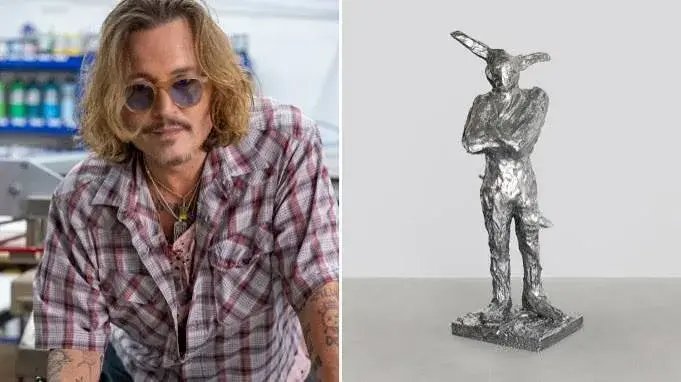
Johnny Depp Makes Sculpture Debut With The Bunnyman in Istanbul
21 Sept 2026
Entertainment
Davido’s 5IVE Wins Album of the Year at 2026 AFRIMMA
16 Sept 2026
Entertainment
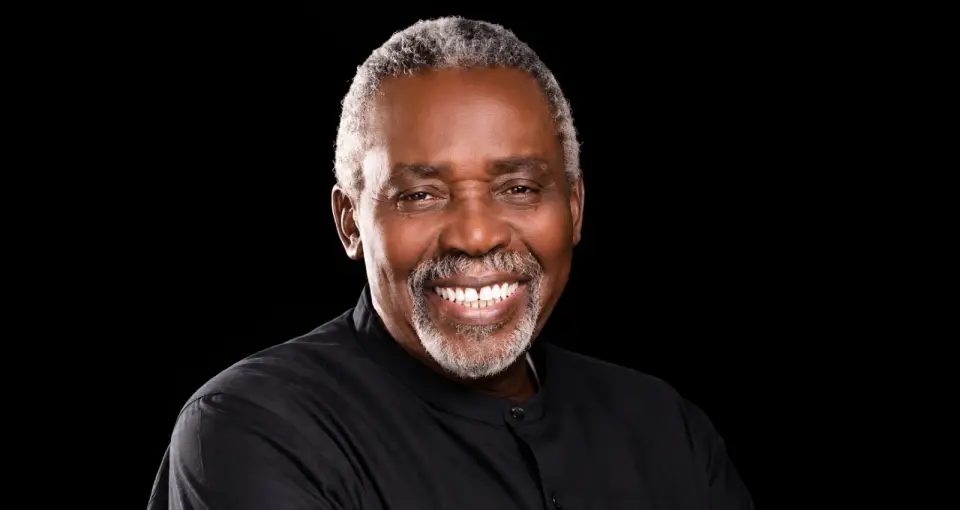
Nollywood Icon Olu Jacobs Dies at 84
16 Sept 2026
Entertainment
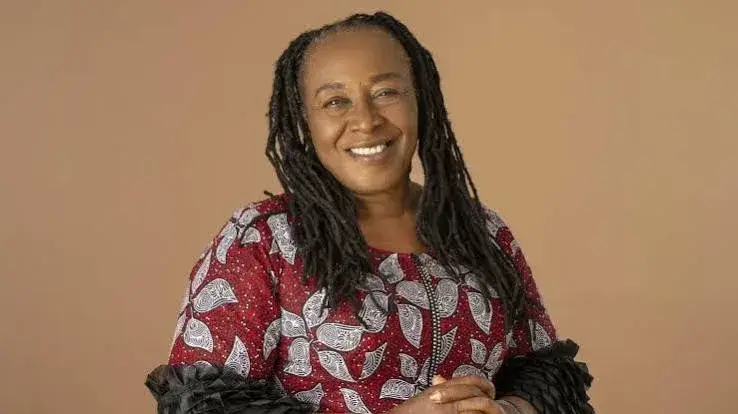
Patience Ozokwo Celebrates 68th Birthday with Gratitude to God and Fans
15 Sept 2026
Entertainment
Ed Sheeran Apologizes for ‘Mistakes’ After Macklemore’s Removal From US Tour
20 Sept 2026
You may also like
Entertainment
Bob Mackie, Legendary Designer Behind Cher's Iconic Looks, Dies at 87
15 Sept 2026
Entertainment
Brandy Headlines Flytime’s 2026 Detty December R&B Concert in Lagos
12 Oct 2026
Entertainment
Autopsy Reveals Hayden Panettiere Died From Fentanyl, Xanax Overdose
24 Sept 2026

Entertainment
Tems Says “I Am Off the Streets” After Opening Up About Love and Relationships
15 Sept 2026
Entertainment
Burna Boy Joins Dangote, Okonjo-Iweala on Forbes Africa’s 15 Icons List
12 Oct 2026
Entertainment
Dan Sur: The Rapper Who Replaced His Hair With Gold Chains
11 Oct 2026