
Glo at 23: 23.18 Million Subscribers Signal a Strong Telecom Comeback
Glo marks its 23rd anniversary with 23.18 million active subscribers, according to the latest data from the Nigerian Communications Commission.

Globacom is approaching its 23rd anniversary with a significantly stronger subscriber base, as fresh industry figures from the Nigerian Communications Commission (NCC) show the telecom operator with 23,178,597 active subscribers.
The figure, contained in the NCC's April 2026 industry statistics, puts Glo firmly among Nigeria's major mobile network operators and represents a notable recovery from the sharp subscriber losses the company experienced during the industry's NIN-SIM verification exercise.
Glo's active subscriber base rose from 20.61 million in April 2025 to 23.18 million a year later, adding about 2.57 million active lines over the period. At the same time, Nigeria's overall active mobile subscription base reached 188.01 million, with teledensity standing at 86.73 per cent.
The numbers give Glo an interesting anniversary backdrop.
The company, founded by Nigerian businessman Mike Adenuga, commenced operations in Nigeria on August 29, 2003, entering a market that was still in the early stages of the country's telecommunications revolution. Its early strategy of competing aggressively on pricing and introducing innovations such as per-second billing helped establish the brand as a major player in Nigeria's mobile industry.
More than two decades later, the market looks very different.
Nigeria now has nearly 190 million active mobile subscriptions, while mobile internet has become central to banking, commerce, entertainment, education and everyday communication. Broadband subscriptions reached about 120.68 million in April, according to the NCC data.
For Glo, however, the more interesting part of the latest numbers may be what is happening beyond voice subscriptions.
The operator has recently recorded strong growth in internet subscriptions. NCC figures for May showed Glo adding roughly 1.2 million internet subscribers in a single month, accounting for almost half of the 2.67 million increase recorded across the industry during the period. Its internet subscriber base rose from about 15.5 million in April to 16.8 million in May.
That shift reflects the changing nature of Nigeria's telecom market.
The battle is no longer simply about who can attract the most SIM cards. With smartphone use and mobile internet becoming increasingly important, operators are competing for customers who actively use data, digital services and broadband rather than merely maintaining a registered line.
Glo's subscriber recovery is particularly notable because the company was heavily affected by the sector-wide clean-up associated with the NIN-SIM verification exercise. The removal of inactive or improperly linked lines caused subscriber numbers across the industry to fall sharply, forcing operators to rebuild their active customer bases on a more realistic foundation.
The latest figures suggest Glo has been making progress on that front.
The operator has also continued pushing mass-market offerings, including its Talkmasta tariff and welcome bonuses aimed at attracting and retaining customers. Such efforts come at a time when Nigerian consumers are increasingly sensitive to the cost of telecommunications services and the value they receive for their money.
But the competitive environment remains intense.
MTN continues to dominate Nigeria's mobile market, while Airtel holds the second-largest position. May 2026 industry figures put MTN's active subscriber base at about 96.98 million and Airtel's at 65.45 million, illustrating the considerable gap Glo still faces at the top end of the market.
For Glo, therefore, the anniversary is not simply a celebration of longevity. It is also an opportunity to demonstrate that its recent recovery can develop into sustained growth.
The company's progress in internet subscriptions could prove particularly important as Nigeria's digital economy expands. Businesses, creators, students and consumers increasingly depend on reliable mobile data, while growing broadband usage is creating new opportunities for operators that can provide better networks and competitive pricing.
Twenty-three years after entering the Nigerian market, Glo remains a recognisable part of the country's telecommunications story.
Its 23.18 million active subscribers represent a smaller base than the company once reported before the industry-wide subscriber clean-up, but they also provide a clearer picture of customers who are genuinely active on the network.
And with internet usage now becoming the centre of the telecom battle, Glo's next chapter may depend less on how many numbers it can connect, and more on how effectively it can keep Nigerians connected.
More on Brands
Brands
Glo Café 3.0: Globacom Unveils AI-Powered Digital Revolution in Nigeria’s Telecom Space
6 Sept 2026

Brands
Glo Marks 23 Years with Bold Push for Better Customer Experience
13 Sept 2026
Brands
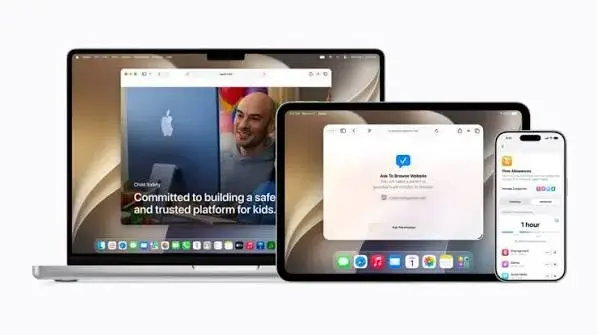
Apple Reinvents Child Safety on iPhone With Smarter Family Controls
17 Sept 2026
Brands
AI Can’t Replace Local Insight, Babaeko Tells Nigeria’s Media Agencies
17 Aug 2026
Brands
Apple Fan Brings 53 Old iPhones to Collect New Duo in Dubai
25 Oct 2026
Partner with Follow Global Trends
Display banners, sponsored stories and founder spotlights.
You may also like
Brands
Gucci Breaks With Tradition, Releases Luxury Sneakers 'Made in China'
29 Sept 2026

Brands
Converse Removes Ad After Backlash Over KKK Imagery Comparisons
20 Sept 2026

Brands
Jetour Targets Luxury SUV Buyers With X90 Plus Abuja Experience
19 Sept 2026
Brands
Gino’s Six-City Pop-Up Tour Unites Thousands Through Food, Music and Community
10 Sept 2026

Brands
Adidas Faces Boycott Calls Over Campaign Featuring Former Israeli Soldier
7 Sept 2026

Brands
The Brands Rewriting the South-East Story
30 Aug 2026