Why the Best Brand Campaigns of 2026 Feel Less Like Ads
From Dove and adidas to Suncorp and McDonald’s, the strongest campaigns of 2026 are turning advertising into experiences, products and real-world action.
The most memorable brand campaigns of 2026 have had one thing in common: they have tried to do something rather than simply say something.
Across the first half of the year, brands increasingly moved away from conventional advertising built around polished commercials and large media buys, instead creating products, experiences, partnerships and interventions that audiences could actually interact with. Marketing industry observers have identified this shift as one of the defining creative trends of 2026.
At the centre of that change is a growing demand for authenticity. Consumers are navigating a digital environment crowded with AI-generated content, synthetic influencers, increasingly personalized advertising and endless social-media feeds. Against that backdrop, campaigns that feel tangible, culturally relevant or genuinely useful have found a better chance of cutting through.
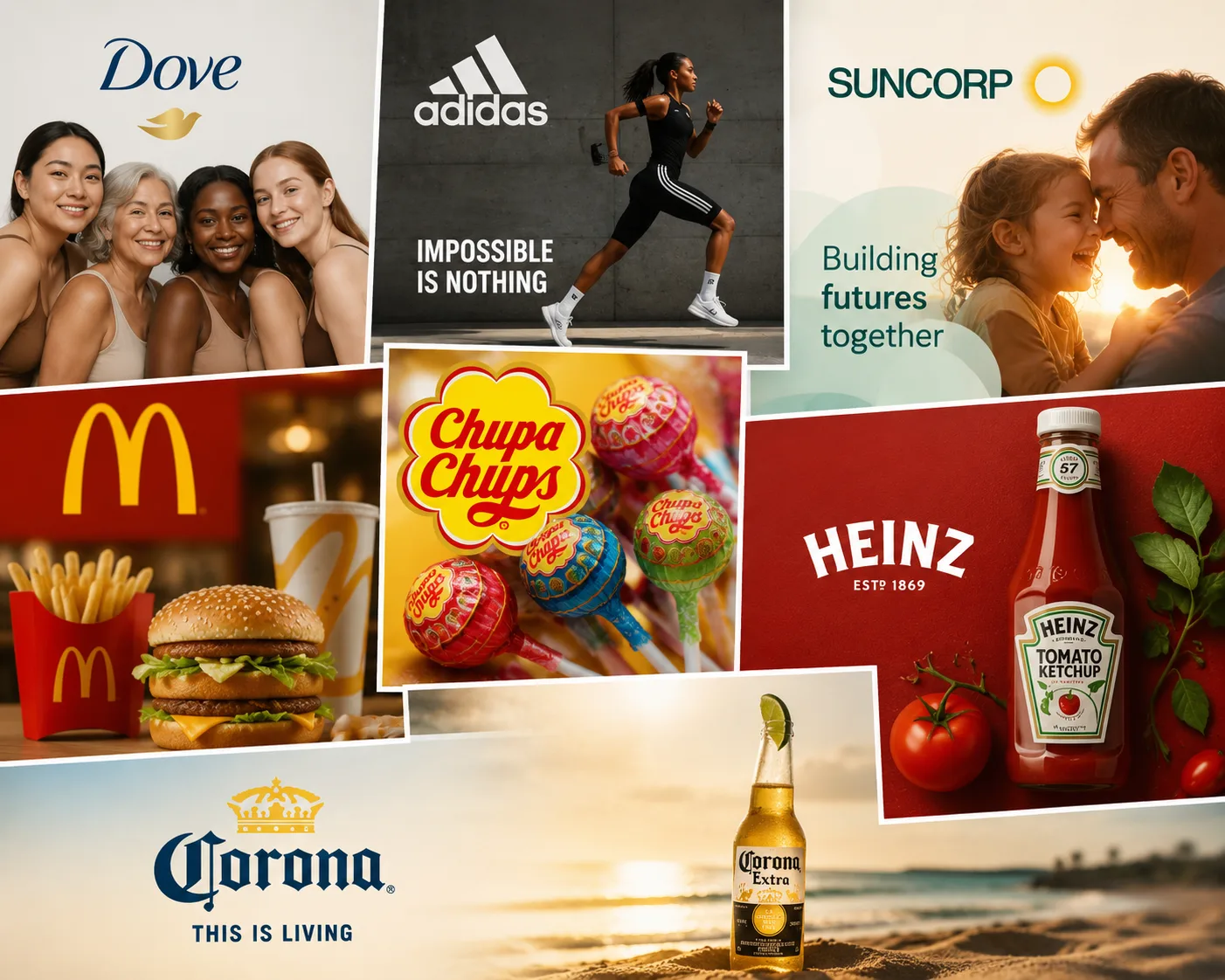
Dove has been one of the clearest examples. Its long-running Real Beauty platform remains one of the world's most influential brand campaigns, and the company has extended that thinking into its 2026 partnership around the FIFA World Cup. Its The Game Is Ours campaign focuses on keeping girls in sport by addressing body confidence and body-related criticism. Dove says it will also contribute money from product purchases towards organizations supporting girls in sport.
The campaign is significant because it connects a brand purpose to a major cultural moment without completely separating the message from the product. Instead of treating the World Cup simply as a huge advertising platform, Dove has used the tournament to reinforce a long-standing position around confidence and participation.
adidas, meanwhile, has taken a different route by leaning into cultural heritage. Its Original Forever campaign, created with Johannes Leonardo, won the Entertainment Lions Grand Prix at Cannes. The campaign drew on the brand's long relationship with Oasis, using official tour merchandise and live cultural moments to reconnect adidas with the band's audience.
The lesson from adidas is less about celebrity endorsement than cultural timing. At a moment when brands are competing aggressively for relevance, the campaign placed the brand inside an existing cultural community rather than trying to manufacture one.
Other brands have gone even further by turning everyday frustrations into creative opportunities. McDonald's, for example, transformed the long-running urban legend around a secret menu into an actual branded experience. Heinz created KegChup, while Corona introduced laser-etched limes designed to address the familiar problem of getting a lime wedge into a bottle. Chupa Chups redesigned its wrapper to make it easier to open, while Cadbury created a GooTool to tackle the mess associated with Creme Eggs.
These campaigns point to a broader shift in marketing thinking: sometimes the most effective advertisement is a useful idea.
Instead of telling consumers that a brand understands them, these campaigns attempt to demonstrate that understanding by fixing something small but recognizable. That gives the marketing a reason to exist beyond simply attracting attention.
The insurance sector has produced perhaps one of the year's more striking examples of this approach. Suncorp's Haven won the Dan Wieden Titanium Grand Prix at Cannes Lions after turning insurance from a largely reactive product into a tool for helping homeowners prepare for extreme weather. The digital platform uses multiple datasets to produce personalized assessments of household vulnerability and recommendations for improving resilience.
The significance of Haven is that the campaign effectively becomes a service. Instead of simply warning people about climate risks or asking them to buy insurance, Suncorp created a tool intended to help households understand and reduce those risks.
Cannes Lions recognized several campaigns in 2026 that reflected this broader movement. The festival awarded its inaugural Creative Brand Grand Prix to AB InBev's "Creativity at Scale", recognizing the company's wider approach to embedding creativity into its organization rather than judging a single advertising execution.
The festival also awarded Grand Prix honours to campaigns from countries and agencies that might not traditionally dominate global advertising conversations. Kenya secured its first-ever Cannes Lions Grand Prix, while Greece also collected its first Grand Prix, signalling how the creative centre of gravity continues to broaden beyond the industry's traditional powerhouses.
Creators have also become increasingly important to the brand equation. In 2026, influencer marketing is no longer simply an additional social-media channel for many companies. Creators increasingly operate as independent media businesses with their own communities, formats and distribution power. US creator advertising expenditure is projected to reach $44 billion this year, according to figures cited by Business Insider.
That evolution is changing what brands consider a campaign. A creator partnership can now become a programme, a live event, a product collaboration or an entire entertainment property. The relationship is less about renting celebrity attention and more about accessing an existing community.
Artificial intelligence has complicated the picture. While AI has become deeply embedded in advertising production and marketing operations, the mood at Cannes in 2026 was notably more measured than the excitement surrounding the technology a year earlier. Industry leaders were increasingly discussing where AI works and where it falls short, with greater emphasis placed on human creativity and judgement.
That may explain why some of the year's strongest campaigns have felt unusually human. They are rooted in cultural references, real frustrations, physical experiences, communities and practical problems — areas where technological efficiency alone cannot necessarily create emotional relevance.
The best campaigns of 2026 are therefore not necessarily the loudest or the most expensive. They are the ones that give audiences a reason to participate, talk, share, use, experience or believe. As consumers become more accustomed to algorithmically generated content, brands may increasingly have to prove that there is something real behind the message.
The broader significance is that advertising is gradually becoming less about making advertisements and more about creating things people actually want to engage with. The brands winning attention in 2026 are not abandoning traditional storytelling, but they are increasingly combining it with products, services, communities, creators and cultural moments. For businesses, that raises the standard: the strongest campaign may no longer be the one with the cleverest slogan, but the one that gives people a compelling reason to care.
More on Brands

Brands
Adidas Faces Boycott Calls Over Campaign Featuring Former Israeli Soldier
7 Sept 2026
Brands
Converse Removes Ad After Backlash Over KKK Imagery Comparisons
20 Sept 2026
Brands
AI Can’t Replace Local Insight, Babaeko Tells Nigeria’s Media Agencies
17 Aug 2026
Brands
Apple Fan Brings 53 Old iPhones to Collect New Duo in Dubai
25 Oct 2026
Brands
Gucci Breaks With Tradition, Releases Luxury Sneakers 'Made in China'
29 Sept 2026
Partner with Follow Global Trends
Display banners, sponsored stories and founder spotlights.
You may also like
Brands
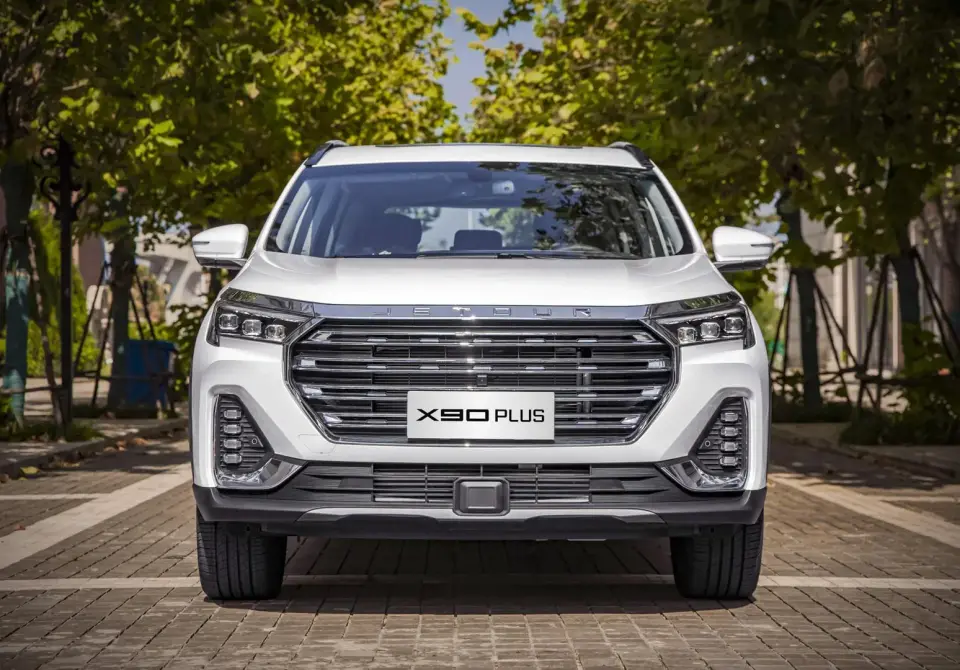
Jetour Targets Luxury SUV Buyers With X90 Plus Abuja Experience
19 Sept 2026
Brands
Apple Reinvents Child Safety on iPhone With Smarter Family Controls
17 Sept 2026
Brands
Glo Marks 23 Years with Bold Push for Better Customer Experience
13 Sept 2026
Brands
Gino’s Six-City Pop-Up Tour Unites Thousands Through Food, Music and Community
10 Sept 2026
Brands
Glo Café 3.0: Globacom Unveils AI-Powered Digital Revolution in Nigeria’s Telecom Space
6 Sept 2026
Brands
The Brands Rewriting the South-East Story
30 Aug 2026