Europe Caught in Eclipse Fever as Protective Glasses Fly Off Shelves
Europe is scrambling for protective eclipse glasses as pharmacies, opticians and shops struggle to meet surging demand ahead of Wednesday’s rare total solar eclipse.
A rare total solar eclipse is turning protective eyewear into one of Europe's most sought-after accessories, with shops and online retailers struggling to keep up with a surge in demand ahead of Wednesday's spectacular celestial event.
The August 12, 2026 eclipse is expected to draw millions of people outdoors across Europe, with parts of northern Spain, Iceland and other locations along the path of totality preparing for one of the most dramatic astronomical events in years. Across much of the rest of Europe, the eclipse will appear partial, with the Moon covering a substantial portion of the Sun.
But for many would-be spectators, the biggest challenge has arrived before the eclipse itself: finding certified glasses that are actually safe to use.
In France, demand for protective eyewear has surged so sharply that shortages are being reported ahead of the event. Retailers have seen people rushing to buy glasses, while astronomy organisations and other suppliers have struggled to meet last-minute demand.
The same scramble is being reported in the United Kingdom. Several high-street outlets and online sellers have run short of supplies, while the Royal Observatory Greenwich has reportedly sold out of eclipse glasses following an unusually strong spike in demand. Some buyers have resorted to borrowing glasses or searching multiple shops in the hope of finding a certified pair before the eclipse begins.
The rush is understandable because this is the first total solar eclipse visible from parts of Europe in 27 years, making the August event a major public spectacle. The Moon's shadow will cross the Arctic, Greenland, Iceland, the Atlantic and northern Spain, while a partial eclipse will be visible across a much wider section of Europe and parts of North Africa.
For those outside the narrow path of totality, however, the Sun will remain partially visible throughout the event and that is where the greatest eye-safety risk lies. Looking directly at the Sun during the partial phases can cause solar retinopathy, in which intense radiation damages the retina. The danger is particularly deceptive because retinal damage may not be immediately painful or obvious.
Ordinary sunglasses are not enough. Experts recommend purpose-made eclipse glasses that comply with the ISO 12312-2 safety standard. Guidance prepared for the 2026 eclipse also warns consumers to check the authenticity and condition of their eyewear, because damaged or counterfeit filters can expose the eyes to dangerous levels of sunlight.
That warning has become increasingly relevant as the shortage creates an opportunity for questionable products to enter the market.
Previous eclipses have been accompanied by counterfeit or incorrectly manufactured viewing glasses, and the combination of intense public demand and limited supply can make consumers more willing to buy from unfamiliar sellers. Astronomy groups are therefore urging people not to treat every pair labelled “eclipse glasses” as automatically safe.
Across Europe, enthusiasts have been planning viewing trips months in advance, while hotels, tourism operators, astronomy clubs and local authorities prepare for visitors travelling to areas with the best chance of seeing totality. The eclipse is expected to provide a significant boost to tourism in some locations along its path.
Spain is likely to be one of the major centres of attention. The path of totality crosses northern Spain, bringing cities and communities that sit directly along the route into the international spotlight. The eclipse will also pass over parts of the Balearic Islands, creating opportunities for both residents and visitors to witness the brief period when the Moon completely blocks the Sun's bright surface.
During totality itself, conditions change dramatically. The sky can darken, temperatures may fall and the Sun's outer atmosphere—the corona, becomes visible around the black disc of the Moon. It is one of the rare moments when observers within the path of totality can safely look directly at the eclipsed Sun without eclipse glasses.
But that exception lasts only for totality.
As soon as the bright solar surface begins to reappear, viewers must put their certified eye protection back on. Anyone watching a partial eclipse must keep the protection in place throughout direct viewing.
The eclipse is also attracting scientific interest beyond the spectacle.
The European Space Agency has been modelling and studying the event to better understand the Sun's corona and the effects of a sudden reduction in sunlight on Earth's atmosphere. Solar eclipses provide researchers with unusually predictable opportunities to study changes in atmospheric conditions as incoming solar radiation rapidly falls and then returns.
That combination of science, tourism and public excitement explains why the demand for glasses has been so intense.
The eclipse itself will last only a short time in any individual location, but preparation has become a much bigger event. People are booking travel, securing viewing locations, checking weather forecasts and, increasingly, hunting for the one piece of equipment they need before looking skyward.
For FollowGlobalTrends, the scramble for eclipse glasses is more than a quirky retail story. It shows how a rare natural event can quickly ripple through everyday life, from tourism and hospitality to retail, public safety and scientific research. It also offers a timely reminder that spectacular events can create their own risks when millions of people suddenly attempt to experience the same phenomenon at once.
Europe is ready for the eclipse. The question for many spectators now is whether they can find a safe pair of glasses before the Moon begins its historic journey across the Sun.
More on Weather
Weather
UAE Weather Turns Unsettled Again as Rain Hits Al Ain and Shawkah
26 Aug 2026

Weather
7.0-Magnitude Earthquake Hits China’s Tibet, Killing at Least 16
23 Oct 2026
Weather
UAE Feels First Autumn Chill as Temperatures Hit 18.6°C
29 Sept 2026

Weather
Bangkok Declared Disaster Zone as Heavy Rains Cause Severe Flooding
26 Sept 2026
Weather
Anambra Flood Tragedy: One Schoolchild Missing as Police Rescue Nine From Submerged Bus
23 Sept 2026
Partner with Follow Global Trends
Display banners, sponsored stories and founder spotlights.
You may also like

Weather
Autumn to Begin in UAE on September 23 as Temperatures Set to Gradually Fall
21 Sept 2026
Weather
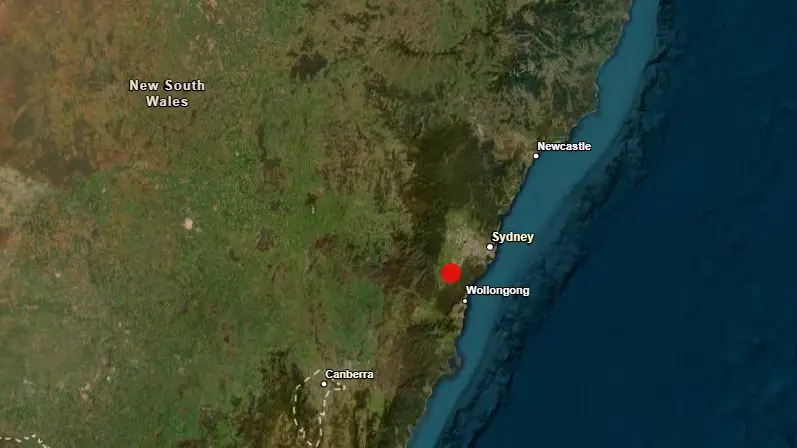
Sydney Rattled by 3.4-Magnitude Earthquake as Hundreds Feel Ground Shake
28 Aug 2026
Weather
24 Canadians Among Hundreds Missing After Deadly Nepal Floods
27 Aug 2026
Weather
Abu Dhabi Hit by Heavy Rain and Lightning as Unstable Weather Sweeps Capital
21 Aug 2026

Weather
Indonesia Quake Turns Morning Into Chaos as 20 Die and Thousands Flee
15 Aug 2026
Weather
Colombia Hit by Powerful 7.4-Magnitude Earthquake as Damage Assessment Begins
10 Aug 2026