Severe storms, torrential rain, and tornado damage have disrupted voting operations across several U.S. regions on Election Day, forcing emergency officials to relocate multiple polling stations.
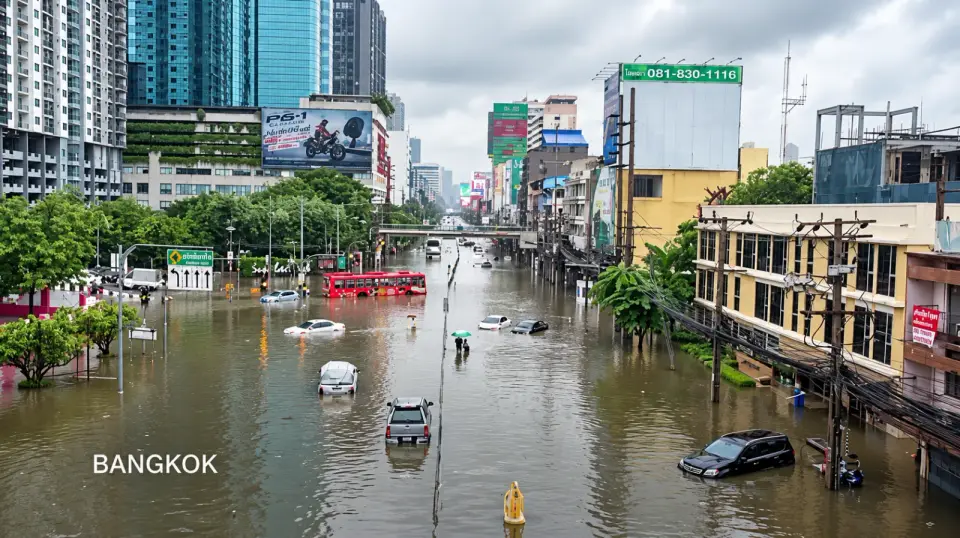
The most severe disruptions occurred along Florida’s Atlantic coast, where historic downpours left key roads impassable and flooded designated voting facilities. Across the central plains, lingering damage from weekend tornadoes also required last-minute precinct changes.
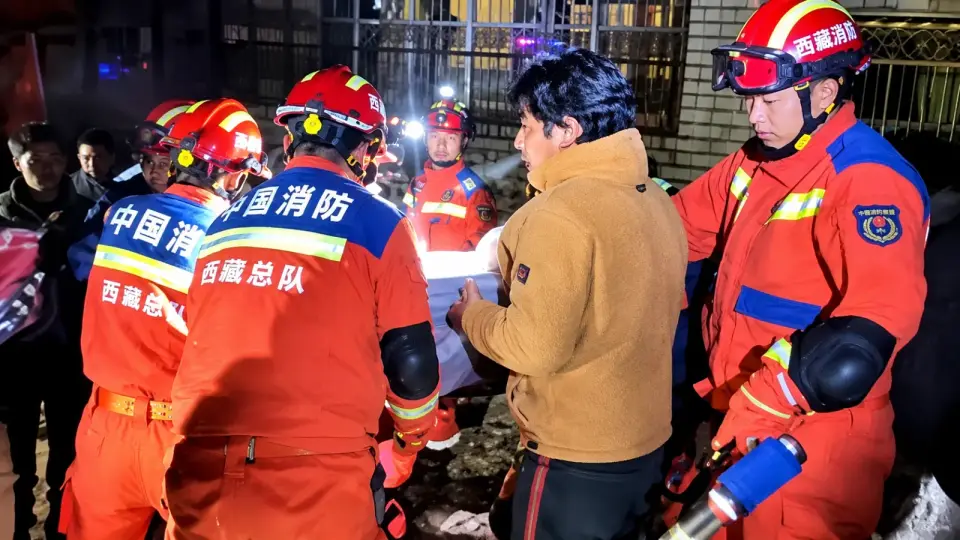
Election administrators worked overnight to move equipment, post detour notices, and alert registered voters to ensure balloting could proceed safely as polls opened Tuesday morning.
Polling Stations Relocated Across Florida
In Florida, emergency declarations covered seven Atlantic coast counties following extreme rainfall that dumped up to 22 inches of water over a 24-hour period in hard-hit communities such as Palm Bay.
State election authorities confirmed that at least 18 polling locations had to be moved across Brevard, Highlands, Indian River, Martin, Okeechobee, Palm Beach, and St. Lucie counties. Floodwaters inundated access roads, parking lots, and community buildings previously selected as polling precincts.
In Brevard County, election administrators relocated voters originally assigned to the Max K. Rodes Park Community Center and the Veterans Memorial Complex to the New Shiloh Christian Center in Melbourne. Local election supervisors noted that the emergency moves were essential to safeguard election workers and voters.
Similar adjustments took place in St. Lucie County, where voters assigned to the Oak Hammock K-8 School and the Disabled American Veterans Hall were shifted to the Port St. Lucie Community Center. In Palm Beach County, election teams reassigned two flooded facilities to alternate community centers and sent direct text and email alerts to affected voters.
Tornado Damage Prompts Oklahoma Precinct Shift
In the Oklahoma Panhandle, severe weather damage earlier in the week forced emergency relocations for Election Day voters in Cimarron County.
An EF1 tornado packing estimated winds of 100 miles per hour struck the town of Keyes late Sunday night, tearing off roofs, downing power lines, and collapsing an exterior wall at the Keyes Community Center.
Because the community center served as the primary precinct polling site for the area, county election board officials declared the facility unsafe and transferred voting operations to the Keyes City Hall.
Emergency management teams coordinated with county election workers to clear immediate debris and ensure backup power and voting booths were fully functional when voting began.
Severe Storm Threats Across the Central States
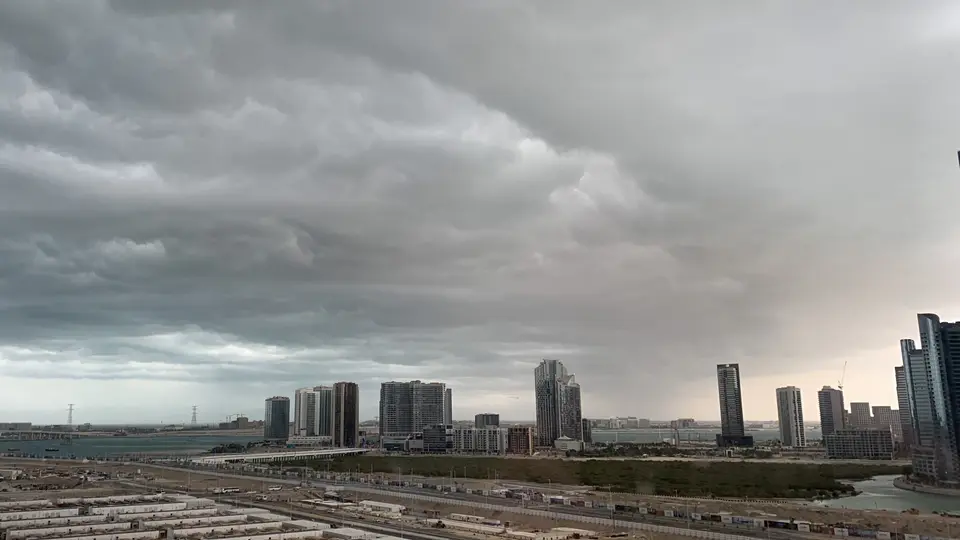
Beyond localized facility damage, meteorologists tracked a sweeping cold front delivering heavy rain, gusty winds, and isolated severe thunderstorms from the Gulf Coast into the Midwest.
Tornado watches remained active into early Tuesday morning across sections of Texas, Oklahoma, and Arkansas. Forecasters warned that saturated ground across the lower Mississippi Valley and parts of the Southeast would increase the risk of localized flash flooding as lines of storms pushed eastward into Alabama, Mississippi, and Tennessee throughout voting hours.
While dry conditions favored voters across the Northeast and West Coast, election observers noted that persistent rain and flooded roadways in competitive districts could complicate physical travel to polling precincts.
Voting Procedures and Voter Access
Under state voting regulations, voters assigned to relocated precincts must cast their ballots at designated emergency locations to ensure standard ballot processing.
Election offices throughout affected counties deployed signage at closed voting halls to redirect residents to replacement facilities. Officials urged voters in storm-hit regions to verify their assigned voting precinct online before heading to the polls and to allow additional travel time due to standing water and road closures.
Polls across the affected areas remain scheduled to operate under regular statutory hours, with election workers prepared to process all eligible voters who are in line before poll-closing deadlines.