
Bangkok Declared Disaster Zone as Heavy Rains Cause Severe Flooding
Bangkok has been declared a disaster zone after severe flooding submerged roads, disrupted transport and forced authorities to intensify emergency rescue operations across the Thai capital.
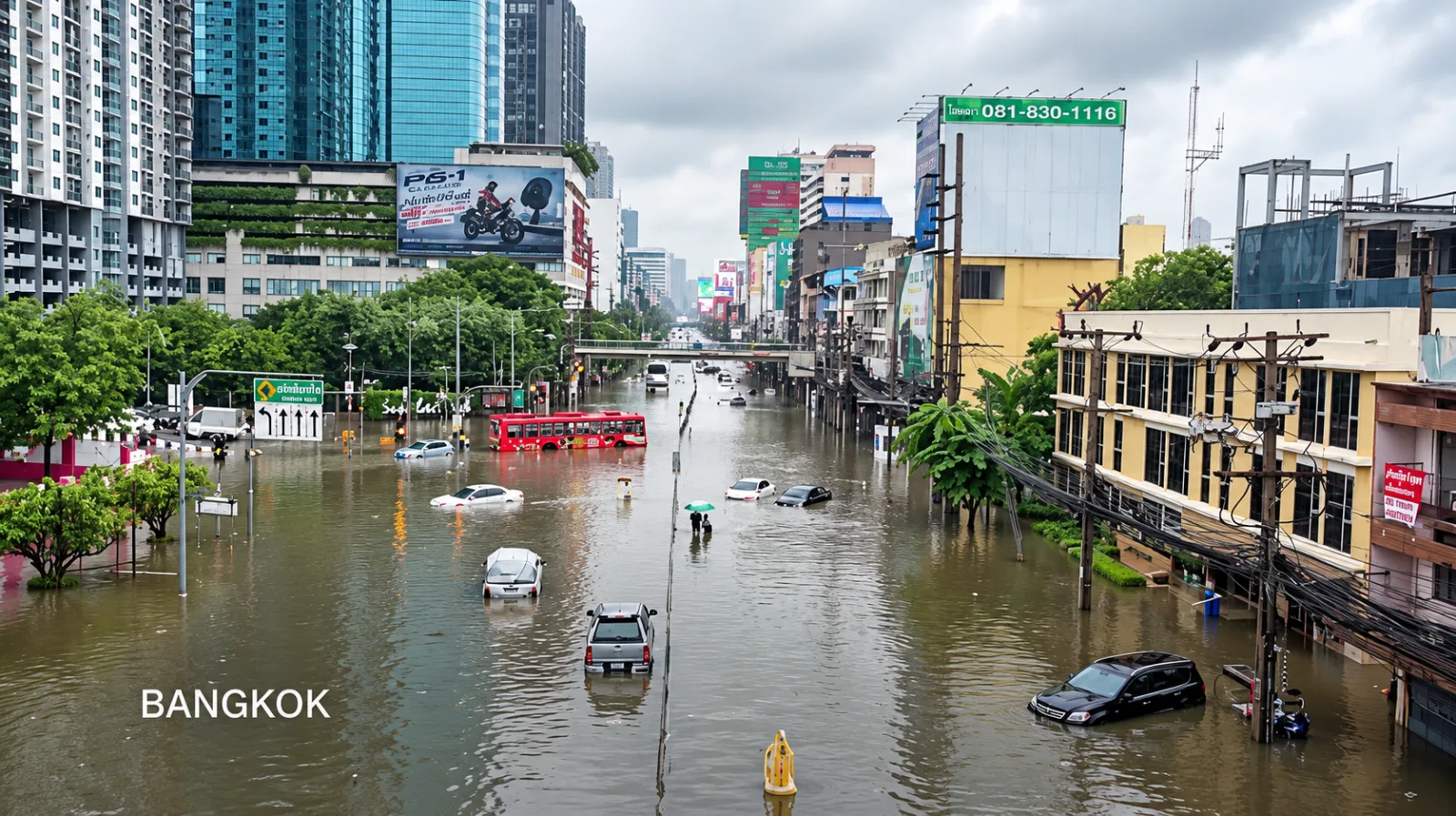
Thailand’s capital, Bangkok, has officially been declared a disaster-affected zone after relentless torrential rainfall caused severe flooding across large parts of the city, overwhelming drainage systems and disrupting transport, businesses and daily life. The declaration was made on Saturday by Bangkok Governor Chadchart Sittipunt as emergency agencies intensified rescue and relief operations.
Nearly 300 millimetres (12 inches) of rain fell within just 48 hours, leaving major roads submerged, vehicles partially underwater and residents forced to wade through waist-high floodwaters in some neighbourhoods. The flooding has been particularly severe in districts located near Bangkok’s extensive canal network, where rapidly rising water levels overwhelmed surrounding communities.
Announcing the disaster designation, Governor Chadchart warned that the flooding posed an immediate threat to lives and property.
“The crisis poses a risk to people’s lives and could damage both public and private property,” he said, adding that conditions were most critical in communities bordering canals.
The Thai military has joined disaster response efforts by establishing temporary shelters, field kitchens and emergency relief centres for displaced residents. Meanwhile, the Bangkok Metropolitan Administration has converted several schools into temporary accommodation and urged residents to avoid unnecessary travel as floodwaters continue to affect mobility across the city.
The government has also issued an emergency advisory for people living near canals, urging households to move valuable belongings to higher ground and prepare for further flooding as heavy rainfall persists over the weekend. Thailand’s Meteorological Department has forecast additional thunderstorms across Bangkok and surrounding provinces, raising concerns that water levels could rise again.
Despite widespread flooding across the capital, Suvarnabhumi International Airport has continued operating normally. However, Thailand’s tourism authorities have advised passengers to allow an additional two to three hours for journeys to the airport because of traffic congestion and flooded roads.
For many Bangkok residents, the speed of the flooding has been deeply unsettling. Nineteen-year-old Sansuk Laowatcharakul said she was facing the emergency alone for the first time.
“I’m worried too, because I haven’t stocked up on food beforehand, and I’ve never faced this kind of situation alone before, since my parents aren’t with me,” she said.
Her experience reflects the anxiety felt across many affected communities, where families have been scrambling to protect homes, secure essential supplies and navigate rapidly changing flood conditions.
Bangkok’s vulnerability stems from its geography. Much of the sprawling metropolis sits on low-lying land along the Chao Phraya River, making it especially susceptible to flash flooding during the annual monsoon season when intense rainfall coincides with high tides and limited drainage capacity.
The latest disaster comes less than a year after Thailand experienced its worst floods in decades in November, when at least 145 people lost their lives and thousands of homes were damaged across the country’s southern provinces. That catastrophe intensified calls for stronger flood management infrastructure and greater climate resilience nationwide.
As emergency crews continue pumping water from flooded districts and assisting stranded residents, Bangkok’s immediate priority remains protecting lives and restoring essential services. But the crisis also underscores a broader reality confronting many Asian megacities: increasingly intense rainfall, rapid urbanization and climate change are combining to make extreme flooding not an occasional disaster, but a recurring challenge demanding long-term adaptation and resilient urban planning.
More on Weather
Weather
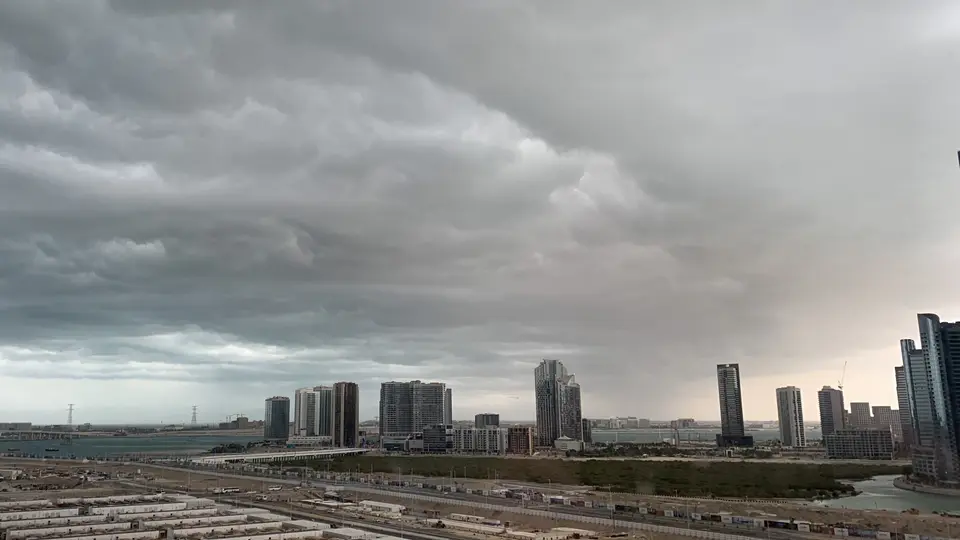
Abu Dhabi Hit by Heavy Rain and Lightning as Unstable Weather Sweeps Capital
21 Aug 2026
Weather
Anambra Flood Tragedy: One Schoolchild Missing as Police Rescue Nine From Submerged Bus
23 Sept 2026

Weather
7.0-Magnitude Earthquake Hits China’s Tibet, Killing at Least 16
23 Oct 2026

Weather
Autumn to Begin in UAE on September 23 as Temperatures Set to Gradually Fall
21 Sept 2026

Weather
Indonesia Quake Turns Morning Into Chaos as 20 Die and Thousands Flee
15 Aug 2026
Partner with Follow Global Trends
Display banners, sponsored stories and founder spotlights.
You may also like
Weather
Colombia Hit by Powerful 7.4-Magnitude Earthquake as Damage Assessment Begins
10 Aug 2026

Weather
UAE Feels First Autumn Chill as Temperatures Hit 18.6°C
29 Sept 2026
Weather
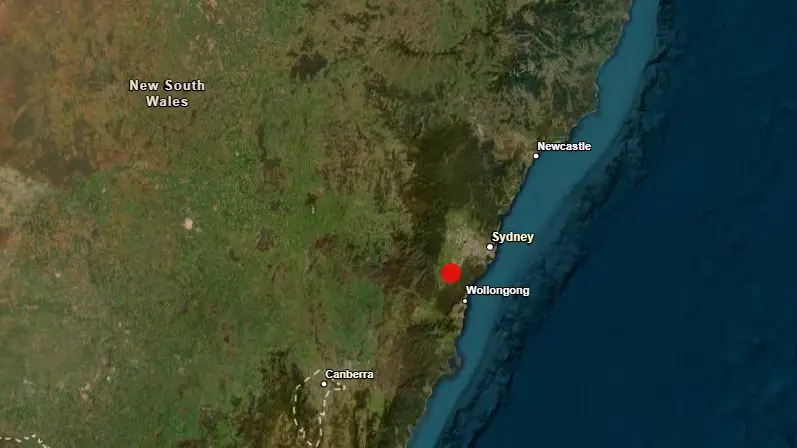
Sydney Rattled by 3.4-Magnitude Earthquake as Hundreds Feel Ground Shake
28 Aug 2026
Weather
24 Canadians Among Hundreds Missing After Deadly Nepal Floods
27 Aug 2026
Weather
UAE Weather Turns Unsettled Again as Rain Hits Al Ain and Shawkah
26 Aug 2026
Weather
Europe Caught in Eclipse Fever as Protective Glasses Fly Off Shelves
12 Aug 2026