
Abu Dhabi Hit by Heavy Rain and Lightning as Unstable Weather Sweeps Capital
Heavy rain and thunderstorms swept parts of Abu Dhabi on Friday, prompting authorities to close public parks and beaches.
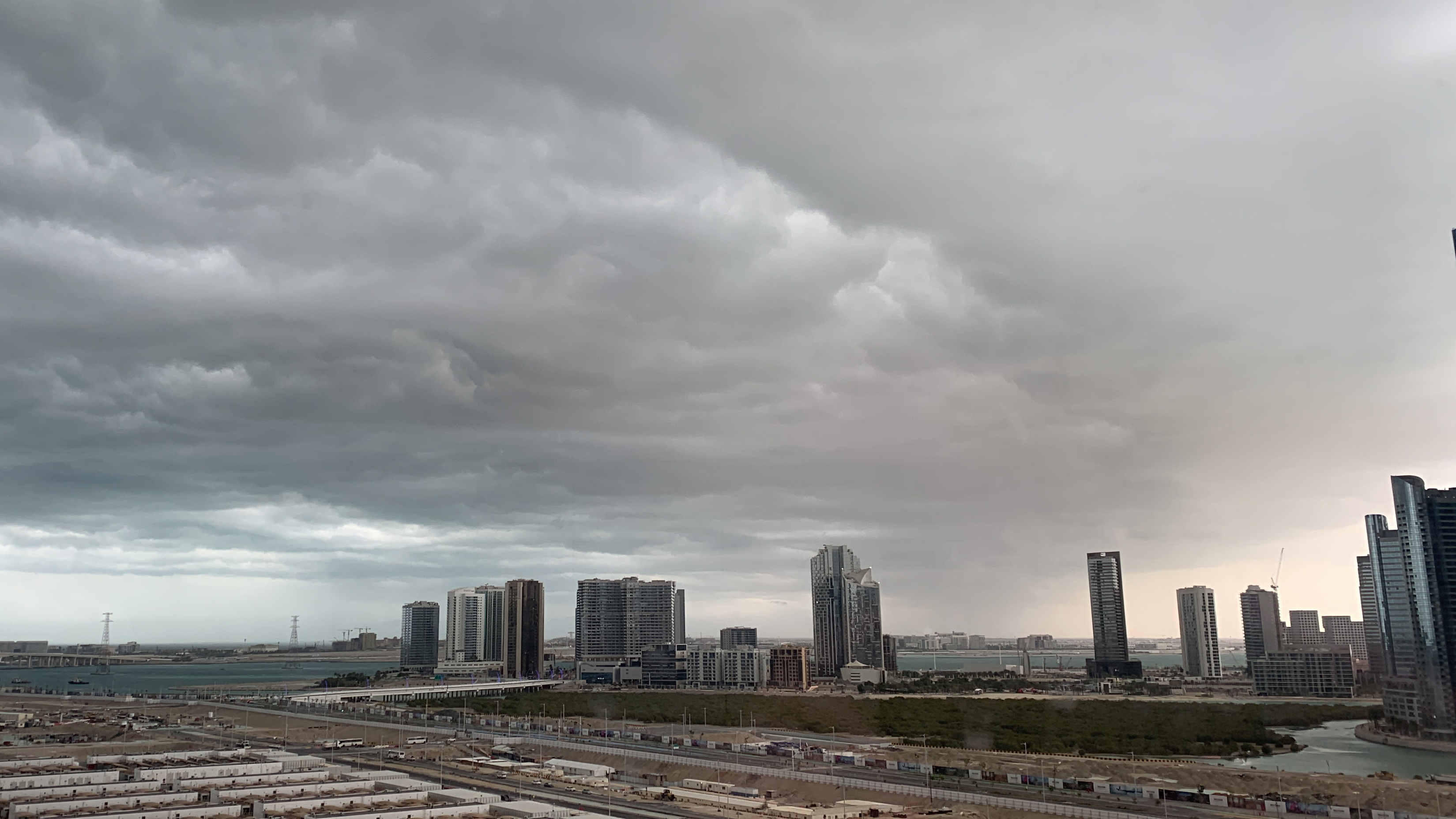
Abu Dhabi experienced an unusual burst of summer weather on Friday as heavy rain, thunderstorms and lightning swept parts of the emirate, prompting authorities to temporarily close public parks, recreational facilities and municipal beaches.
The Abu Dhabi City Municipality announced the precautionary closures as unstable weather moved across the capital. The affected facilities will remain closed until further notice, with scheduled events also suspended as authorities assess the conditions.
The rainfall marks the first reported rain in Abu Dhabi this summer and comes after weeks of intense heat. Images and videos shared from the emirate showed dark storm clouds, heavy downpours and lightning across parts of the capital, providing a sharp contrast to the typically dry and extremely hot August conditions.
The National Centre of Meteorology (NCM) has indicated that the unsettled pattern is not necessarily over. Its latest weather information points to the possibility of further convective cloud development and rainfall, particularly over eastern and southern parts of the UAE. The NCM also warned of fresh to strong winds at times, with blowing dust and sand possible.
Rain was also reported elsewhere in the UAE on Friday. Al Ain experienced showers, while Fujairah saw cloudy conditions and periods of light drizzle. Forecasters expect additional cloud development over eastern areas on Sunday, with another possibility of afternoon convection on Monday.
The sudden change has brought a corresponding shift in public-safety advice. Abu Dhabi Police urged motorists to drive carefully, follow temporary speed limits where activated and maintain greater distances between vehicles. Drivers were also warned against sudden braking or sharp maneuvers on wet roads, while residents were advised to avoid valleys and areas where water has accumulated.
For a city accustomed to prolonged summer heat, the intensity of the weather has also turned attention towards the practical challenges posed by sudden rainfall. Heavy downpours can quickly create standing water, reduce visibility and make driving more hazardous, particularly when strong winds and thunderstorms accompany the rain.
The weather event also fits into a broader pattern of increasingly notable rainfall episodes across the UAE in recent years. The country experienced an exceptional rainfall event in April 2024, when record-breaking precipitation caused widespread flooding and disruption. While Friday's storm is nowhere near comparable in reported scale, the recurrence of intense rainfall episodes continues to highlight the importance of forecasting, drainage capacity and public preparedness in a country where heavy rain is relatively infrequent.
For residents and visitors, the immediate message from authorities is one of caution rather than alarm. Parks and beaches have been closed as a preventive measure, while police and weather officials continue to monitor conditions. The coming days will determine whether Friday's storm remains a brief summer interruption or develops into a wider spell of unstable weather.
The significance of the Abu Dhabi storm goes beyond the spectacle of lightning over the capital. In a rapidly developing desert city, even short periods of intense rainfall can test roads, drainage systems, public spaces and emergency preparedness. As unusual weather events become more prominent across the Gulf, the ability to forecast, communicate and respond quickly may become just as important as the infrastructure built to withstand the region's extreme heat.
More on Weather
Weather
UAE Weather Turns Unsettled Again as Rain Hits Al Ain and Shawkah
26 Aug 2026

Weather
Bangkok Declared Disaster Zone as Heavy Rains Cause Severe Flooding
26 Sept 2026

Weather
UAE Feels First Autumn Chill as Temperatures Hit 18.6°C
29 Sept 2026
Weather
Anambra Flood Tragedy: One Schoolchild Missing as Police Rescue Nine From Submerged Bus
23 Sept 2026

Weather
Autumn to Begin in UAE on September 23 as Temperatures Set to Gradually Fall
21 Sept 2026
Partner with Follow Global Trends
Display banners, sponsored stories and founder spotlights.
You may also like
Weather
24 Canadians Among Hundreds Missing After Deadly Nepal Floods
27 Aug 2026
Weather
Colombia Hit by Powerful 7.4-Magnitude Earthquake as Damage Assessment Begins
10 Aug 2026

Weather
7.0-Magnitude Earthquake Hits China’s Tibet, Killing at Least 16
23 Oct 2026
Weather
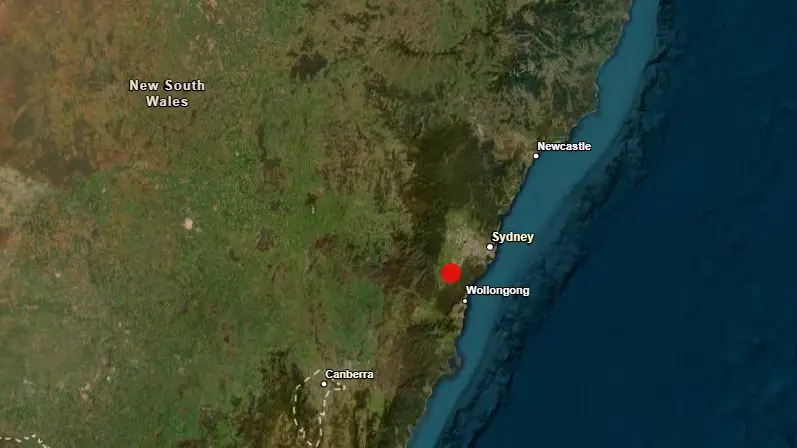
Sydney Rattled by 3.4-Magnitude Earthquake as Hundreds Feel Ground Shake
28 Aug 2026

Weather
Indonesia Quake Turns Morning Into Chaos as 20 Die and Thousands Flee
15 Aug 2026
Weather
Europe Caught in Eclipse Fever as Protective Glasses Fly Off Shelves
12 Aug 2026