The Enugu State House of Assembly has passed a bill seeking to limit rent increases to two per cent after a minimum four-year period.
The proposed amendment also allows landlords to increase rent by up to 10 per cent where they carry out substantial and verifiable renovations.
Lawmakers passed the bill on Tuesday, November 17, after adopting a joint committee report and considering its provisions clause by clause.
The legislation is intended to address complaints about rising accommodation costs and arbitrary rent increases across Enugu State.
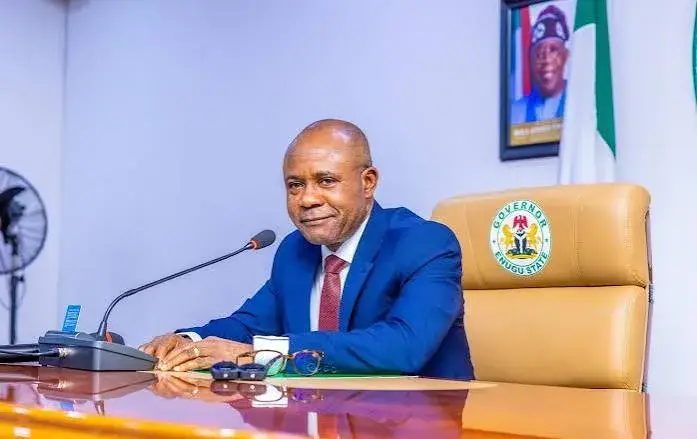
However, the proposal is not yet law. It must receive Governor Peter Mbah’s assent before it can take effect.
How the proposed 2% rent limit will work
Under the provisions reported after the Assembly’s deliberations, landlords would have to wait at least four years before reviewing rent.
Any subsequent increase would be limited to two per cent of the prevailing rent.
For example, a property currently rented at ₦1 million annually could attract an increase of no more than ₦20,000 under the ordinary rent review provision.
The bill also provides an exception for landlords who undertake substantial and verifiable renovations. In such cases, the permitted increase could reach 10 per cent.
The renovation provision is therefore higher than the general two per cent limit. However, the final wording will determine how the exception is assessed and enforced.
The bill is titled A Bill for a Law to Amend the Landlord and Tenant Second Amendment Bill, Cap. 101, Revised Laws of Enugu State 2024 (House Bill No. 3, 2025).
It passed its second reading on March 11, 2026, before undergoing a public hearing on March 26.
Lawmakers say amendment will protect tenants
The bill followed a review by a joint committee involving the House Committees on Housing and Investment, Public Petitions, Ethics and Privileges, and Judiciary.
The committee was chaired by Okey Mbah, who represents Nkanu East Constituency.
Presenting the report, Mbah said the proposed changes followed consultations with relevant stakeholders. He described the legislation as an intervention against arbitrary charges and exploitation by property owners and estate agents.
He also said the bill would reduce the financial burden residents face when trying to secure accommodation.
“This bill will subsidise over 60 per cent of what residents used to pay while trying to secure accommodation,” Mbah said.
The motion for consideration of the report was moved by Iloabuchi Abugu, representing Nkanu West, and seconded by Deputy Speaker Jane Eneh, who represents Awgu North.
Speaker Uche Ugwu described the passage as a milestone in the state’s governance agenda. He said the proposed law would address residents’ complaints about escalating rents.
Landlords question whether the rent cap is sustainable
While the proposed limits could offer tenants greater protection, they may also create concerns among property owners.
Landlords may argue that a fixed two per cent increase does not adequately reflect rising property maintenance costs, inflation, building material prices and other expenses associated with owning rental properties.
Some may also view the four-year restriction as too long, particularly where the cost of maintaining a property rises significantly within that period.
The proposed 10 per cent allowance for substantial renovations offers some flexibility. However, questions may arise over what qualifies as a major renovation, how the work will be verified and who will determine whether a landlord is eligible for the higher increase.
The challenge for lawmakers will be to strike a balance between protecting tenants from excessive rent increases and ensuring that property owners can maintain their investments without facing unreasonable restrictions.
Governor Mbah’s assent remains the next step
The passage marks a major stage in Enugu’s effort to reform its landlord and tenant regulations.
The process has also involved a separate executive bill announced by the state government in October. That proposal was presented as part of a wider effort to address excessive tenancy charges and improve transparency in the property market.
Earlier legislative proposals had also targeted agency and legal fees, caution fees and the activities of property agents. However, the complete final text of the bill passed on Tuesday is needed to establish which of those provisions remain in the approved version.
Governor Mbah had previously pledged to sign the proposed tenancy reforms after their passage by the Assembly.
His assent is now required before the amendment can become law. The commencement date and detailed enforcement arrangements will also need to be established.
For tenants and landlords across Enugu State, the practical impact will depend on the final law, its implementation and the ability of the relevant authorities to enforce its provisions.