
Crude Falls, Petrol Rises: Dangote Pushes Price to ₦1,200
Dangote Refinery has increased its petrol gantry price for the second time in five days, even as international crude prices have fallen sharply.
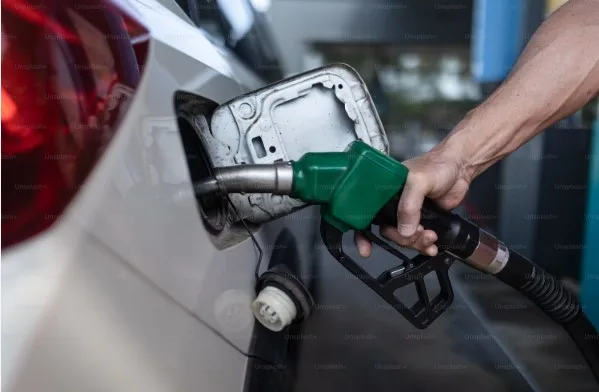
Dangote Petroleum Refinery has raised the price of petrol to ₦1,200 per litre, adding another ₦15 to its previous gantry price despite a recent decline in international crude oil prices.
The new price took effect on Wednesday, August 26, according to a commercial notice issued by the refinery to customers. The adjustment moves the gantry price from ₦1,185 to ₦1,200 per litre, while the coastal price has risen from ₦1,562,265 to ₦1,582,380 per metric tonne.
The latest increase comes barely five days after Dangote raised petrol from ₦1,165 to ₦1,185 per litre. Taken together, the two adjustments have added ₦35 per litre to the refinery's gantry price in less than a week.
The timing has attracted particular attention because crude prices have moved in the opposite direction. Brent crude, which was trading at about $93.48 a barrel when the previous Dangote increase was announced on August 20, had fallen to around $88.43-$88.48 by August 25. Reuters reported that Brent fell by $3.74 on Tuesday alone amid market reaction to new US sanctions on Iran.
That does not necessarily mean a fall in crude should immediately translate into cheaper petrol at the pump. Refinery pricing also reflects the cost of crude acquisition, exchange rates, logistics, refining and distribution, as well as the timing of purchases and existing inventories. Dangote has previously said that securing sufficient crude at competitive prices remains a challenge.
That supply issue remains particularly relevant. Reuters reported on Wednesday that roughly 30 to 40 per cent of Dangote Refinery's crude intake is imported, with the refinery having to source some barrels from countries including the United States and Guyana. The company has argued that domestic crude can sometimes be more expensive than imported alternatives because Nigerian crude is priced against international benchmarks that can include freight and logistics costs.
The refinery's crude supply situation has been the subject of government intervention. The Nigerian Upstream Petroleum Regulatory Commission said recently that domestic crude deliveries to local refiners reached 97.4 per cent performance in the second quarter, with 53.7 million barrels supplied between April and June. Dangote was offered 68.1 million barrels during the period and accepted 52.6 million barrels.
NUPRC is also exploring a domestic crude-oil swap arrangement intended to reduce transportation and other costs while improving the availability of locally produced crude to refineries. The regulator acknowledged that crude imports remain necessary despite improvements in domestic supply.
For motorists, however, the immediate concern is what happens at filling stations. The refinery instructed customers to return existing Authorisation to Collect (ATC) documents for repricing before new volume contracts are issued, a move that will allow loading to resume under the new commercial terms.
The effect is already visible in parts of the downstream market. Petrol at some depots was trading around ₦1,195-₦1,197 per litre before the latest adjustment, while some filling stations had already increased pump prices following the earlier ₦1,185 refinery price. Retail prices vary by location because transport, storage, margins and other downstream costs are added along the supply chain.
The development also highlights the complicated position Dangote Refinery occupies in Nigeria's fuel market. The facility has dramatically increased domestic refining capacity and helped drive a seven-fold rise in Nigeria's seaborne petroleum-product exports since 2023, according to the US Energy Information Administration cited by Reuters.
At the same time, its pricing decisions have become increasingly important to Nigerian consumers because the refinery is now a major supplier to the domestic market. The combination of limited local crude availability, imported feedstock and exchange-rate exposure means that domestic petrol prices remain connected to international energy markets even though the fuel is being refined inside Nigeria.
The latest increase therefore raises a question that goes beyond the ₦15 added to a litre of petrol: when global crude prices fall, how quickly can Nigerian consumers realistically expect that relief to reach the pump? Until the country resolves the structural problems around crude supply, pricing, logistics and competition, cheaper oil abroad will not necessarily translate into cheaper fuel at home. Dangote's latest move is a reminder that having a major refinery on Nigerian soil does not, by itself, insulate motorists from the economics of the global oil market.
More on Business
Business
Dangote Refinery Strengthens Balance Sheet as Debt Falls to ₦7.9tn
10 Sept 2026

Business
Dangote Refinery Reinforces Global Energy Leadership as Europe's Top Jet Fuel Supplier
7 Aug 2026
Business
Dangote Refinery Signs ₦2.15tn IPO, Targets 10 Million Investors
8 Sept 2026

Business
Dangote Refinery Set for Historic Stock Market Debut at ₦525 Per Share
5 Sept 2026
Business
Dangote Transport Deploys Real-Time Driver Monitoring to Boost Road Safety.
21 Aug 2026
You may also like

Business
Investor Rush: BOI’s ₦250bn Bond Signals Fresh Confidence in Nigeria’s Market
17 Aug 2026
Business
UK Inflation Hits 3.1% as Stable Underlying Prices Ease Pressure on Bank of England
16 Sept 2026
Business
Ghana’s Economy Grows 6% in Q2 as Communications Sector Powers Recovery
10 Sept 2026

Business
Nigeria’s Biggest Banks Ease FX Pressure With Higher Naira Card Dollar Limits
7 Sept 2026

Business
MTN Channels N2.7trn Into Nigerian Suppliers as Local Procurement Hits 62%
31 Aug 2026

Business
Chery Joins Global Top 10 as Chinese Automaker Surpasses 20 Million Vehicle Sales
10 Aug 2026