Cambridge Professor Jason Arday Found Dead Days After Plagiarism Row Erupts
Jason Arday, who became Cambridge’s youngest Black professor at 37, resigned after facing intense scrutiny over plagiarism allegations and questions about claims concerning his athletic and fundraising achievements.
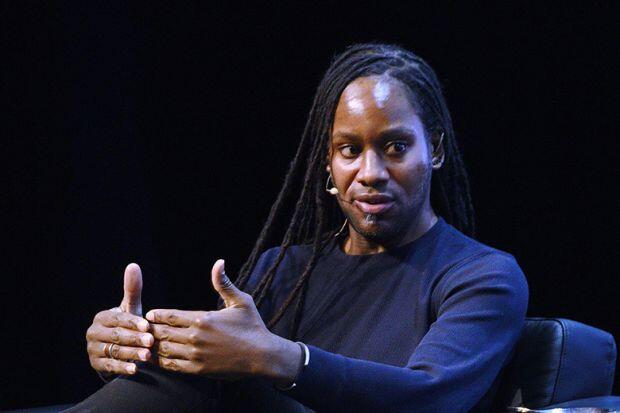
Ghanaian-British academic Jason Arday, who made history as the youngest Black professor appointed by the University of Cambridge, has been found dead in south London at the age of 41, just days after stepping down from his position amid a widening controversy over allegations concerning his academic work and professional history.
Arday was found unresponsive at a property in Battersea on Friday, August 14, and was pronounced dead at the scene after emergency services arrived. The Metropolitan Police said the death was unexpected but not being treated as suspicious, with officers continuing their investigation. His next of kin have been informed and are receiving support.
The news brings a sudden and tragic end to a career that had once been held up as an extraordinary example of academic achievement and social mobility.
Arday was appointed Professor of Sociology of Education at Cambridge in 2023, aged 37. The appointment attracted international attention because of his personal journey and his status as the university's youngest Black professor. Born in London to Ghanaian parents, he had built his academic reputation around research into race, education, inequality and social mobility.
His rise through higher education was particularly notable because of the challenges he had publicly described from childhood. Arday had spoken about being diagnosed with autism as a young child and about not being able to speak until he was 11 or read and write until he was 18. His later academic success became an important part of his public profile and his advocacy for greater inclusion in higher education.
But that success came under intense scrutiny in recent months.
Questions were first raised over allegations that portions of Arday's 2015 PhD thesis contained plagiarised material. Arday consistently denied plagiarism. Liverpool John Moores University, which awarded his doctorate, had previously investigated the allegations and did not uphold a plagiarism charge, concluding that the similarities were probably the result of what it described as “honest and reasonable error.”
The controversy later widened beyond the thesis.
Questions emerged about other academic publications, claims relating to his professional appointments and aspects of his personal history. Cambridge announced earlier this month that it would investigate new information concerning Arday's academic qualifications and honorary appointments, while separate complaints relating to alleged academic misconduct remained ongoing.
Arday resigned from Cambridge on August 5, saying that the relentless scrutiny and public commentary had taken a profound toll on him and his family. He maintained that his resignation was not an acceptance of the allegations surrounding him, but a decision to step away from what he described as an unbearable level of public examination.
His death has now brought a deeply uncomfortable dimension to the controversy.
Arday's family said they were “in shock” and accused what they described as a campaign of misinformation and harassment of having placed enormous pressure on him. They asked the media to leave the family alone and stop what they called a prolonged campaign against him.
Those claims have not been established as the cause of his death.
Police have not linked his death to the Cambridge controversy and have said there is currently no indication that it was suspicious. That distinction is particularly important as tributes and competing interpretations of Arday's final weeks emerge.
The reaction from Britain's education and political establishment has nevertheless been one of shock.
Cambridge Vice-Chancellor Deborah Prentice expressed sympathy to Arday's family and friends, while Britain's Education Secretary Lucy Powell also said she was saddened by his death. Former Cambridge colleagues and other academics have paid tribute to his work with students and his contribution to debates around race and inequality in higher education.
The timing of his death has also prompted wider discussion about how universities and the media handle allegations involving academics.
Arday's case sits at the intersection of several sensitive issues: academic integrity, institutional due diligence, race and representation in elite universities, freedom of criticism and the increasingly intense nature of online scrutiny.
There is a legitimate responsibility for universities to verify academic credentials and investigate credible allegations of misconduct. At the same time, allegations are not the same as findings, and the process of establishing what happened can be particularly difficult when public commentary moves faster than formal investigations.
That tension became increasingly visible in Arday's case. Cambridge had initially defended him, but later announced its own investigation after receiving what it described as new information. By the time of his resignation, the university was still conducting inquiries into aspects of his appointment and academic record.
His death means some of those questions will now be considered in a very different context.
For students and academics who knew Arday, however, the story is not simply about a plagiarism controversy. It is the story of a man who reached one of Britain's most prestigious universities, became a prominent voice on inequality in education and then found himself at the centre of an extraordinary public storm.
The circumstances of his death remain under investigation, and the questions surrounding his academic career should not be settled by speculation.
What is already clear is that Arday's death has left Britain's education sector confronting difficult questions about accountability, institutional responsibility, public scrutiny and the human cost of reputational battles.
A career once celebrated as a symbol of possibility ended amid controversy. Now, as the investigations and arguments surrounding his academic record give way to mourning, the most important task may be to separate what is established from what remains disputed, and to remember the person at the centre of a story that became much bigger than one professor.
More on Education
Education
Mbah Calls for National Emergency in Education, Unveils New Enugu Education Policy
8 Oct 2026
Education
From France to Belgium: Students Take to Streets Over Education Costs and School Conditions
8 Oct 2026
Education
5,000 Arrested, Hundreds of Schools Closed as France's Student Protests Grow
5 Oct 2026

Education
Enugu Recruits 2,299 Teachers to Drive Smart Green Schools Initiative
21 Sept 2026
Education
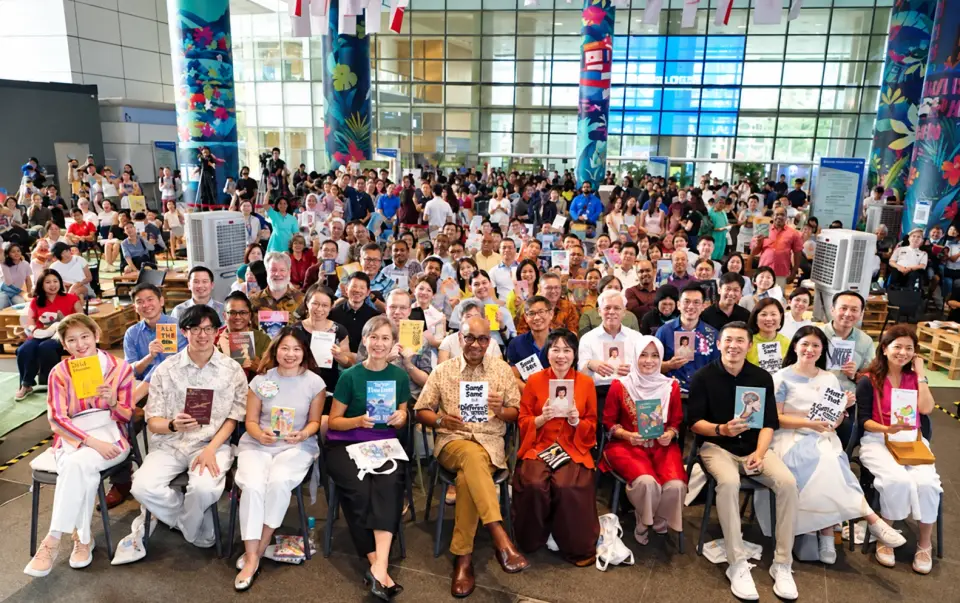
Read More, Earn More? Singapore’s Bold Idea Catches Global Attention
15 Sept 2026
You may also like
Education
150 University Academic Projects to Receive ₦20 Million Grooming Centre Research Grant
13 Sept 2026

Education
Nigeria Launches Free Daily Data Scheme for Five Million Students
11 Sept 2026
Education
Nigerian-Born Yale Scholar Begins Landmark Fulbright Residency at UNILAG
6 Sept 2026
Education
7UP Unveils 16th Harvard MBA Scholar, Reaffirming Commitment to Nigerian Leadership
2 Sept 2026
Education
Dangote Pledges ₦600m LASU Girls’ Hostel, Offers Jobs to First-Class Graduates
22 Aug 2026
Education
Germany's Rising Appeal: Five Reasons African Students Are Choosing Europe's Academic Powerhouse
4 Aug 2026