
World’s Youngest Reigning Traditional Monarch Dies at 34
King Oyo Nyimba of Uganda’s Tooro Kingdom, who became the world’s youngest reigning monarch after taking the throne at three, has died aged 34.
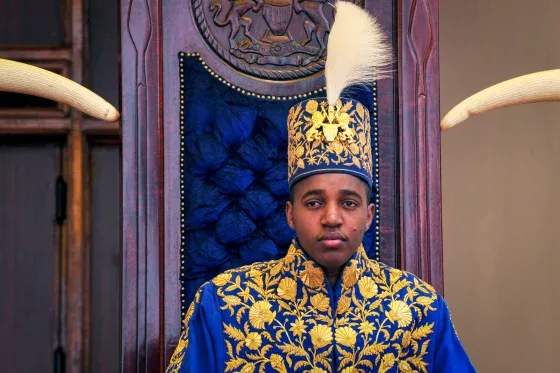
King Oyo Nyimba Kabamba Iguru Rukidi IV, the traditional ruler of Uganda’s Tooro Kingdom who became a global figure after ascending the throne as a three-year-old, has died at the age of 34.
The Tooro Kingdom announced his death on Thursday night, with Prime Minister Calvin Armstrong Rwomiire Akiiki saying the king died at about 10 p.m. The announcement described his death as an “immeasurable loss” to the royal family, the people of Tooro and Uganda.
Oyo became king in 1995 following the death of his father, King Patrick Matthew Kaboyo Olimi III. His accession at the age of three made him the world's youngest reigning monarch, a distinction later recognized by Guinness World Records. Because of his age, the affairs of the kingdom were initially managed by regents until he reached adulthood.
He was formally crowned in April 2010, shortly after his 18th birthday, in a ceremony attended by President Yoweri Museveni. By then, the boy king who had attracted international attention had become an adult traditional ruler preparing to define his own role within the Tooro Kingdom.
The cause of death has not been officially disclosed. The kingdom said the king had been receiving medical treatment in the United States, while reports from Ugandan media and other outlets said he had been critically ill. Some reports have linked his illness to cancer, but that has not been confirmed by the Tooro Kingdom and should therefore be treated as unverified.
The death has prompted an outpouring of grief in Uganda, particularly among the Batooro, for whom Oyo served as an important cultural figure. Uganda's Catholic bishops also expressed condolences, describing his death as a major loss and offering solidarity to the royal family and the Tooro community.
Although Uganda is a republic with an elected president and parliament, traditional kingdoms continue to play an influential cultural and social role. Their political authority is limited, but they remain important institutions for preserving history, customs and community identity. Tooro is one of several such kingdoms recognised within Uganda's constitutional framework.
During his adult reign, Oyo sought to use the visibility of the monarchy to promote issues including youth development, education, environmental conservation and public health. His public profile also helped connect the traditional institution with younger Ugandans, while his international recognition brought attention to Tooro beyond the country's borders.
The circumstances of his succession are already being addressed by the kingdom. The prime minister said the continuity of the Tooro Crown is assured and confirmed that Oyo leaves behind a son who is an heir. The identity of the prince and details of the succession process are expected to be announced in accordance with Tooro traditions.
Oyo's story was unusual from the beginning. He inherited a centuries-old institution as a toddler, grew up under intense public attention and eventually took personal responsibility for a traditional kingdom whose influence extends across western Uganda. His death at 34 closes a remarkable chapter that began with a three-year-old becoming a king and ended with a young monarch who had spent most of his life carrying the expectations of an entire cultural community.
The broader significance of Oyo's death goes beyond the unusual circumstances of his accession. His three-decade reign reflected the continuing place of traditional institutions in modern African societies, where constitutional governments coexist with royal and customary authorities that remain deeply connected to community identity. For Tooro, the immediate task is to mourn a king who became a symbol of its heritage while ensuring a smooth succession; for Uganda, his passing marks the end of one of the continent's most recognizable modern royal stories.
More on Trending

Trending
Jazz legend Cassandra Wilson dies peacefully at 70, family confirms
3 Sept 2026
Trending
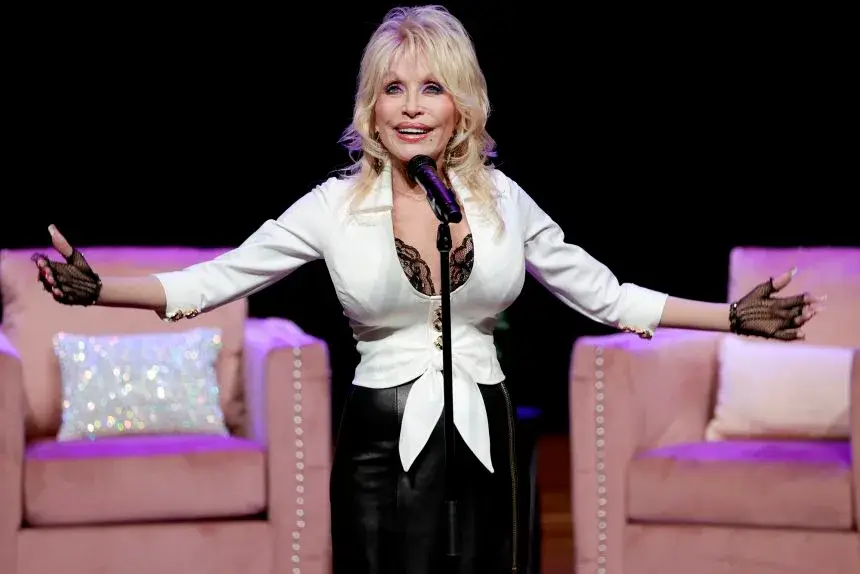
Dolly Parton, Country Music Legend, Dies at 80 After Brief Battle With Cancer
26 Aug 2026
Trending
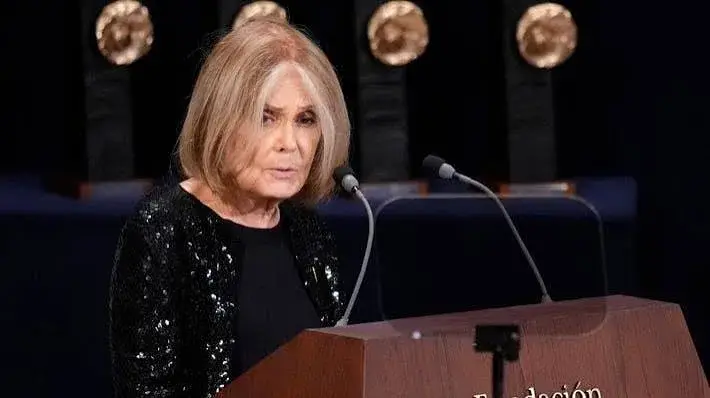
Feminist Icon Gloria Steinem Dies at 92
4 Sept 2026

Trending
Harry and Meghan Back in UK Spotlight With Visits to Youth and Food Charities
15 Oct 2026

Trending
UK Coroner Links Nigerian Influencer’s Death to Cosmetic Procedure in Thailand
6 Sept 2026
Partner with Follow Global Trends
Display banners, sponsored stories and founder spotlights.
You may also like

Trending
Seven Dead, 23 Missing After Ferry Carrying 267 Capsizes Off Cyprus
30 Aug 2026

Trending
Royal Caribbean Passenger Rescued After 20 Hours at Sea
15 Oct 2026

Trending
Nicki Minaj Follows Peter Obi on X After Amplifying His Niger State Security Message
19 Sept 2026

Trending
Lady Gaga Welcomes First Child With Fiancé Michael Polansky
12 Sept 2026
Trending
President Trump Claims ‘The Moon Is Ours,’ Igniting Global Space Debate
7 Sept 2026

Trending
Missing Nigerian Woman Saratu Jibo Found Safe in Doha After Airport Scare
7 Sept 2026