
Dolly Parton, Country Music Legend, Dies at 80 After Brief Battle With Cancer
Dolly Parton, the Tennessee-born singer, songwriter, actress and philanthropist who became one of America’s most recognisable cultural figures, has died at 80.
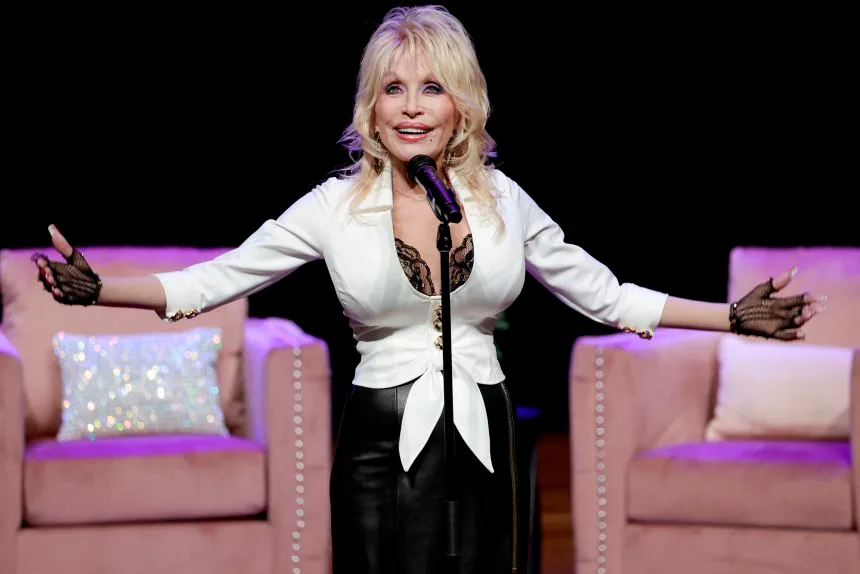
Dolly Parton, the country music superstar whose songs, films, business ventures and philanthropy made her a global cultural icon, has died at the age of 80.
Parton died on Tuesday, August 25, in Nashville, her family announced through her nephew Bryan Seaver. Her publicist later confirmed that she had been undergoing a brief battle with cancer and died at Vanderbilt-Ingram Cancer Center surrounded by loved ones. The type of cancer was not disclosed.
The announcement came only days after Parton had spoken publicly about her health. In a statement released through PEOPLE on August 21, she said she had been dealing with health problems that she had initially put aside while caring for her husband, Carl Dean, who died in March 2025 after nearly six decades of marriage. She insisted at the time that she was still working and had projects she wanted to complete.
Her final months had already prompted concern among fans. Parton had postponed appearances and cancelled a scheduled appearance at Dollywood earlier this month, explaining in a video message that she had been experiencing health difficulties and had been advised by her doctor not to travel. Her last major public appearance came in June at the opening of Dolly's Tennessean Travel Stop in Tennessee.
Parton's death closes a career that stretched across seven decades and repeatedly pushed beyond the boundaries of country music. Born into a large, poor family in rural Tennessee in 1946, she began singing and writing songs as a child before moving to Nashville after high school. She established herself first as a songwriter and performer, eventually becoming one of the most successful women in country music history.
Her catalogue included songs that became part of the international musical vocabulary, among them “Jolene,” “9 to 5” and “I Will Always Love You.” The latter became an even larger global hit when Whitney Houston recorded it for The Bodyguard soundtrack in 1992, turning Parton's songwriting into a defining moment in pop music as well as country.
Parton also built a successful film career, making her major-screen debut in 9 to 5 alongside Jane Fonda and Lily Tomlin. She later appeared in The Best Little Whorehouse in Texas and Steel Magnolias, while her music continued to cross into mainstream pop and other genres. Her 2023 album Rockstar, a collection of rock covers featuring numerous high-profile collaborators, became the highest-charting solo album of her career.
But Parton's influence extended well beyond entertainment. Through the Dollywood Foundation, she established the Imagination Library, which has distributed hundreds of millions of free books to children in several countries. She also donated $1 million toward research that helped support development of the Moderna COVID-19 vaccine.
Her achievements were reflected in an unusually broad collection of honours. Parton won multiple Grammy Awards and was inducted into the Country Music Hall of Fame, Rock & Roll Hall of Fame and Songwriters Hall of Fame. She also received the National Medal of Arts and an honorary Academy Award, cementing a rare crossover status that allowed her to remain unmistakably rooted in country music while becoming a star far beyond it.
Tributes began pouring in almost immediately. Taylor Swift described Parton as possessing “true grace and true grit”, while Beyoncé, Paul McCartney, Jane Fonda, Lily Tomlin, Reba McEntire and numerous other artists and public figures reflected on her music, generosity and influence. President Donald Trump also paid tribute and announced that American flags would be lowered for a week in her honour.
Parton's family has said a small private funeral will be held for immediate relatives, with fans encouraged to honour her through messages and support for the Imagination Library rather than a large public ceremony.
Dolly Parton's importance is difficult to measure simply by record sales or awards. She turned a childhood shaped by poverty into songs that travelled across generations, built businesses without abandoning her roots and used extraordinary success to fund opportunities for people she would never meet. Her death leaves country music without one of its defining voices, but her larger legacy reaches far beyond Nashville: Parton showed that celebrity could be both enormously successful and deeply human, and that a cultural icon could build an empire while still making generosity part of the story.
More on Trending
Trending
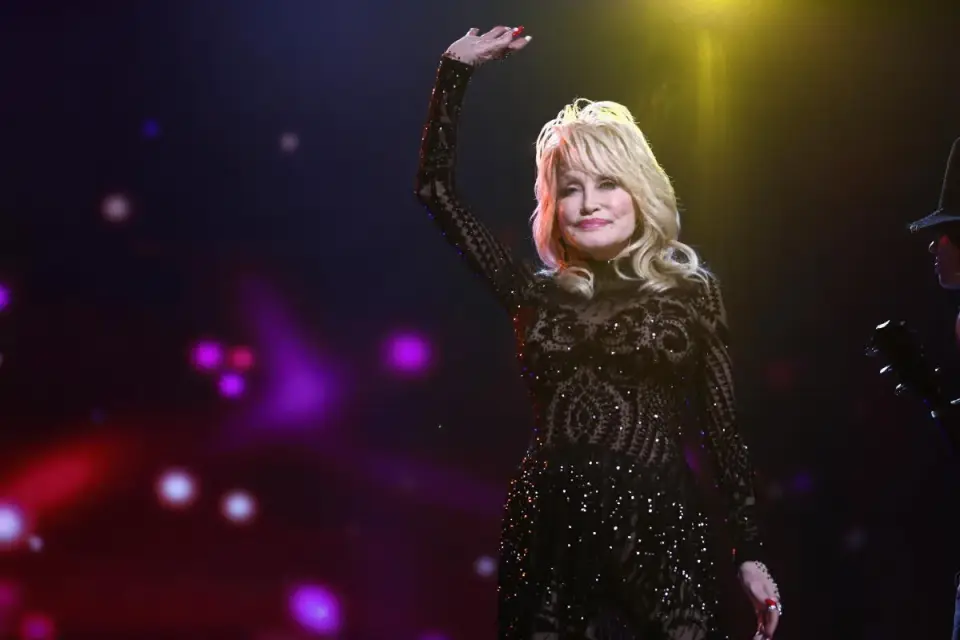
Dolly Parton Laid to Rest in Nashville as Family Honors Country Music Icon
1 Sept 2026
Trending
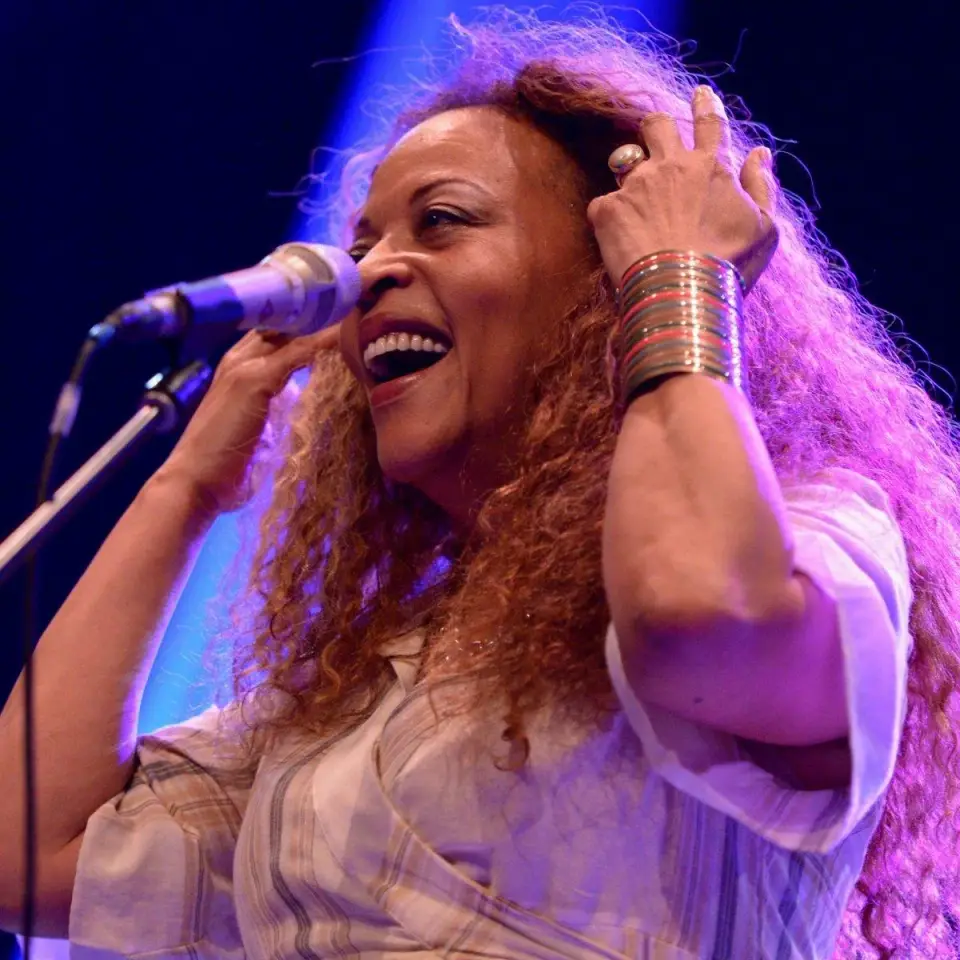
Jazz legend Cassandra Wilson dies peacefully at 70, family confirms
3 Sept 2026
Trending
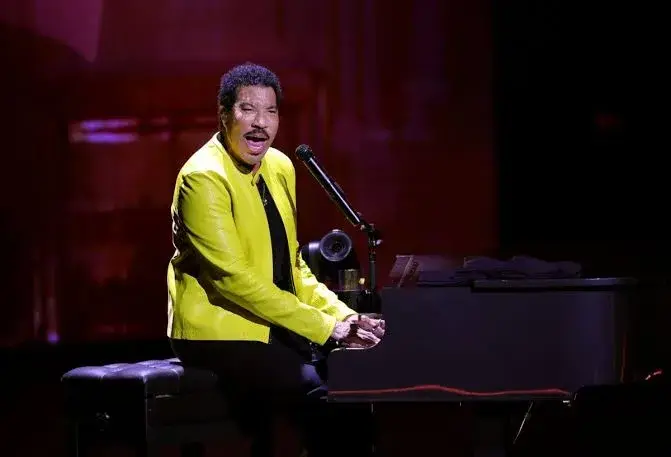
Lionel Richie Under Medical Care Following Onstage Health Scare in St. Louis
31 Aug 2026
Trending
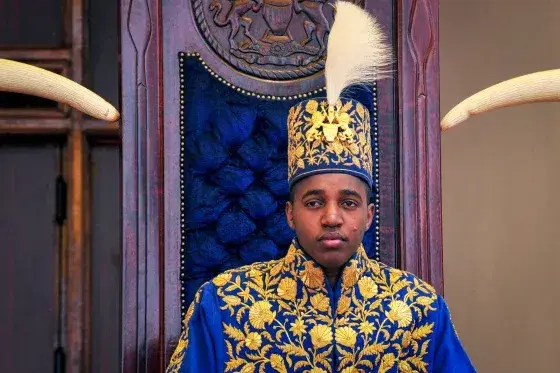
World’s Youngest Reigning Traditional Monarch Dies at 34
29 Aug 2026
Trending
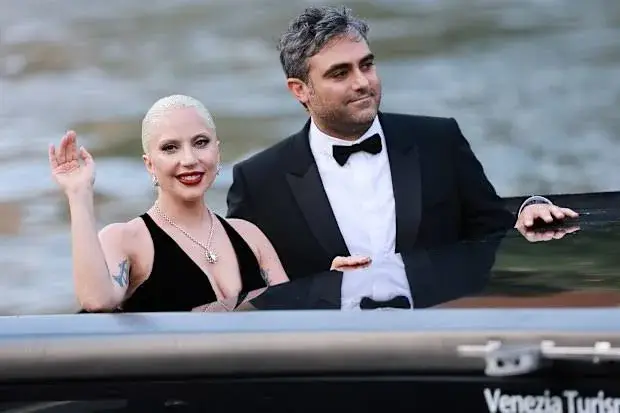
Lady Gaga Welcomes First Child With Fiancé Michael Polansky
12 Sept 2026
Partner with Follow Global Trends
Display banners, sponsored stories and founder spotlights.
You may also like
Trending
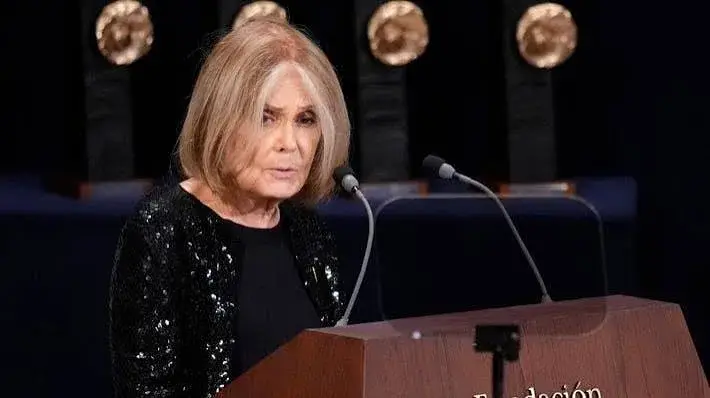
Feminist Icon Gloria Steinem Dies at 92
4 Sept 2026
Trending
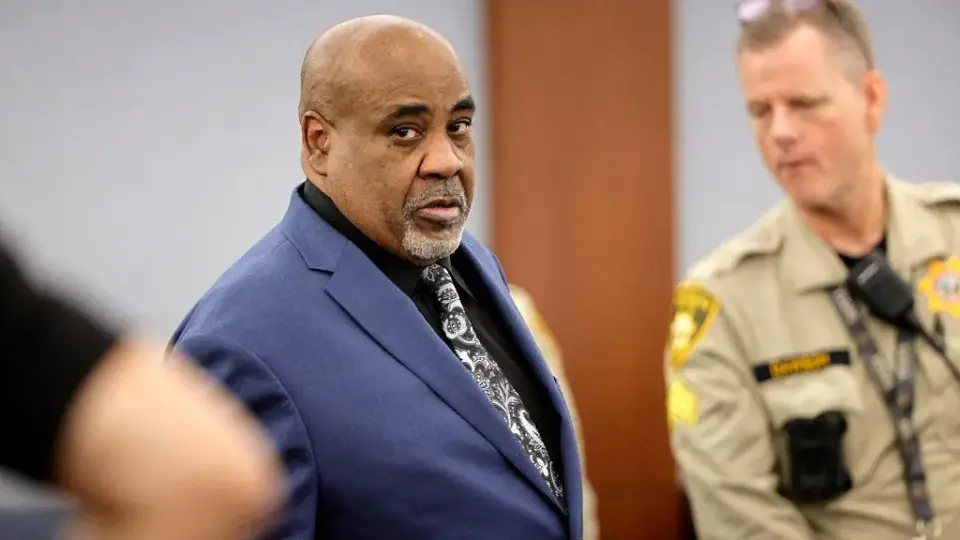
Jury Finds Duane ‘Keffe D’ Davis Guilty in Tupac Shakur Murder Case
1 Sept 2026
Trending
Nicki Minaj Follows Peter Obi on X After Amplifying His Niger State Security Message
19 Sept 2026
Trending
UK Coroner Links Nigerian Influencer’s Death to Cosmetic Procedure in Thailand
6 Sept 2026

Trending
Seven Dead, 23 Missing After Ferry Carrying 267 Capsizes Off Cyprus
30 Aug 2026
Trending
Royal Caribbean Passenger Rescued After 20 Hours at Sea
15 Oct 2026