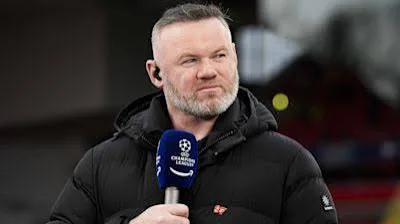
Rooney explained that his struggles developed while he was enjoying major success at Manchester United.
He was newly married to Coleen and had recently become a father. Their eldest son, Kai, was still young during this difficult period.
Despite his achievements, Rooney said he struggled to manage life away from football. He sometimes locked himself inside his home for two days, drinking and avoiding other people.
He described reaching a point where he contemplated taking his own life.
“I got to a place where you’re contemplating suicide,” he told presenter Gabby Logan.
Rooney said he avoided public places and did not want to see anyone. He felt comfortable playing football but struggled with almost everything outside it.
His account highlights the difference between public success and private suffering. Even people who appear to have everything can experience serious emotional distress.
Alcohol, Isolation and the Pressure to Hide His Feelings
Rooney also discussed how alcohol became part of his response to personal difficulties.
He described drinking for extended periods at home before returning to training. He maintained that he remained comfortable on the football pitch, even while struggling away from it.
He also admitted that he found it difficult to acknowledge his condition.
Rooney said he feared appearing weak. He explained that he sometimes felt admitting his struggles made him feel less of a man.
That attitude delayed his willingness to speak openly about what was happening.
He eventually spoke with a therapist to understand his behaviour and mental health. His comments also highlight the pressure some professional athletes feel to appear strong, regardless of their personal circumstances.
Rooney did not disclose a specific medical diagnosis during the interview. His account should therefore not be presented as confirmation of any particular mental health condition.
Coleen Rooney Helped Him Through His Lowest Period
Rooney credited his wife, Coleen, with playing a major role in helping him recover.
He said his behaviour placed serious pressure on their marriage. He also acknowledged that Coleen could have walked away during that difficult period.
Instead, she remained supportive and helped him through it.
He also explained that he sometimes isolated himself because he did not want their young son, Kai, seeing him in that condition.
His comments offer a personal account of how mental health struggles can affect family relationships. They also show the importance of support from loved ones and professional help.
The interview's wider discussion covered fatherhood, marriage, alcohol and Rooney's life after professional football. The episode was released on November 17, 2026, through Life at the Midpoint with Gabby Logan.
Rooney's Revelation Opens a Wider Conversation About Football and Mental Health
Rooney's experience raises questions about the pressure professional footballers face away from matches.
Footballers operate in a demanding environment involving public attention, performance expectations and constant scrutiny. Players may also feel pressure to hide personal difficulties to protect their careers and public image.
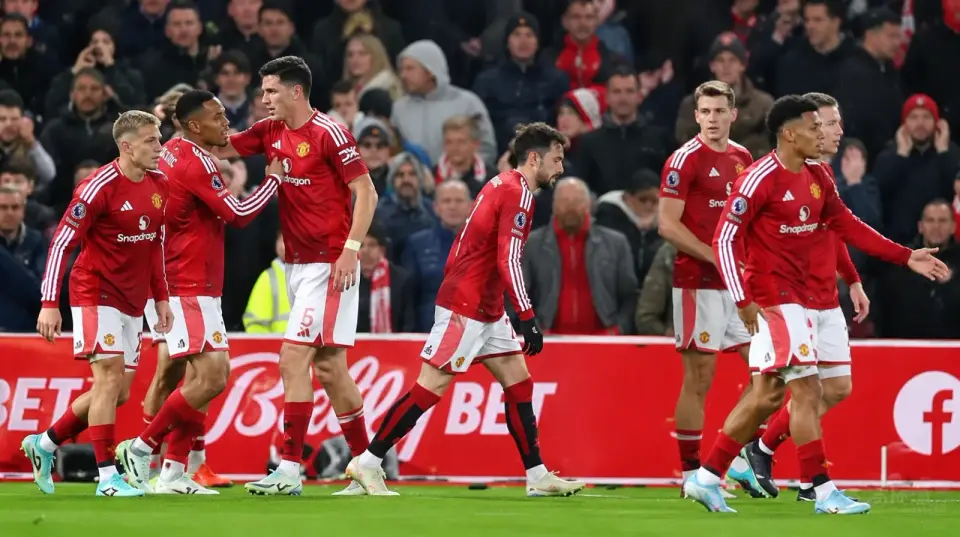
Rooney's account is particularly significant because he was one of Manchester United's most successful players. He scored 253 goals in 559 appearances for the club, becoming its all-time leading goalscorer.
His achievements did not protect him from personal struggles.
The former England captain has since retired from professional football and worked as a manager and television pundit. In the podcast interview, he also discussed changes to his lifestyle, including giving up alcohol.
His decision to speak publicly may encourage others facing similar difficulties to seek support rather than suffer silently.
Anyone experiencing suicidal thoughts or severe emotional distress should reach out to a trusted person, qualified mental health professional or local crisis service. If there is immediate danger, contact local emergency services.
Rooney's central message is a reminder that personal struggles can remain hidden behind public success. His willingness to discuss them has brought attention to an issue that often receives too little open conversation in professional sport.