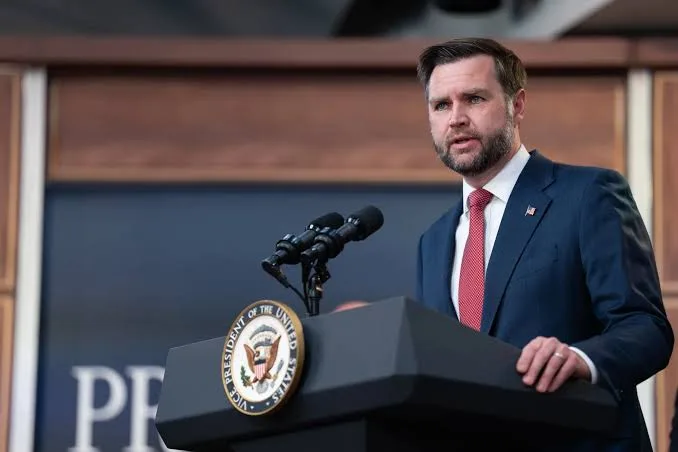
Vice President JD Vance blamed the Iran war for the Republican Party's widespread defeats in the midterm elections, insisting the administration must candidly acknowledge public opposition to foreign entanglements.
In his first comprehensive public remarks since ballot counting confirmed that Democrats captured majorities in both the House of Representatives and the Senate, the vice president rejected alternative explanations for the outcome. Instead, he argued that core conservative voters broke ranks over military expenditures and rising domestic prices.
His public assessment opens an unprecedented internal debate over the diplomatic and political cost of the administration's foreign policy.
Confronting the Cost of Foreign Military Action
Addressing party leaders and grassroots supporters directly in a lengthy statement, the vice president refused to soften the scale of Tuesday's electoral rout.
He underscored that the conflict directly cost Republicans their congressional majority, setting back party legislative ambitions for years to come. He challenged colleagues who defend the campaign to honestly justify whether territorial and military goals were worth relinquishing federal power in Washington.
"The reason we lost is the war," the vice president declared. "The president himself said so last night. If you'd like to argue it was worth it, that losing the Senate for the next six years was worth it, then do so. Argue it was a worthwhile cost to pay. Agree or disagree, that's at least honest. But everyone knows why we lost. And any honest conversation about where we go from here must start there."
The remarks established a decisive break from typical party messaging following major electoral defeats, directly tying overseas defense maneuvers to domestic voter discontent.
Four Catalysts Behind the Electoral Realignment
Drawing on post-election voter surveys, the vice president highlighted four distinct factors that convinced traditional administration loyalists to cast ballots for opposition candidates.
According to the data he reviewed, voters who supported the conservative ticket in previous cycles shifted their allegiance specifically to force an immediate end to military operations in the region. Others cited surging household fuel prices and broad inflationary pressures exacerbated by disruptions to international shipping and energy corridors.
The remaining decisive priorities centered on preserving an uncompromising domestic focus and overhauling existing bilateral commitments across the Middle East.
Conservative turnouts remained substantial across competitive suburban and rural precincts, but voter motivations changed fundamentally. Rather than endorsing extended military campaigns, large swathes of the electorate used their ballots to register dissatisfaction with prolonged overseas conflict.
Deepening Fractures Across the Administration
The blunt public post-mortem highlights intensifying friction within executive leadership over how to handle the lingering military engagement.
While the president maintained that defense actions taken abroad were justified and necessary, he also conceded in interviews that public weariness over regional conflict factored into several close congressional defeats.
The vice president had spent months earlier in the year heading high-level diplomatic channels aimed at securing a workable ceasefire and preventing regional escalation, though sustained stability proved elusive. His latest intervention reinforces calls from non-interventionist factions who advocate for a prompt negotiated resolution over indefinite military presence.
With Congress preparing to transfer oversight power to the opposition, legislative inquiries into war authorizations and military expenditures are scheduled to begin immediately upon the seating of the new legislative session.